If you've ever tried reading with toddlers, you know the reality can look very different from the cozy picture-book scenes you imagined. Your 18-month-old might be more interested in chewing the corner of the book than listening to the story. Your two-year-old might demand the same book seventeen times in a row—or refuse to sit still for more than thirty seconds. Here's the truth: this is all completely normal, and you're doing better than you think. Reading to toddlers doesn't require perfection—it just requires showing up, one story at a time.
Why Reading to Toddlers Matters (Even When They're Wiggling)
Before we dive into the how, let's talk about the why—because on those days when your toddler is using the book as a hat instead of listening, you'll need the reminder that it still matters.
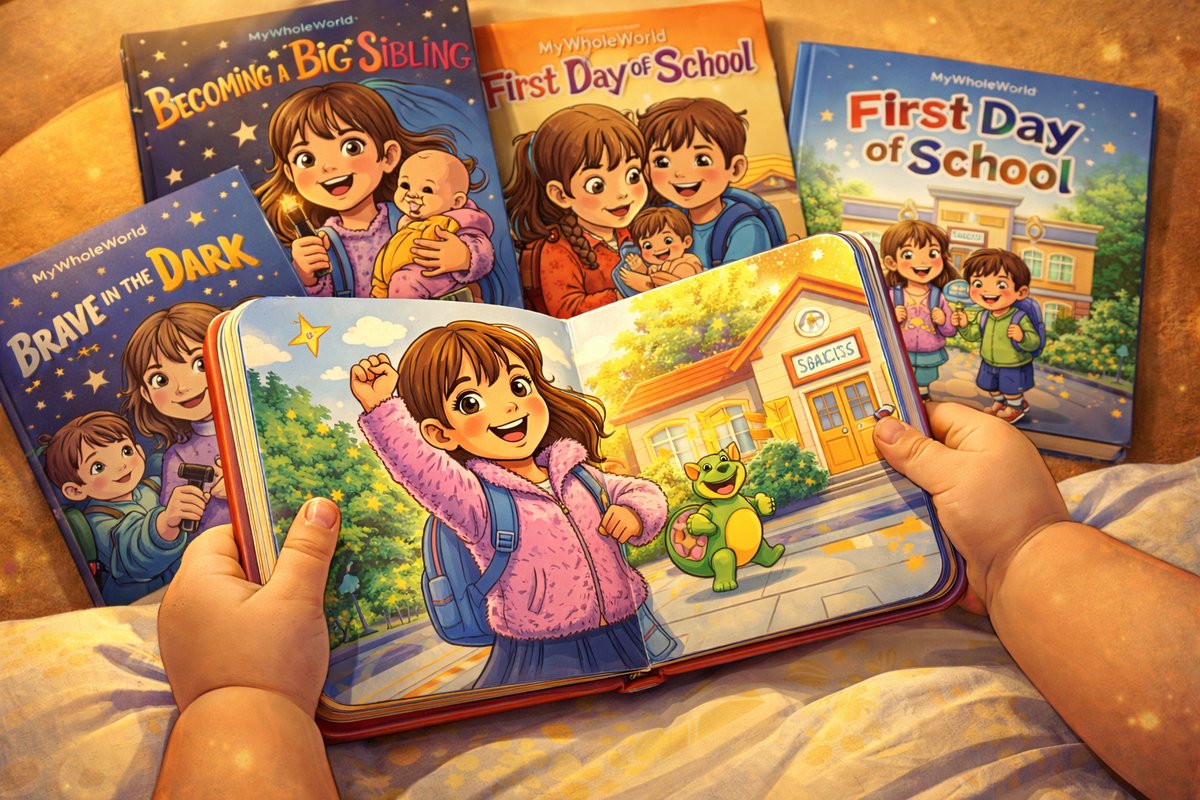
The toddler years (roughly ages 1-3) are a critical window for language development. Every word your child hears builds their vocabulary, even if they're not sitting perfectly still. Research shows that children who are read to regularly during these early years enter kindergarten with larger vocabularies, better listening skills, and stronger pre-literacy foundations. But beyond the academic benefits, reading for toddlers creates something even more valuable: positive associations with books that can last a lifetime.
When you read together—even for just five minutes—you're teaching your toddler that books are sources of comfort, connection, and joy. You're showing them that their interests matter (yes, even if that interest is currently limited to construction vehicles). And you're creating a daily ritual that says: "This time is ours. You matter. Your whole world matters."
Choosing the Right Books for Toddler Reading
Not all books are created equal when it comes to toddlers reading books. At this age, the format matters almost as much as the content.
Board Books Are Your Best Friend
Invest in sturdy board books with thick pages that can withstand enthusiastic page-turning, occasional chewing, and the inevitable bath-time "accident." Look for books with:
- Simple, clear illustrations with minimal clutter on each page—toddlers can get overwhelmed by too much visual information
- Repetitive text or predictable patterns that help toddlers anticipate what comes next ("Brown Bear, Brown Bear" is a classic for good reason)
- Interactive elements like lift-the-flap features, textures to touch, or simple questions to answer
- Relatable topics from your toddler's daily life—bedtime, meals, animals, vehicles, emotions
Follow Their Interests (No Matter How Specific)
If your toddler is obsessed with garbage trucks, lean into it. Read every garbage truck book you can find. The goal isn't to broaden their horizons just yet—it's to build positive associations with reading. When books reflect what they already love, toddlers are more likely to engage. And when you create a personalized book that features your child alongside their current obsession (whether that's dinosaurs, trains, or their beloved stuffed elephant), you're showing them that books can be about their whole world.
Tips for Reading with Toddlers Who Won't Sit Still
Here's what nobody tells you: toddler reading doesn't have to happen sitting perfectly still on the couch. In fact, it probably won't.
Embrace Movement and Interaction
Some of the best tips for reading with toddlers involve letting go of what you think reading "should" look like:
- Let them stand, wiggle, or even walk around while you read. As long as they're listening (and they often are, even when it doesn't look like it), it counts.
- Make it interactive. Point to pictures and ask simple questions: "Where's the cat?" "What color is the ball?" "Can you make a dog sound?"
- Use different voices for different characters. Toddlers love the drama, and it helps them distinguish between speakers in the story.
- Let them turn the pages—even if they turn three at once or want to go backwards. They're practicing fine motor skills and feeling in control.
- Pause to let them fill in familiar words in books you've read before. This builds confidence and engagement.
When Attention Spans Are Extra Short
Some days, your toddler will sit through three books. Other days, you'll get through three pages. Both are okay. Try these strategies:
- Start with just one book and celebrate that as success
- Read the same book multiple times if that's what they want—repetition is how toddlers learn
- Narrate the pictures instead of reading every word if they're getting restless
- Take a break and try again later—there's no rule that says reading time only happens once a day
- Keep books accessible throughout the house so your toddler can "read" independently (which often means looking at pictures and telling their own version of the story)
Your child could be the star of their own story
Personalized books with their name, their face, and the people they love. Preview it free — no payment needed.
Start a Free PreviewBuilding a Daily Reading Routine That Actually Sticks
The secret to making reading with toddlers a lasting habit isn't elaborate planning—it's consistency and connection.
Anchor Reading to Existing Routines
Rather than trying to carve out a separate "reading time," attach books to routines you're already doing:
- Before nap time: Two books as part of the wind-down routine
- After breakfast: One book while you finish your coffee
- Before bed: The classic bedtime story (which also helps signal that sleep is coming)
- While waiting: Keep a few board books in your diaper bag for doctor's offices, restaurants, or anywhere you might need a distraction
The key is making it predictable. When reading happens at roughly the same time each day, it becomes an expected part of your toddler's world—something they can count on.
Create a Cozy Reading Space
You don't need an elaborate reading nook, but having a designated spot can help. This might be:
- A corner of their room with a small bookshelf and cushions
- A specific chair where you always read together
- A basket of books next to the couch
- Even just a special blanket you spread out for story time
The goal is to create a positive association: "This is our reading spot. This is where we slow down and connect."
Make It About Connection, Not Completion
The most important tip for reading with toddlers is this: it's not about finishing the book. It's about the time together. Some of the best reading sessions involve:
- Talking about the pictures more than reading the words
- Your toddler telling you their version of the story
- Connecting the book to your child's life ("Look, the bear is eating breakfast, just like you!")
- Answering seventeen questions about one illustration
- Reading the same page three times because they asked you to
These "detours" aren't interruptions—they're your toddler actively engaging with the story and making it their own.
When to Worry (and When Not To)
Parents often worry: "My toddler won't sit still for books. Is something wrong?" In most cases, the answer is no. Toddlers are wired to move, explore, and have short attention spans. That's developmentally appropriate.
However, if by age two your child shows no interest in books whatsoever, doesn't look at pictures when you point to them, or seems unable to focus on anything for even brief periods, it's worth mentioning to your pediatrician—not because something is necessarily wrong, but because early intervention for any developmental concerns is always beneficial.
For most toddlers, though, the "problem" is simply that they're being toddlers. Keep offering books without pressure, and trust that you're planting seeds that will grow.
The Magic of Personalization
One of the most powerful ways to engage reluctant or distractible toddlers is through personalization. When a book features your child as the main character—not just their name inserted into a template, but a story that reflects who they actually are—something magical happens. They see themselves in the story. They recognize their world. And suddenly, sitting still for "just one more page" becomes a lot easier.
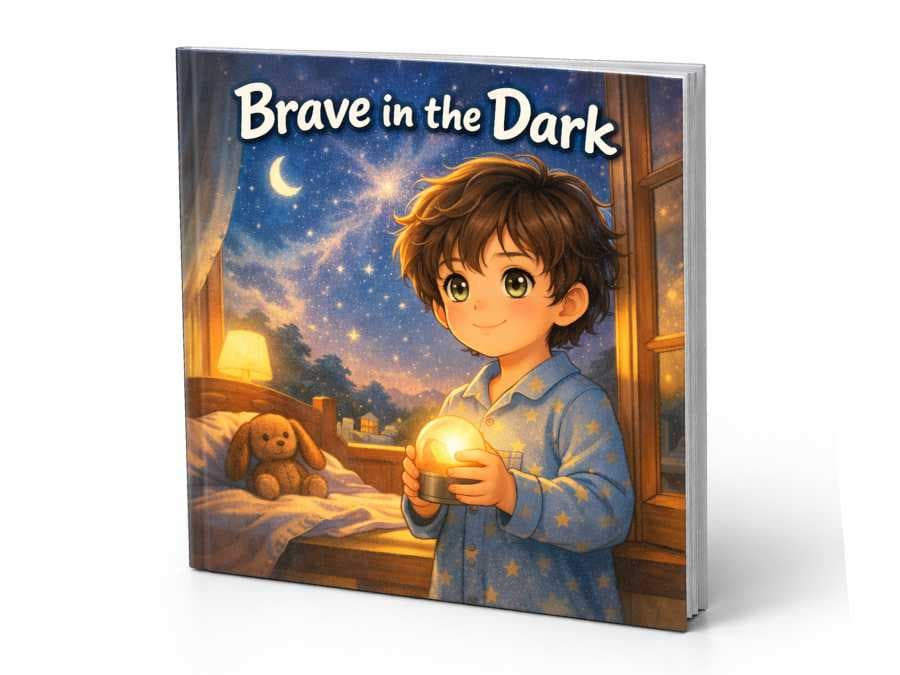
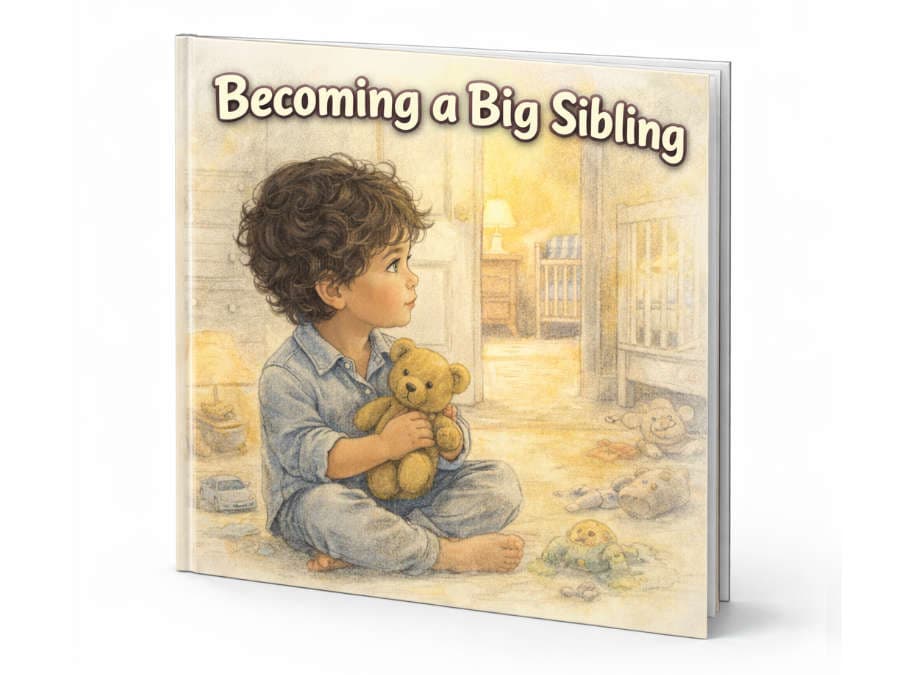
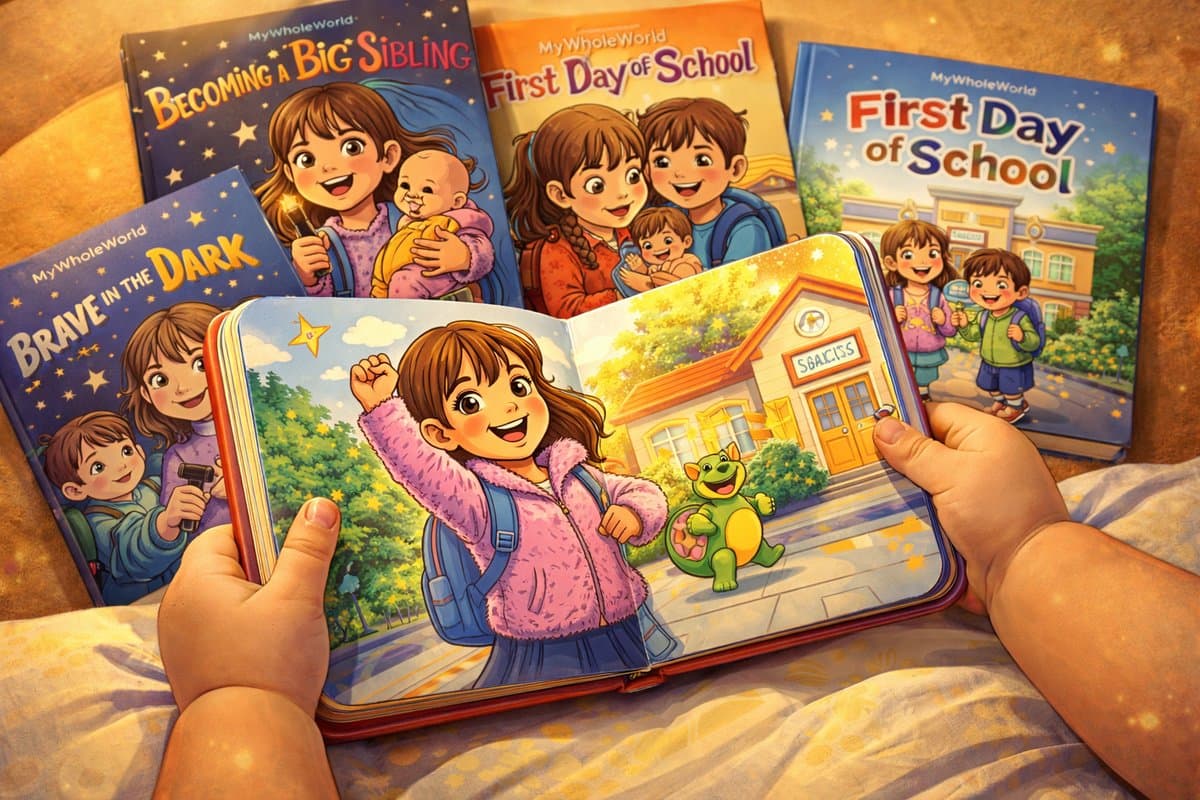
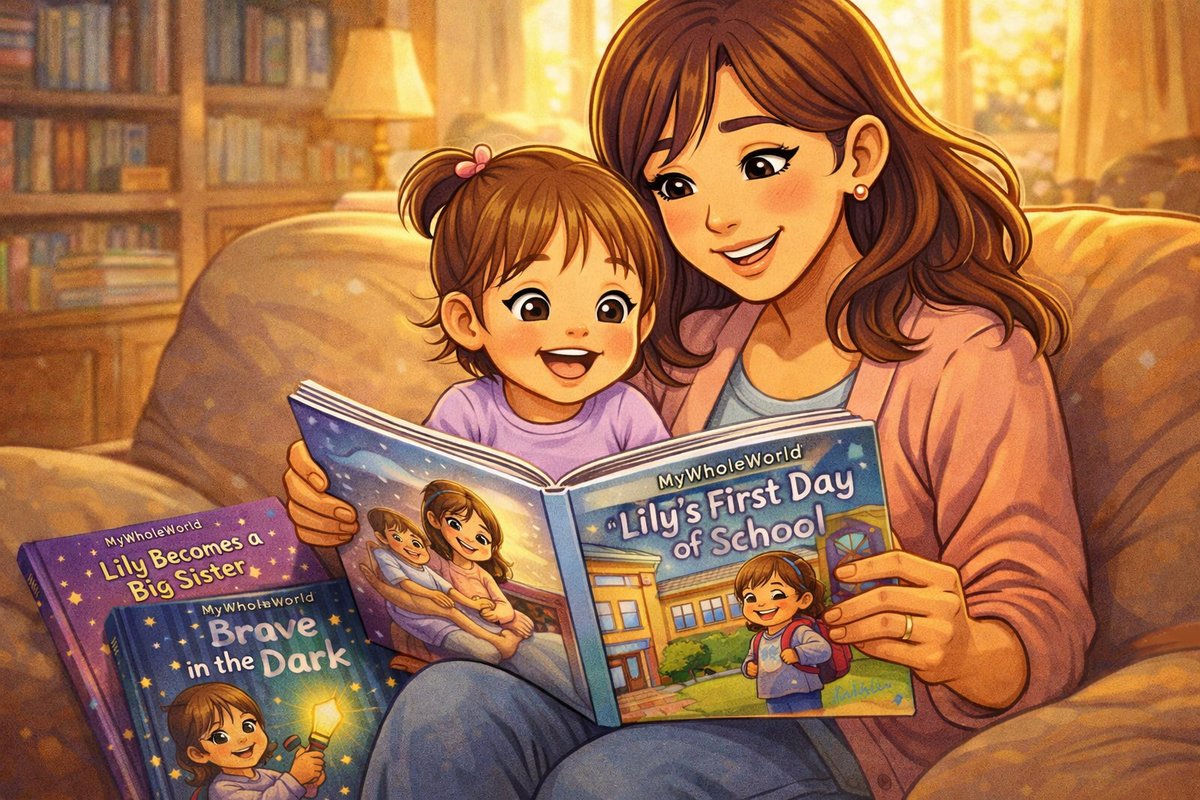
Whether it's a book about their first day of school, learning to be brave in the dark, or becoming a big sibling, stories that mirror your toddler's real experiences help them process their world while building that crucial love of reading. When you browse our collection, you'll find stories designed to meet toddlers exactly where they are—with all their wiggling, questioning, and wonder intact.
Your Toddler's Reading Journey Starts Now
Reading with toddlers doesn't have to be perfect to be powerful. Those chaotic story times—where your child is upside down on the couch, asking why the dog is blue, and demanding you read the same page for the fifth time—are working. You're building vocabulary, creating positive associations, and showing your child that books are worth paying attention to.
Some days will be easier than others. Some books will be hits, and others will be immediately rejected. Your toddler might go through phases of loving books and phases of preferring to stack them like blocks. All of this is normal, and all of it is okay.
The goal isn't to raise a toddler who sits perfectly still for thirty-minute reading sessions. The goal is to raise a child who, years from now, still associates books with warmth, connection, and the feeling of being truly seen. And that starts now, one wiggling, giggling, page-turning session at a time.