If you're watching your kindergartener navigate the exciting (and sometimes overwhelming) world of reading for 5 year-olds, you're likely wondering: Is my child on track? Should they be reading words already? How can I help without adding pressure? The truth is, five-year-olds develop reading skills at remarkably different paces—and that's completely normal. Understanding what to expect at this age and how to nurture their emerging literacy can transform this critical learning stage from anxious to empowering.
What Reading Skills Should a 5-Year-Old Have?
At age five, most children are in the "emergent reader" stage, which means they're building the foundational skills that will eventually lead to independent reading. Rather than focusing solely on whether they can read words yet, it's helpful to look at the broader landscape of 5 year-old reading skills that support literacy development.
Pre-Reading and Early Literacy Skills
By kindergarten age, many five-year-olds demonstrate these emerging abilities:
- Print awareness: Understanding that print carries meaning, recognizing that we read from left to right and top to bottom, and identifying the front and back of a book
- Letter recognition: Identifying most uppercase letters and many lowercase letters by sight
- Phonological awareness: Recognizing rhyming words, clapping out syllables in words, and identifying beginning sounds in simple words
- Vocabulary development: Understanding and using an expanding vocabulary of 2,000-5,000 words in conversation
- Story comprehension: Following simple storylines, predicting what might happen next, and answering basic questions about stories read aloud
- Name writing: Writing their own first name, often with a mix of uppercase and lowercase letters
Some five-year-olds begin recognizing sight words (common words like "the," "and," "is") and sounding out simple consonant-vowel-consonant words like "cat" or "dog." Others aren't quite there yet—and both scenarios fall within the typical range of development.
The Wide Range of "Normal"
Here's what often surprises parents: the range of reading readiness at age five is enormous. Some kindergarteners arrive at school already reading simple books independently, while others are still mastering letter sounds. Both children can be developing perfectly on track. Reading readiness depends on many factors including exposure to books, individual cognitive development, language skills, and even birth month (younger kindergarteners naturally have less experience than their older classmates).
What matters most isn't whether your five-year-old is reading words yet, but whether they're developing a positive relationship with books and building the foundational skills that support future reading success.
Key Reading Milestones to Watch For During the Kindergarten Year
Rather than expecting your child to hit specific benchmarks on a rigid timeline, think of these milestones as general guideposts for 5-year old reading words and literacy development throughout the kindergarten year:
Fall/Early Kindergarten (Ages 5.0-5.5)
- Recognizes and names most letters of the alphabet
- Begins to connect some letters with their sounds (especially letters in their own name)
- Shows interest in environmental print (recognizing familiar logos, signs, or labels)
- Can retell familiar stories in their own words
- Holds books correctly and turns pages appropriately
- Understands that spoken words can be written down
Mid-Year (Ages 5.5-6.0)
- Knows most letter sounds (consonants and short vowels)
- Begins to blend sounds together to read simple words
- Recognizes 10-25 high-frequency sight words
- Can segment simple words into individual sounds ("cat" = /c/ /a/ /t/)
- Writes simple sentences with invented spelling ("I LIK DOGS" for "I like dogs")
- Asks questions about stories and makes predictions
Late Kindergarten/Early First Grade (Ages 6.0-6.5)
- Reads simple, predictable texts with support
- Recognizes 25-50+ sight words automatically
- Uses beginning, middle, and ending sounds to decode unfamiliar words
- Self-corrects when reading doesn't make sense
- Writes simple stories using a combination of sight words and phonetic spelling
- Demonstrates reading comprehension by answering who, what, where, when questions
Remember: these are general patterns, not rigid requirements. If your child is developing more slowly in one area but showing strength in others, that's typical. The goal is steady progress, not perfection.
How to Support Your 5-Year-Old's Reading Development at Home
The most powerful thing you can do to support reading for 5 year-olds is to make literacy joyful, not stressful. Here are research-backed strategies that actually work:
Read Aloud Every Single Day
This is the single most important activity for building literacy skills. Aim for at least 15-20 minutes of reading together daily. Choose a mix of books: familiar favorites they request repeatedly, new stories that stretch their vocabulary, and books that reflect their interests and experiences.
When you read aloud, pause to ask open-ended questions ("Why do you think the character did that?" "What would you do?"), point out interesting words, and make connections to your child's life. This builds comprehension skills, vocabulary, and critical thinking—all essential for future reading success.
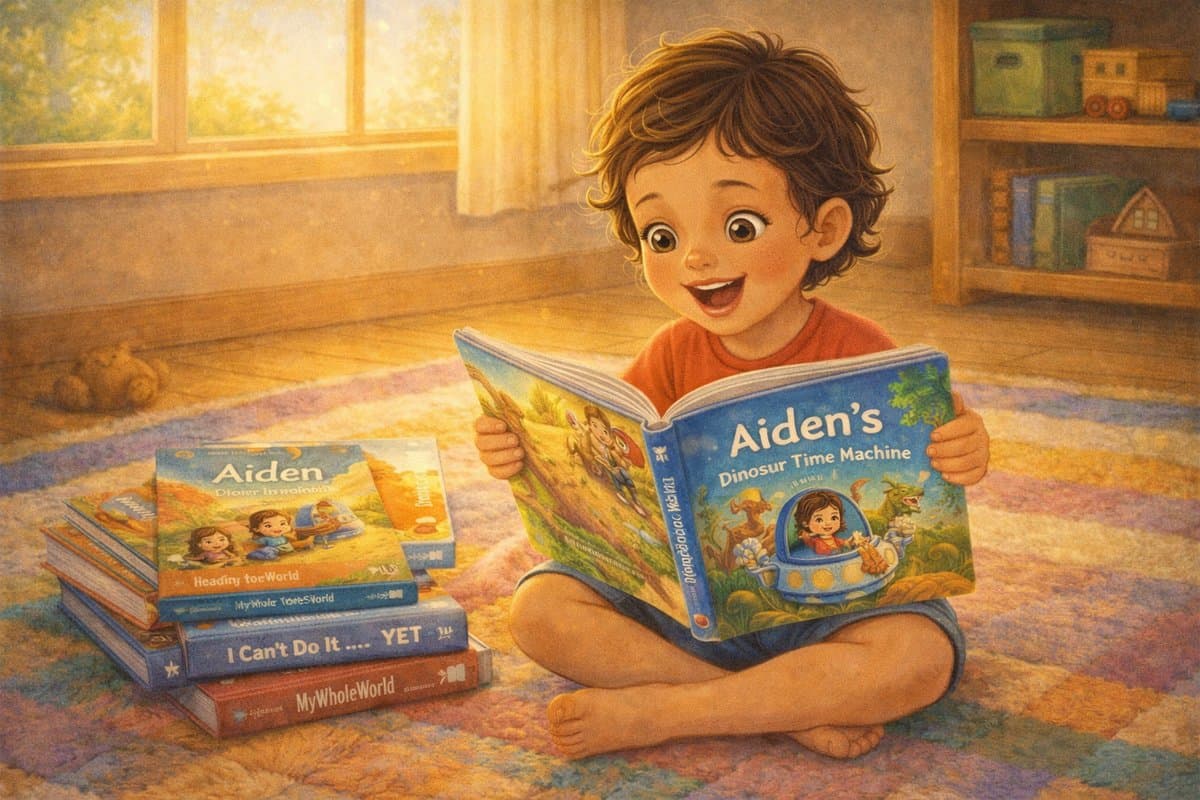
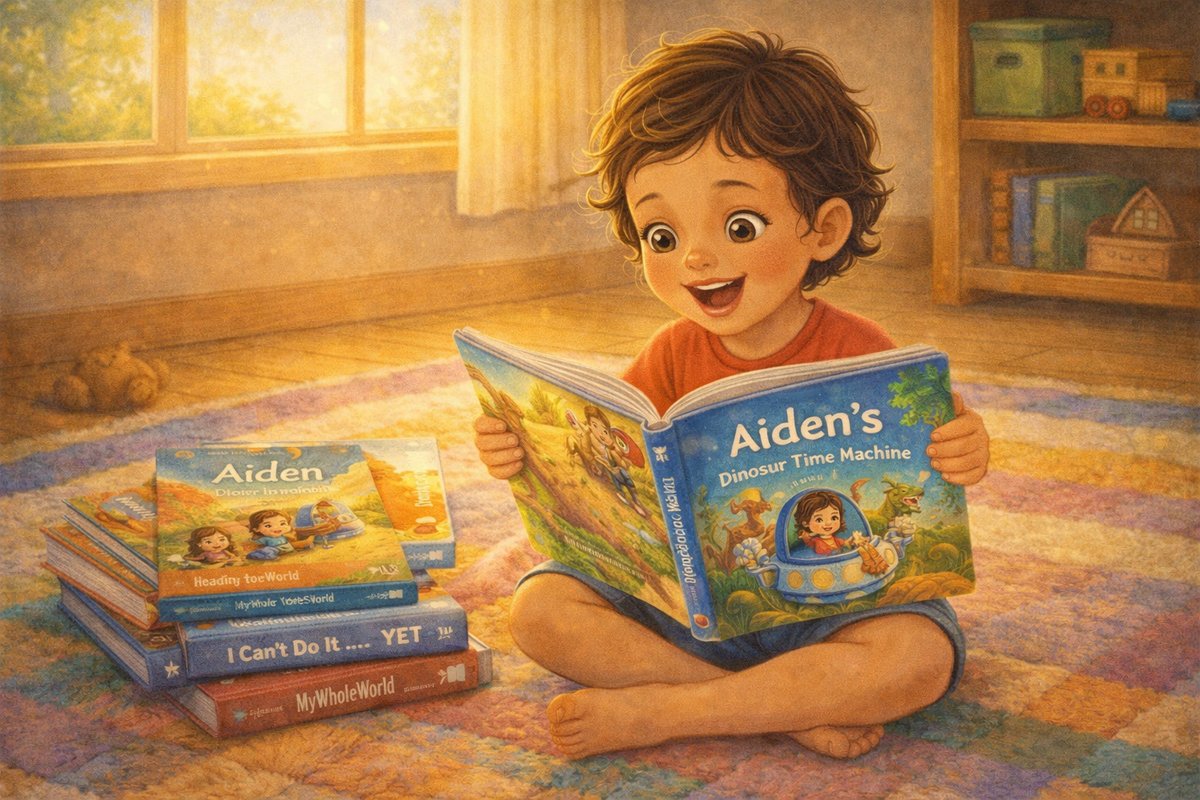
Consider incorporating personalized books into your reading routine. When children see themselves as the hero of a story—with their actual name, appearance, and personality traits woven into the narrative—it creates a powerful connection between their identity and literacy. Books that mirror a child's real world back to them can dramatically increase engagement and motivation to read.
Play With Sounds and Letters
Make phonological awareness playful rather than drill-based:
- Rhyme games: "I'm thinking of a word that rhymes with 'cat'... it's something you wear on your head!" (hat)
- Sound scavenger hunts: "Let's find five things in the kitchen that start with /b/!"
- Syllable clapping: Clap out the syllables in family members' names or favorite foods
- Letter hunts: Search for specific letters on cereal boxes, street signs, or in books
- Magnetic letters: Build simple words on the refrigerator, changing one letter at a time (cat → bat → hat)
These activities build the phonemic awareness that underlies successful decoding—the ability to sound out unfamiliar words.
Create a Print-Rich Environment
Surround your child with meaningful print:
- Label objects around the house ("door," "window," "toy box")
- Display the alphabet at their eye level
- Keep books accessible in every room, not just the bedroom
- Write notes to each other ("I love you!" on a sticky note in their lunchbox)
- Let them see you reading for pleasure—newspapers, novels, recipes
- Point out environmental print during errands ("That sign says STOP")
When children see that reading is purposeful and everywhere, they internalize its importance naturally.
Follow Their Interests
A child obsessed with dinosaurs will be far more motivated to decode "Tyrannosaurus Rex" than a random word on a flashcard. Stock your home library with books about their current passions—whether that's construction vehicles, ballet, space, or dragons.
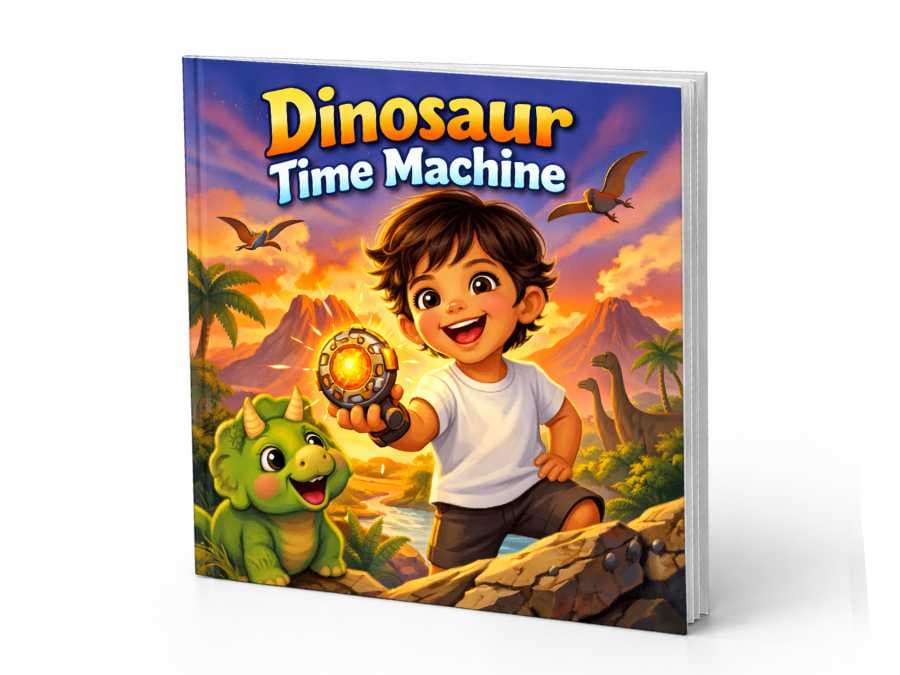
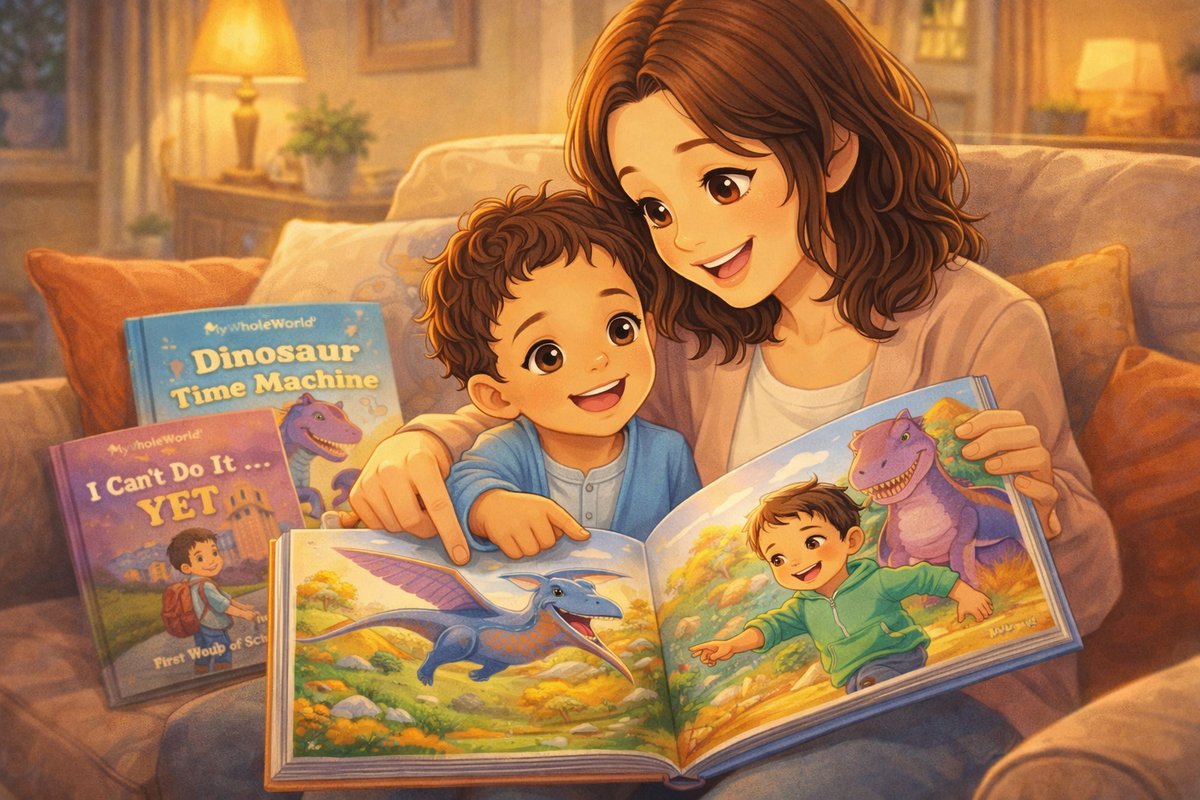
Our Dinosaur Time Machine adventure, for example, lets dinosaur-loving kids become the hero of their own prehistoric journey, combining their passion with personalized storytelling that makes reading irresistible.
Celebrate Effort, Not Just Achievement
When your child struggles with a word, resist the urge to immediately supply the answer. Instead, offer strategies: "What sound does that first letter make?" "Look at the picture—what would make sense?" "Let's try sounding it out together."
Praise their problem-solving process: "I love how you didn't give up on that tricky word!" rather than just "Good job reading." This builds the resilience and growth mindset essential for tackling increasingly complex texts.
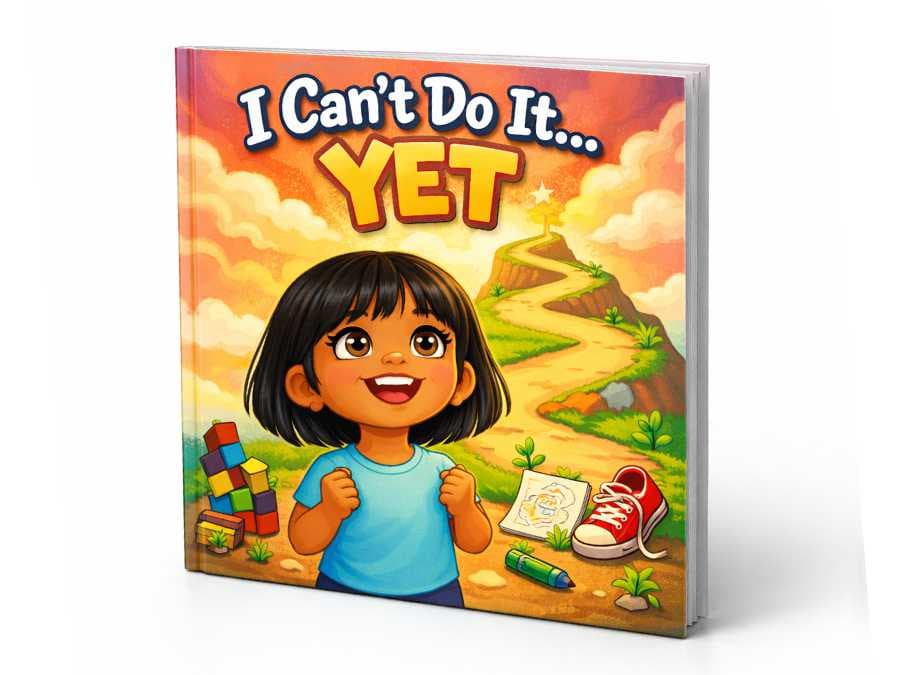
Books like our I Can't Do It... YET story reinforce this exact message—that learning is a journey and mistakes are part of growth. When children see themselves as characters who persist through challenges, it normalizes the struggle that's inherent in learning to read.
Your child could be the star of their own story
Personalized books with their name, their face, and the people they love. Preview it free — no payment needed.
Start a Free PreviewWhen to Seek Additional Support
While the range of typical development is wide, certain signs may indicate your child would benefit from additional evaluation or support:
- By mid-kindergarten, still cannot recognize or name most letters of the alphabet
- Shows no interest in books or actively resists reading activities
- Cannot hear or produce rhyming words by age 5.5-6
- Has significant difficulty with letter-sound correspondence despite regular practice
- Struggles to follow simple storylines or answer basic questions about familiar stories
- Has a family history of reading difficulties or dyslexia
- Shows signs of frustration, anxiety, or low self-esteem related to literacy activities
If you notice several of these signs, talk with your child's teacher or pediatrician. Early intervention makes an enormous difference. Many children who struggle early simply need a different approach or additional practice with foundational skills—and the sooner they receive support, the better their long-term outcomes.
The Power of Personalization in Building Reading Confidence
One often-overlooked factor in reading development is emotional connection. Children are far more motivated to engage with texts that feel personally relevant and meaningful. This is where personalized books create something truly special during the critical kindergarten year.
When a five-year-old opens a book and sees themselves—not just their name inserted into a template, but their actual personality, interests, and unique traits woven into an original story—something magical happens. They lean in. They want to know what happens next. They request the book again and again, building the repetition that's essential for developing 5 year-old reading skills.
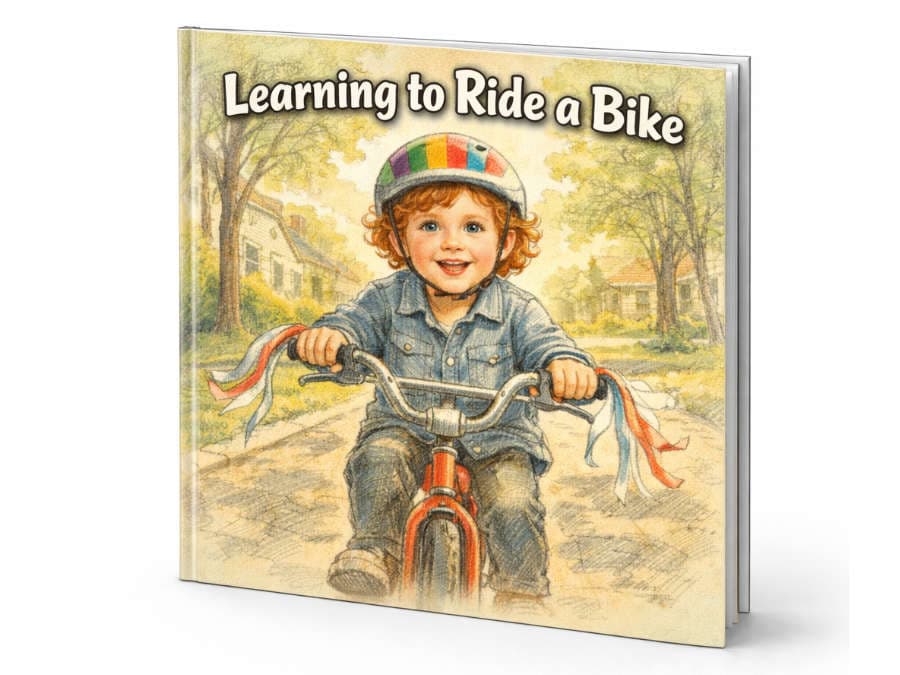
A child who sees themselves successfully navigating challenges in a story begins to internalize that same confidence in real life. Whether they're heading to their first day of school, learning to ride a bike, or managing big emotions, personalized stories provide both a mirror ("This character is like me!") and a window ("I can do hard things too!").
This isn't just about making reading fun—though it absolutely does that. It's about building the intrinsic motivation and positive associations with literacy that will carry your child through years of learning. When books feel like they were created specifically for them, reading transforms from a skill to be mastered into an experience to be treasured.
Final Thoughts: Trust the Process (and Your Child)
Reading development at age five is rarely linear. Your child might seem to plateau for weeks, then suddenly leap forward. They might decode words beautifully one day and struggle with the same words the next. This is all part of the normal learning process.
Your role isn't to force early reading or compare your child to their peers. It's to create an environment where literacy feels joyful, purposeful, and achievable. Read together daily. Play with language. Follow their interests. Celebrate their efforts. And trust that with consistent, loving support, your child will develop the reading skills they need—on their own timeline.
If you're looking for books that will genuinely excite your kindergartener and build their confidence during this critical learning stage, explore our personalized stories that make your child the hero of their own adventure. Because when children see themselves in the stories they read, they don't just learn to read—they learn to believe in themselves.