If you've ever tried to read a traditional board book to an active toddler, you know the struggle: they're flipping pages backward, crawling away mid-sentence, or suddenly fascinated by the dust bunny under the couch. The truth is, toddlers aren't designed to sit still—and that's exactly why reading games for toddlers work so beautifully. These playful activities meet your little one where they are, transforming literacy learning into something they actually want to do.
Between 18 months and 3 years, children are building the foundational skills that will eventually become reading: recognizing letters, understanding that print carries meaning, developing vocabulary, and connecting sounds to symbols. But here's the secret—they don't need flashcards or formal lessons. They need games, movement, and hands-on exploration that make learning feel like the best kind of play.
Why Reading Games Work Better Than Traditional Reading for Active Toddlers
Traditional lap reading is wonderful—but it's not the only way toddlers learn to love books. At this age, children learn through their whole bodies. They need to touch, move, explore, and repeat things dozens of times before concepts stick. Reading games for toddlers honor this developmental reality.
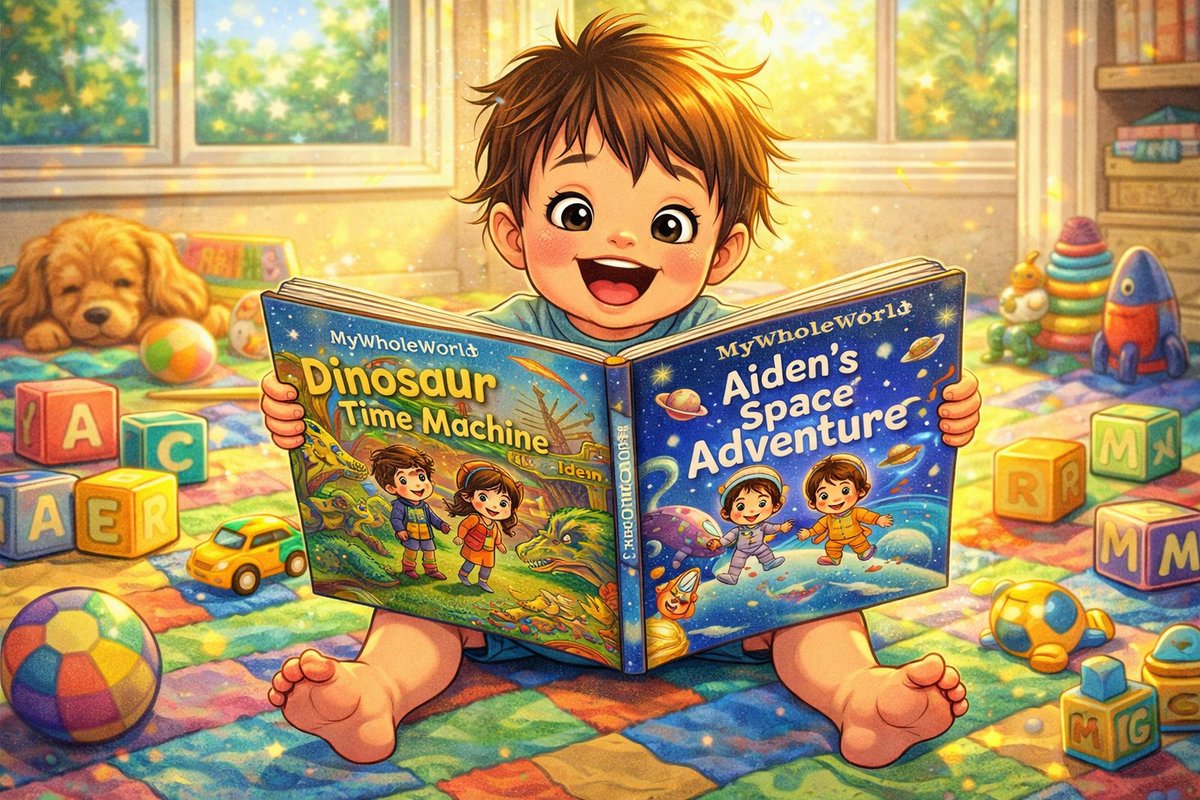
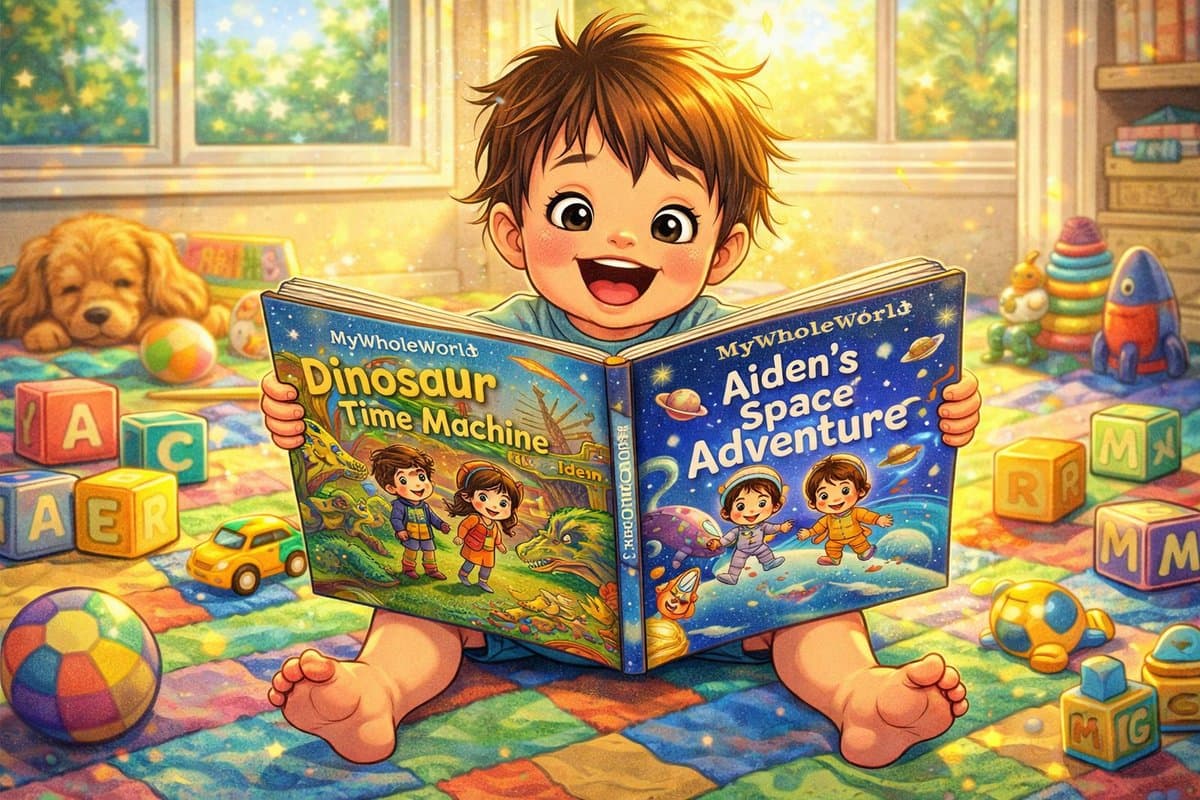
When you turn literacy into a game, several things happen: attention spans magically extend (because it's fun, not forced), learning becomes multisensory (they're seeing, hearing, touching, and moving), and most importantly, positive associations with books and reading form during these critical early years.
Research shows that children who engage in playful literacy activities before age three develop stronger pre-reading skills and more positive attitudes toward reading later. You're not just teaching letters—you're building a foundation of curiosity and confidence that will serve them for years to come.
Letter Recognition Games Using Household Items
You don't need expensive educational toys to create powerful toddler reading games. Some of the best activities use items you already have at home.
Alphabet Treasure Hunt
Write letters on sticky notes and hide them around one room. Call out a letter and let your toddler search for it. When they find it, celebrate enthusiastically and make the letter sound together. Start with just 3-4 letters and gradually increase. The movement keeps them engaged while the repetition builds recognition.
Letter Sensory Bin
Fill a large plastic bin with rice, dried beans, or sand. Hide magnetic letters or letter blocks inside. Let your toddler dig, pour, and discover letters. As they find each one, name it together and make its sound. The sensory experience makes the learning stick in ways that flashcards never could.
Painter's Tape Letter Hop
Use painter's tape to create large letters on the floor. Call out a letter and have your toddler hop, jump, or crawl to it. This combines gross motor development with letter recognition—and burns energy while learning. Bonus: they can help you "draw" the letters with the tape, building letter formation awareness.
Refrigerator Letter Match
If you have magnetic letters, write corresponding letters on index cards. Have your toddler match the magnetic letter to the card. Start with uppercase only, then introduce lowercase once they've mastered the capitals. Make it a game by timing them or seeing how many they can match before a song ends.
Sound and Rhyme Activities That Build Phonemic Awareness
Phonemic awareness—the ability to hear and manipulate sounds in words—is one of the strongest predictors of reading success. These reading activities for toddlers develop this crucial skill through play.
Rhyme Time Scavenger Hunt
Choose a simple word like "cat." Together, search your home for things that rhyme: hat, mat, bat (toy). Don't worry if your toddler doesn't understand rhyming yet—the exposure and repetition are what matter. Make it silly: "Does 'cat' rhyme with 'elephant'? No! That's silly!"
First Sound Sorting
Gather toys or household items that start with two different sounds (like B and M). Say each item's name, emphasizing the first sound: "Buh-ball, Buh-book, Muh-monkey, Muh-mug." Have your toddler sort them into two baskets. This builds the foundation for phonics without any formal instruction.
Clapping Syllables
Turn syllable counting into a rhythm game. Clap out the syllables in family members' names, favorite foods, or animals. "El-e-phant" (three claps), "dog" (one clap). Your toddler will love the movement and sound, and they're learning that words break into smaller parts—a critical pre-reading skill.
Sound Basket Collection
Choose a letter sound for the day (start with sounds like M, B, S that are easy to sustain). Throughout the day, collect items that start with that sound in a special basket. At the end of the day, dump them out and name each one, emphasizing the sound. This makes phonemic awareness feel like a treasure hunt.
Movement-Based Reading Games for High-Energy Toddlers
If your toddler can't sit still, don't fight it—use it. These toddler reading activities incorporate the movement they crave while building literacy skills.
Story Action Adventure
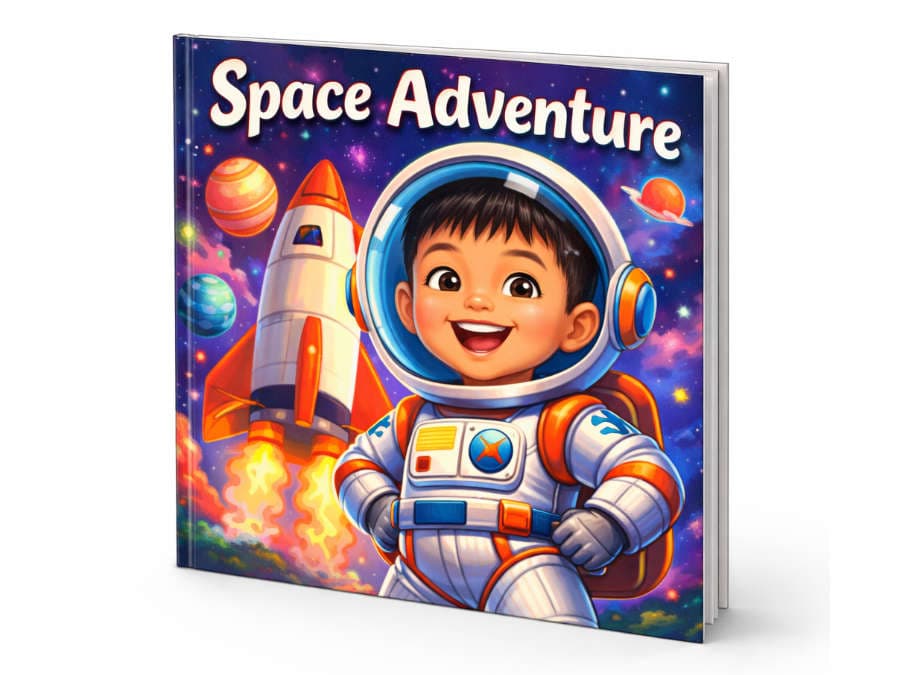
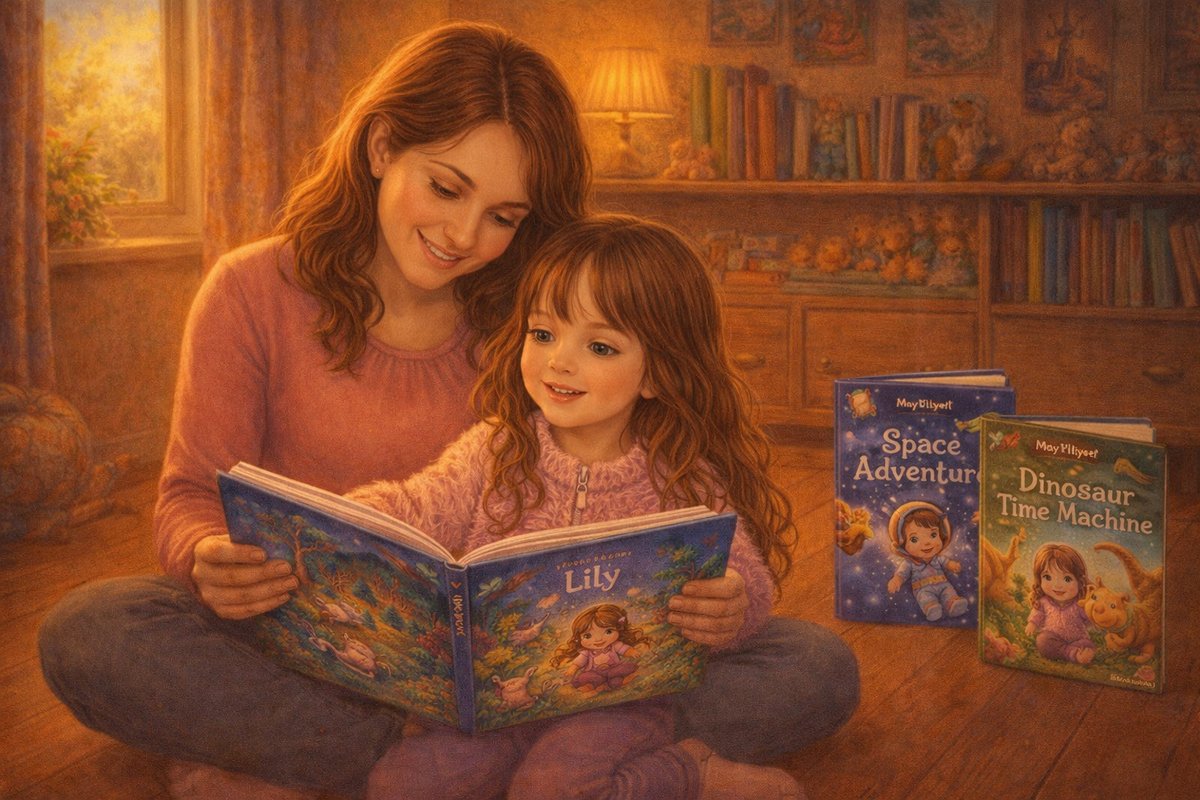
Read a simple story, but act it out as you go. If the character jumps, you both jump. If they're tired, you both pretend to sleep. This keeps active toddlers engaged with the narrative while building comprehension and vocabulary. Our Space Adventure book is perfect for this—lots of action to act out.
Alphabet Obstacle Course
Set up a simple obstacle course with stations. At each station, place a letter card. Your toddler must complete the physical challenge (crawl under a chair, jump over a pillow), then identify the letter before moving to the next station. Learning becomes an adventure.
Letter Dance Party
Play music and dance. When the music stops, hold up a letter card. Your toddler must freeze and make the letter sound (or just name it). Then dance again. The unpredictability and movement make this endlessly entertaining while building letter recognition.
Story Walk
Take a book outside. Read a page, then walk or run to a designated spot (a tree, the mailbox, the end of the driveway). Read another page, then move again. This breaks up the sitting while maintaining the story flow. Perfect for toddlers who need movement breaks every 30 seconds.
Your child could be the star of their own story
Personalized books with their name, their face, and the people they love. Preview it free — no payment needed.
Start a Free PreviewSensory Reading Activities That Engage Multiple Learning Styles
Toddlers are sensory learners. These activities engage touch, sight, sound, and sometimes even smell to make literacy learning memorable.
Shaving Cream Letters
Spray shaving cream on a cookie sheet or highchair tray. Let your toddler "write" letters with their fingers. The sensory experience is so engaging they won't realize they're practicing letter formation. Plus, it's self-cleaning—just wipe it away and start over.
Textured Letter Book
Create a simple book using cardstock. On each page, create a letter using different textures: sandpaper, cotton balls, aluminum foil, bubble wrap. Your toddler traces the letter with their finger while you make the sound together. The tactile experience creates strong neural connections.
Water Painting Words
Give your toddler a paintbrush and a cup of water. On the sidewalk or driveway, "paint" letters or simple words. They appear dark against the concrete, then magically disappear as they dry. The temporary nature means no pressure—just experimentation and fun.
Playdough Letter Building
Provide playdough and letter cards. Your toddler rolls "snakes" of playdough and forms them into letter shapes, using the card as a guide. This builds fine motor skills and letter recognition simultaneously. Make it a game: "Can you make the letter that says 'mmmm'?"
Book-Based Games That Deepen Story Engagement
These activities extend the reading experience beyond the pages, helping toddlers develop comprehension and vocabulary while having fun.
Character Dress-Up
After reading a favorite book, help your toddler dress up as the main character using simple items from around the house. Then act out the story together. This deepens their connection to narratives and builds comprehension. When children see themselves as the hero—like they do in a personalized book—the engagement multiplies.
Story Sequencing Cards
Draw or print simple pictures representing the beginning, middle, and end of a familiar story. Mix them up and have your toddler put them in order while you retell the story together. This builds narrative understanding and sequencing skills—critical for both reading and writing later.
Book Basket Rotation
Keep only 5-7 books accessible at a time. Every week, rotate in different titles from your collection. This keeps books feeling fresh and exciting rather than overwhelming. Include a mix of board books, lift-the-flap books, and learning books for toddlers that match their current interests.
Illustration Detective
Before reading, look at the pictures together and make predictions: "What do you think will happen? Who is this character?" During reading, pause to find details: "Can you find the blue bird? Where's the cat hiding?" This builds visual literacy and comprehension skills while making reading interactive.
Creating a Reading-Rich Environment Without Overwhelm
The best reading game is one that happens naturally throughout your day. Here's how to set up your environment to encourage spontaneous literacy play.
Create multiple reading nooks—not just one formal reading area. A basket of books in the bathroom, a few board books in the car, a small shelf in the kitchen. When books are everywhere, reading becomes a natural part of life rather than a scheduled activity.
Label household items with word cards. Your toddler isn't reading them yet, but they're learning that print carries meaning and that objects have corresponding written words. Point to the words occasionally: "Look, this says 'door.'"
Keep a "new words" list visible. When your toddler learns a new word, write it on a poster or whiteboard. They'll love seeing their vocabulary grow, and you're reinforcing that spoken words can be written down—a fundamental literacy concept.
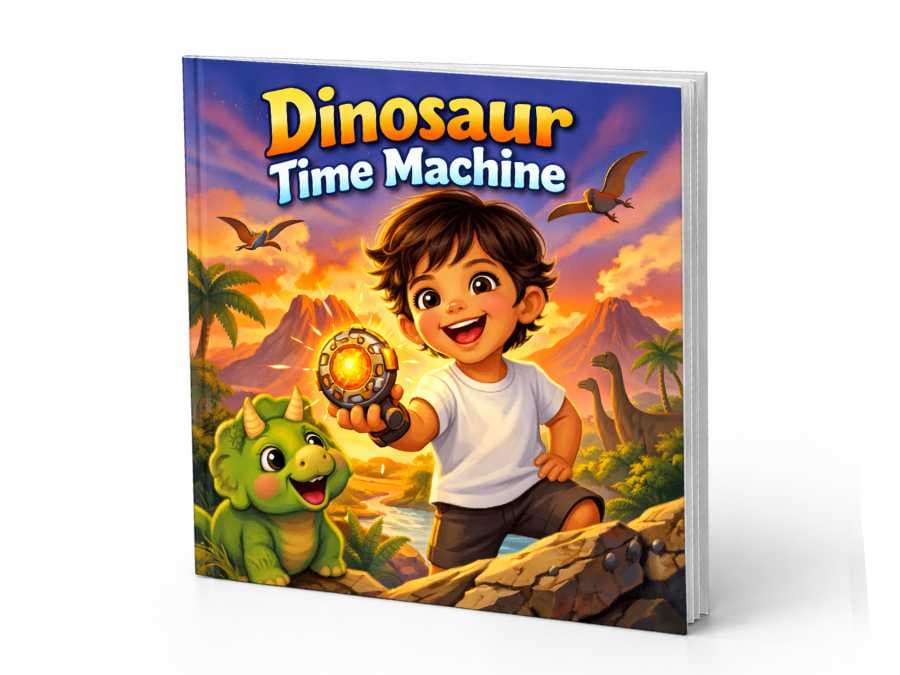
Most importantly, follow your toddler's interests. If they're obsessed with trucks this month, focus on truck books and truck-themed letter games. If dinosaurs are their passion, our Dinosaur Time Machine adventure might become the book they request 47 times. Engagement always trumps educational value—because engaged toddlers are learning toddlers.
When to Worry (and When Not To) About Reading Readiness
Here's what's completely normal for toddlers: not sitting still for entire books, showing zero interest in letters, preferring to chew books rather than read them, and having wildly inconsistent attention spans. If your 2-year-old won't sit through Goodnight Moon, that doesn't mean they'll struggle with reading later.
What matters at this age: exposure to books and print, hearing rich language and vocabulary, developing a positive association with reading time, and building the pre-reading skills (letter awareness, phonemic awareness, print concepts) through play.
Red flags to mention to your pediatrician: no interest in books or stories by age 2, not responding to their name consistently, significant speech delays, or not making eye contact during interactive reading. But remember—the range of "normal" is vast, and most toddlers who seem disinterested in books at 2 become enthusiastic readers by 5.
Making Reading Games a Natural Part of Your Day
The most effective reading games for toddlers aren't elaborate Pinterest projects—they're simple activities woven into your existing routine. Play the "first sound game" while making lunch. Do the alphabet obstacle course before bath time. Read the same book seventeen times in a row if that's what they want (repetition is how toddlers learn).
Remember that you're not trying to create an early reader—you're nurturing a future book lover. Every time you make reading playful rather than pressured, you're building positive associations that will last a lifetime. The toddler who won't sit still for books today might be the eight-year-old reading under the covers with a flashlight tomorrow.
And here's a secret: personalized books often work magic with reluctant readers. When toddlers see themselves as the hero of the story—with their actual name, their appearance, their interests woven into the narrative—engagement skyrockets. If you're struggling to capture your active toddler's attention, explore our collection of personalized adventures that make your child the star. Because sometimes, the best reading game is simply a story that feels like it was written just for them.