
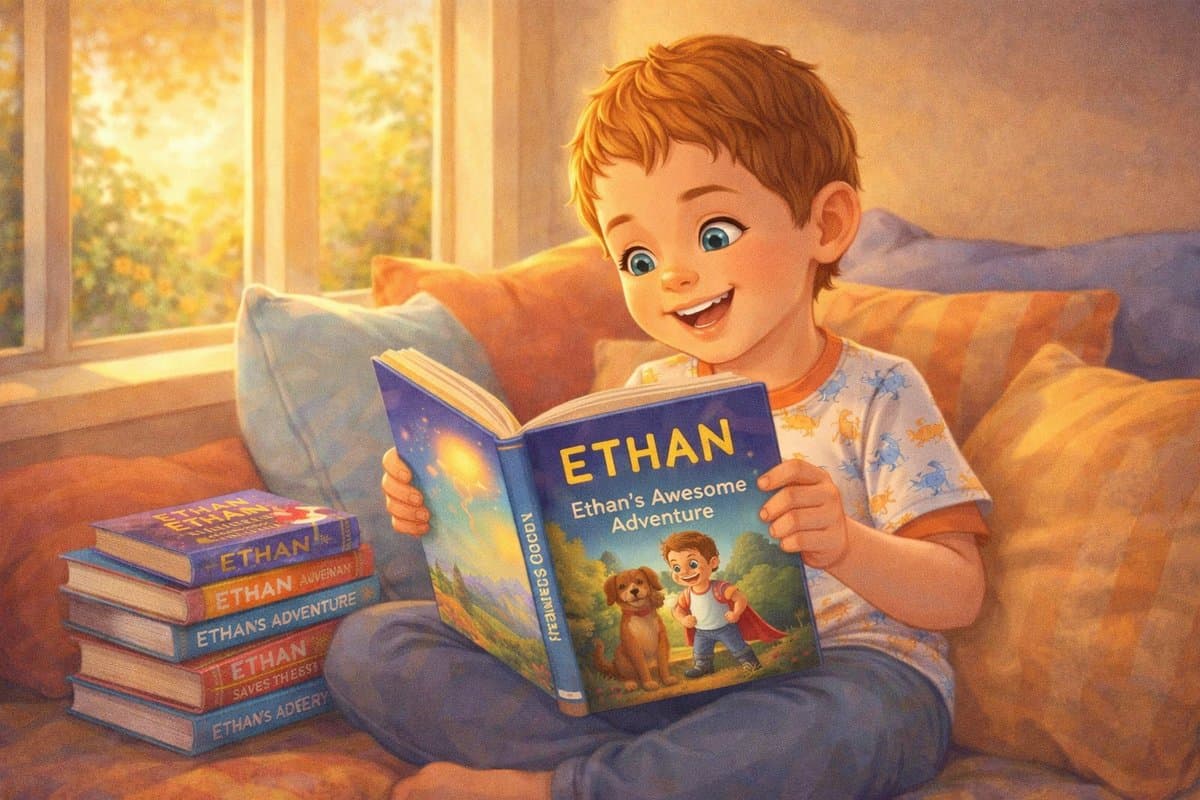
Seven is a magical age for reading development. Your child is transitioning from learning to read to reading to learn—a shift that opens up entire worlds of chapter books, independent exploration, and deeper comprehension. Understanding what 7 year-old reading skills look like and how to nurture them can help you support your second grader through this exciting developmental leap without pressure or frustration.
What Reading Looks Like at Age 7: Developmental Milestones
Most 7-year-olds are in second grade, where reading expectations take a significant jump. While every child develops at their own pace, typical second grade reading skills include:
- Reading fluency: Your child can read age-appropriate texts smoothly, with expression and appropriate pacing (around 60-90 words per minute by year's end)
- Decoding multisyllabic words: They can tackle longer words by breaking them into chunks ("un-for-get-ta-ble")
- Self-correction: When something doesn't make sense, they notice and go back to fix it
- Reading stamina: They can sustain attention through longer texts—typically 20-30 minutes of independent reading
- Comprehension strategies: They're beginning to make predictions, visualize scenes, and connect stories to their own experiences
The range of "normal" is remarkably wide at this age. Some 7-year-olds are devouring chapter books independently, while others are still building confidence with early readers. Both are exactly where they need to be, as long as they're making progress and maintaining enthusiasm for books.
The Confidence Factor
What matters most at age 7 isn't reading level—it's reading identity. Does your child see themselves as a reader? Do they choose books during free time? This self-concept as a reader is the best predictor of long-term literacy success, far more than any particular benchmark.
The Chapter Book Transition: When and How
One of the biggest shifts in reading for 7-year-olds is the move from picture books to chapter books. This transition can feel abrupt—suddenly there are fewer illustrations, longer sentences, and stories that span multiple sittings.
Signs Your Child Is Ready for Chapter Books
- They can sustain attention through a 10-15 minute read-aloud without pictures
- They remember story details from previous reading sessions
- They're curious about "what happens next" and ask to continue stories
- They're reading picture books with ease and looking for more challenge
Bridge Books: The Secret Weapon
Don't rush from picture books straight to lengthy chapter books. Bridge books—sometimes called "transitional readers"—are designed specifically for this developmental stage. They feature:
- Short chapters (often just 2-4 pages)
- Illustrations on most pages
- Larger font and generous spacing
- Engaging plots that hook reluctant readers
Popular bridge book series include Mercy Watson, Ivy + Bean, and Branches books. The key is finding stories that feel like "big kid books" without overwhelming your emerging reader.
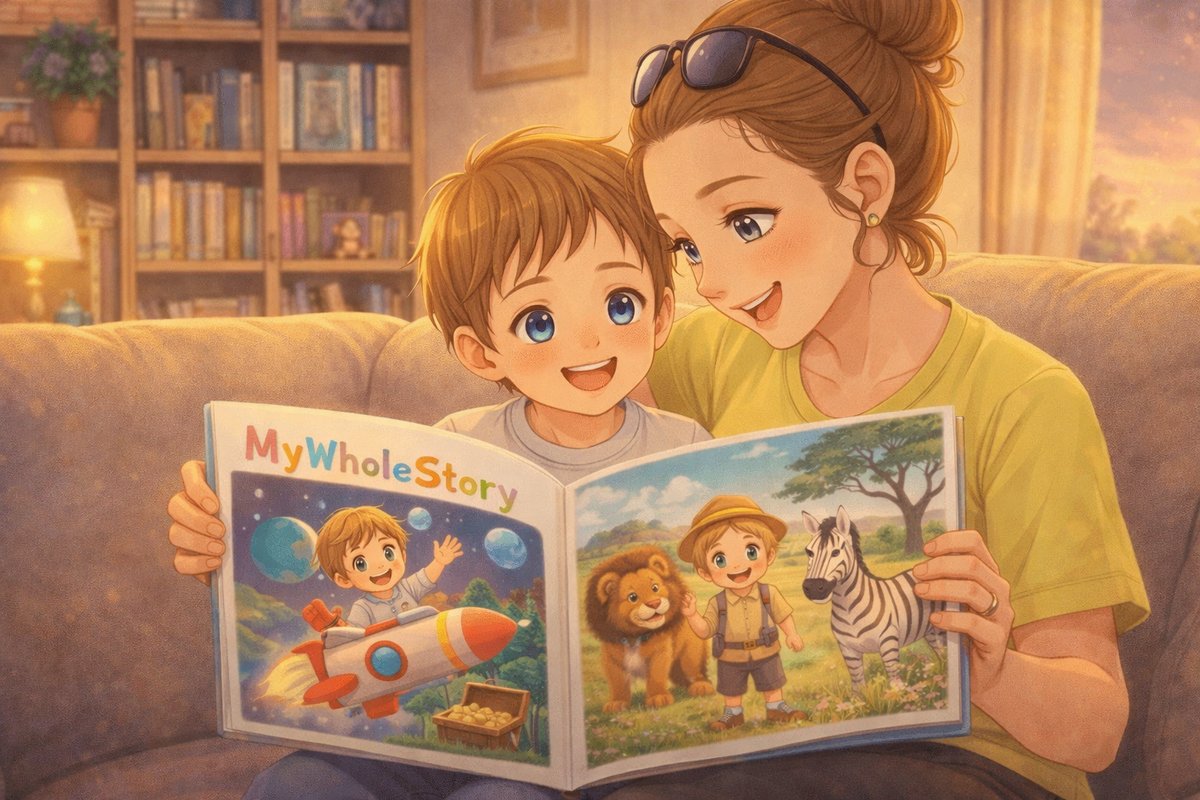
Personalized stories can be particularly powerful during this transition. When children see themselves as the protagonist in a story, they're more motivated to push through challenging text. Our collection includes adventures specifically designed for this age range, where your child's unique traits become part of the narrative itself.
Building Comprehension: Beyond Just Decoding Words
At age 7, the focus shifts from can they read the words to do they understand what they're reading. This is where many parents notice a gap—their child can read aloud beautifully but struggles to answer questions about the story.
Five Comprehension Strategies to Practice at Home
1. Prediction and Inference
Before and during reading, pause to ask: "What do you think will happen next?" or "Why do you think the character did that?" This teaches children to actively engage with text rather than passively decode words.
2. Visualization
Encourage your child to create mental movies. Ask: "What does this scene look like in your mind?" or "Can you draw what you're imagining?" This deepens engagement and memory.
3. Making Connections
Help your child link stories to their own life: "Has anything like this ever happened to you?" These personal connections make stories memorable and meaningful.
4. Questioning
Model curiosity by wondering aloud: "I'm curious why the author chose to..." or "I wonder what would happen if..." This shows that good readers actively question texts.
5. Summarizing
After reading, ask your child to retell the story in their own words. Can they identify the main idea versus minor details? This is a critical skill that develops throughout elementary school.
The Power of Discussion
The single most effective way to build comprehension is simply talking about books. Not quizzing—discussing. Share your own thoughts, ask genuine questions (not ones you already know the answer to), and let conversations wander. These informal book talks build the analytical thinking that standardized tests try to measure.
Supporting Independent Reading Without Pressure
Seven-year-olds are developing independence in all areas, and reading is no exception. They want to choose their own books, read in their own space, and prove they can "do it myself." Here's how to support this independence while maintaining engagement:
Create an Inviting Reading Environment
Designate a cozy reading spot with good lighting, comfortable seating, and easy access to books. A simple bean bag chair and a basket of books can transform a corner into a reading haven. Let your child personalize this space—ownership increases usage.
The 20-Minute Daily Habit
Research consistently shows that 20 minutes of daily independent reading significantly impacts literacy development. But here's the key: it should feel like privilege, not punishment. Frame it as special quiet time, not homework. Many families build this into bedtime routines—reading in bed before lights out.
Choice Is Critical
At age 7, children have strong opinions about what they want to read. Honor these preferences, even if they seem "too easy" or "not educational enough." A child who chooses to read a graphic novel about farts is still reading—and building stamina, vocabulary, and comprehension.
That said, gently expand their horizons by introducing new genres and formats. Personalized books can be particularly effective here because they combine the familiar (your child as protagonist) with new story types they might not choose independently.
When to Read Aloud (Yes, Still!)
Many parents wonder: should I still read aloud to my 7-year-old? Absolutely yes. Read-alouds serve a different purpose than independent reading. They:
- Expose children to complex vocabulary and sentence structures beyond their reading level
- Model fluent, expressive reading
- Create shared family experiences and bonding time
- Introduce genres or topics children might not choose independently
- Keep the joy of stories alive even when decoding feels like work
Continue reading aloud through elementary school and beyond. Some of the richest family memories come from chapter books read together over weeks or months.
Your child could be the star of their own story
Personalized books with their name, their face, and the people they love. Preview it free — no payment needed.
Start a Free PreviewAddressing Common 7-Year-Old Reading Challenges
"My Child Can Read But Won't"
This is perhaps the most common concern parents express about 7 year old reading. Your child has the skills but lacks the motivation. Consider:
- Are the books truly interesting to them? Not what you think they should like—what they actually enjoy. Try graphic novels, joke books, or nonfiction about their obsessions.
- Is reading competing with more appealing options? If screens are unlimited, books will lose. Create screen-free times when reading becomes the most interesting available activity.
- Have they found their reading identity? Some children need to see themselves in books before they engage. Stories featuring characters who look like them, share their interests, or face similar challenges can be transformative.
"My Child Reads the Same Book Over and Over"
Repetitive reading is actually beneficial at this age. Each re-reading builds fluency, deepens comprehension, and provides comfort. Don't discourage it. Instead, gently introduce similar books: "If you love that one, you might also like..."
"My Child Is Behind Grade Level"
First, remember that "grade level" is an average—by definition, half of children read below it. If your child is making progress, enjoying books, and developing confidence, they're on the right track. That said, if you're concerned, talk with your child's teacher about whether additional support might help. Early intervention is most effective.
The Role of Personalization in Reading Motivation
At age 7, children are intensely focused on their own identity—who they are, what makes them special, how they fit into their world. This developmental stage makes personalized reading experiences particularly powerful.
When children see themselves as the hero of a story—not just their name inserted into a template, but their actual personality, interests, and traits woven into the narrative—something magical happens. The story becomes theirs in a way that generic books never can be.
This personal connection increases engagement, which builds reading stamina. It creates positive associations with reading itself. And it reinforces the message that they are interesting, capable, and worthy of having stories told about them.
Research on reading motivation consistently shows that personal relevance is one of the strongest predictors of engagement. When children see their own experiences reflected in books, they read more, comprehend better, and develop stronger reading identities.
Creating a Reading-Rich Home Environment
Supporting reading for 7-year-olds extends beyond dedicated reading time. The overall literacy environment in your home matters:
- Model reading: Let your child see you reading for pleasure, not just scrolling your phone
- Talk about books: Share what you're reading, ask what they're reading, make books part of family conversation
- Visit libraries regularly: Make it a weekly adventure, not just a utilitarian errand
- Keep books visible and accessible: Rotate books on display, create inviting book baskets in multiple rooms
- Connect books to experiences: Reading about dinosaurs? Visit a natural history museum. Loved a book about baking? Make the recipe together.
- Celebrate reading milestones: Finished their first chapter book? That deserves recognition!
Looking Ahead: Building Lifelong Readers
The habits and attitudes your child develops about reading at age 7 will shape their relationship with books for years to come. Your goal isn't to create a child who can read at the highest level—it's to create a child who chooses to read.
Focus on joy over achievement. Celebrate progress over perfection. And remember that every child's reading journey is unique. Some 7-year-olds will devour chapter books independently. Others will still prefer picture books or need significant support. Both are exactly where they need to be.
What matters most is that your child sees reading as something enjoyable, valuable, and connected to their own life and interests. When books feel relevant and engaging—when children see themselves in stories and find answers to their questions in pages—they become readers not because they have to, but because they want to.
If you're looking for ways to make reading more personal and engaging for your 7-year-old, explore our collection of personalized adventures where your child becomes the hero of their own story. Because sometimes the most powerful reading experience is one where they see themselves—their actual personality, interests, and unique traits—reflected back from the page.