Six is a magical age for reading development. Your first grader is transitioning from "learning to read" to "reading to learn"—a shift that brings both exciting breakthroughs and occasional frustrations. Understanding what's typical for reading for 6 year-olds helps you support this journey with confidence rather than worry, celebrating progress while gently addressing challenges.
What to Expect: First Grade Reading Milestones
Reading development at age six varies widely, and that's completely normal. Some children enter first grade already reading chapter books independently, while others are just beginning to decode simple words. Both are on track—reading development isn't a race.
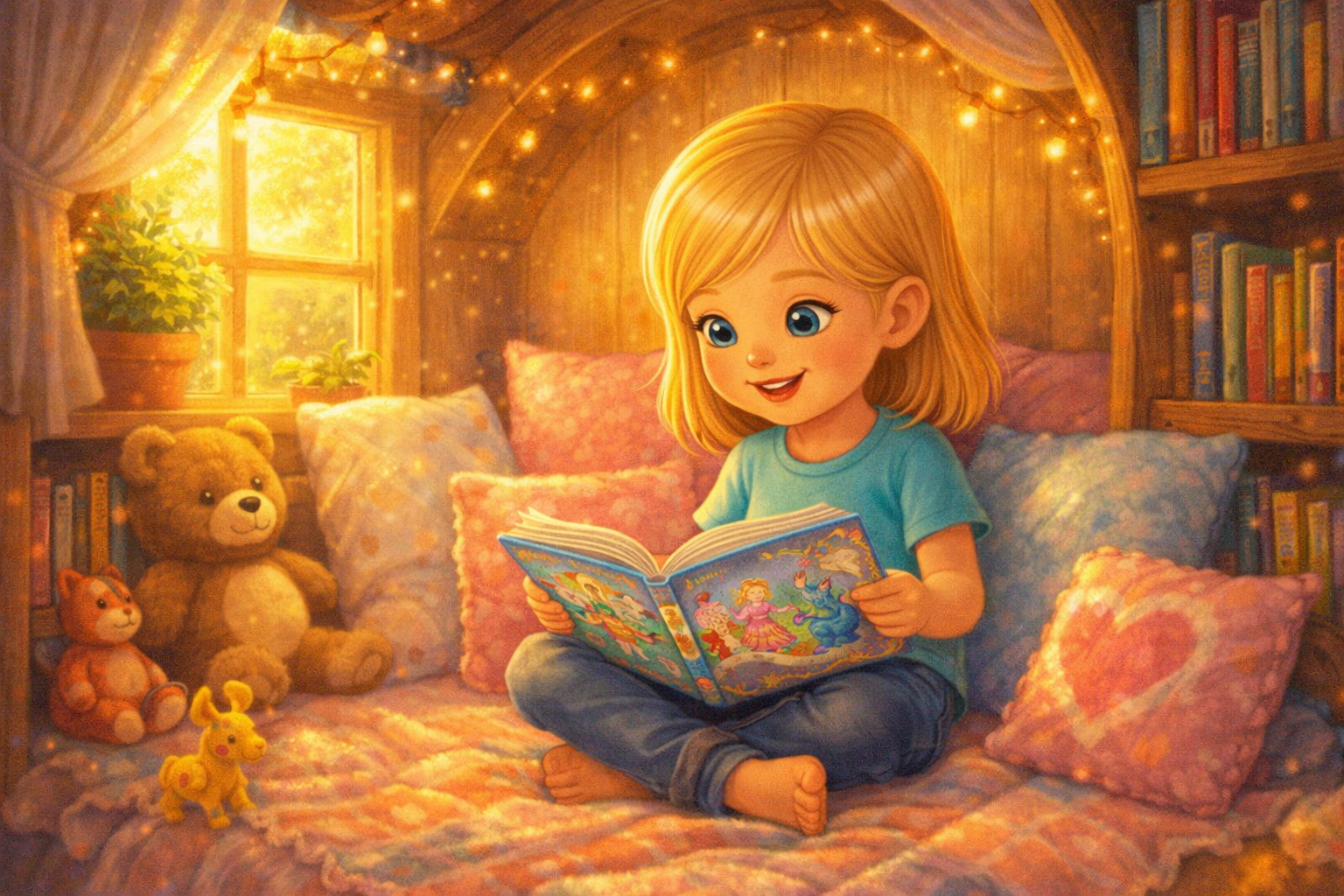
By the end of first grade, most 6 year old reading skills include:
- Decoding skills: Sounding out unfamiliar words using phonics knowledge, recognizing common word patterns (like -ing, -ed, -tion), and blending sounds smoothly
- Sight word recognition: Instantly reading 100+ high-frequency words without sounding them out (words like "the," "said," "because," "friend")
- Reading fluency: Reading simple texts with appropriate pacing and expression, not just word-by-word robotic reading
- Comprehension: Retelling stories in sequence, answering questions about what they read, and making simple predictions
- Self-correction: Noticing when something doesn't make sense and going back to fix mistakes
Remember, these are end-of-year goals. In September, your first grader might still be working on basic decoding. By June, they might be reading independently for 20-30 minutes. The journey between those two points is where the real learning happens.
The Wide Range of "Normal"
Reading specialists emphasize that children can be as much as two years apart in reading ability and still be developing typically. Your neighbor's six-year-old devouring chapter books doesn't mean your child—who's working hard on early readers—is behind. Different children's brains develop reading circuits at different rates, influenced by factors like exposure to books, language development, visual processing, and simple individual variation.
What matters more than where they are right now is whether they're making steady progress and maintaining a positive relationship with reading.
Choosing Books at the Right Level for 6-Year-Olds
One of the most important ways to support reading for 6-year-olds is selecting books that challenge without overwhelming. Books that are too difficult create frustration and avoidance. Books that are too easy don't build new skills. The sweet spot—what educators call the "just right" level—keeps children engaged and growing.
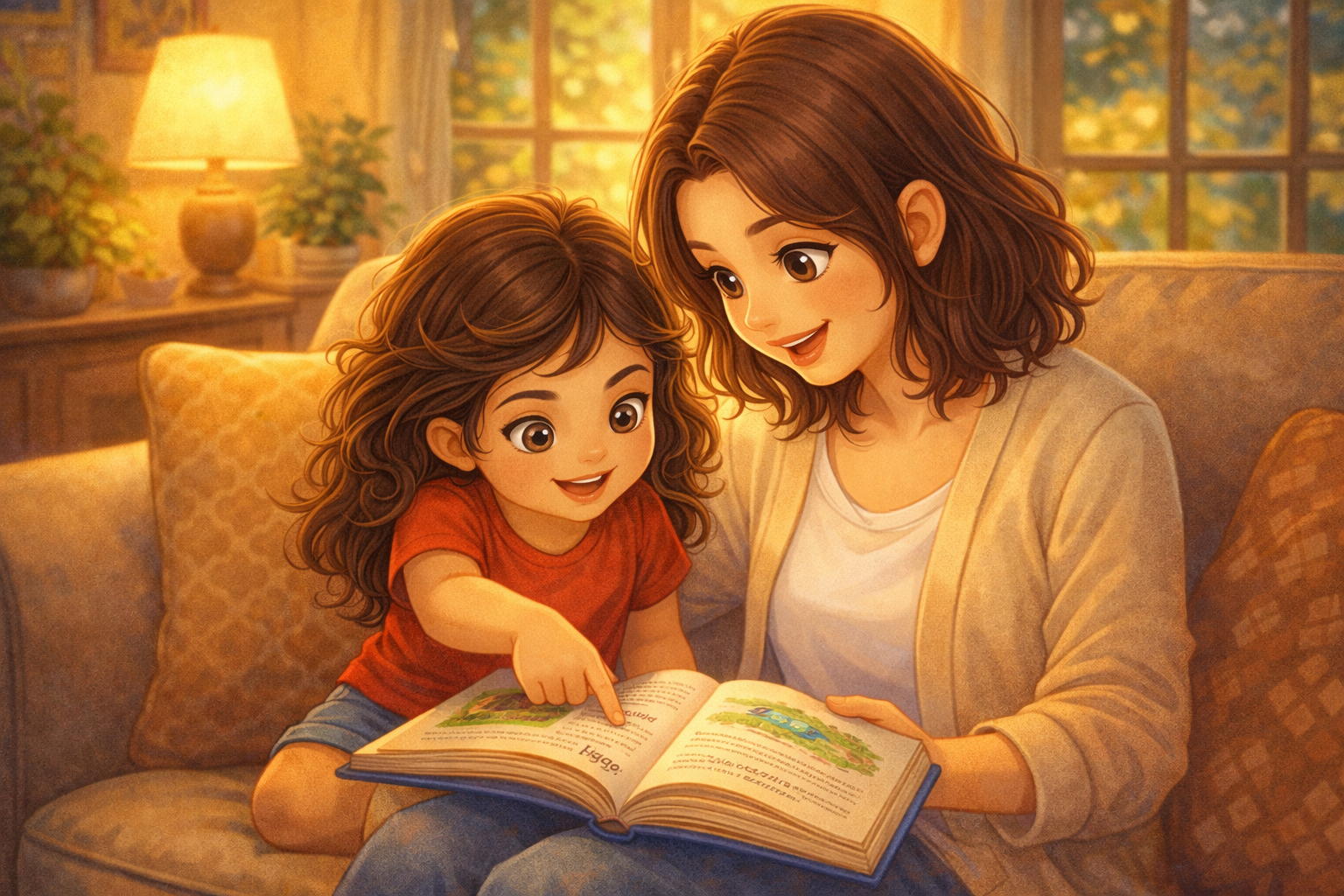
The Five-Finger Rule
This simple technique helps children self-select appropriate books:
- Have your child open to a random page and start reading
- Each time they encounter an unknown word, they put up one finger
- 0-1 fingers: Too easy (great for building confidence and fluency)
- 2-3 fingers: Just right (ideal for independent reading)
- 4-5 fingers: Too hard (save for read-aloud time with you)
This empowers children to make their own choices while learning to recognize their own reading level.
Understanding Reading Levels
First grade readers typically progress through several levels throughout the year. While different schools use different systems (Guided Reading levels, Lexile scores, DRA levels), they all measure similar skills. Most first graders begin the year around Guided Reading levels C-E and end around levels H-J.
However, don't get too caught up in levels. A child who loves dinosaurs might read a level J dinosaur book with more engagement and comprehension than a level F book about a topic that doesn't interest them. Motivation matters enormously.
The Power of Personal Connection
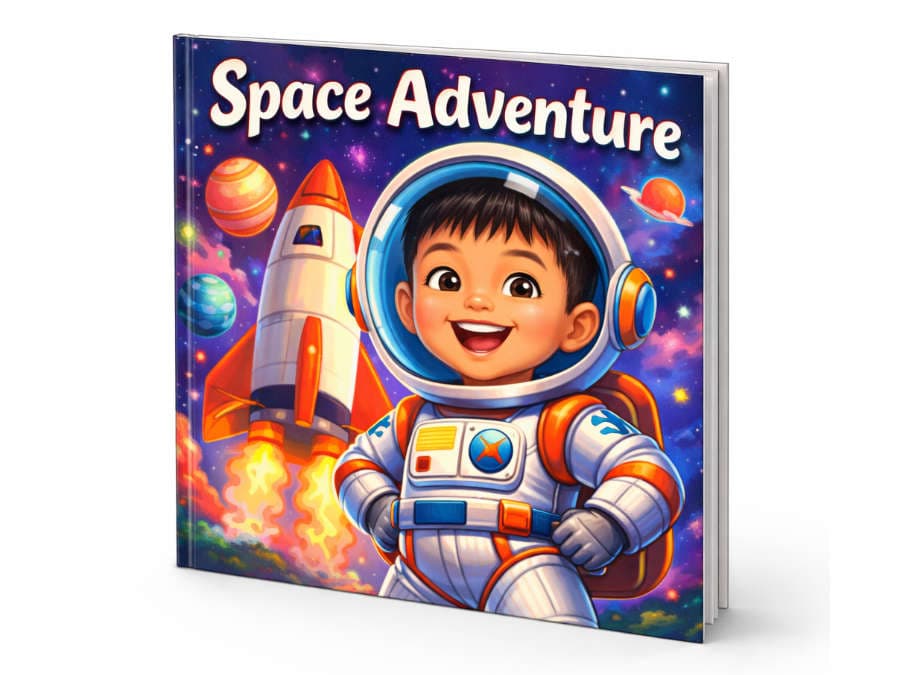
This is where personalized books create something special. When children see themselves as the hero of the story—with their actual interests, personality traits, and even physical characteristics woven into the narrative—engagement skyrockets. A child who struggles with motivation might read their personalized space adventure ten times, building fluency and confidence with each reading, simply because it's about them.
Research shows that personal relevance is one of the strongest predictors of reading engagement. When you create a personalized book that mirrors your child's world back to them, you're not just giving them a story—you're giving them a reason to practice reading that feels meaningful rather than mandatory.
Supporting Emerging Independent Readers
The transition to independent reading is gradual and requires different support than earlier reading stages. Your role shifts from doing most of the reading to being a supportive coach on the sidelines.
Create a Reading-Friendly Environment
Set your child up for success with the right conditions:
- Quiet space: Minimize distractions, especially screens and background noise
- Good lighting: Adequate light reduces eye strain and fatigue
- Comfortable seating: A cozy reading nook makes reading feel special, not like homework
- Accessible books: Keep books at child height where they can browse and choose independently
- Routine: Consistent daily reading time (even just 15-20 minutes) builds the habit
The Balance Between Independence and Support
Six-year-olds need you nearby but not hovering. Try these approaches:
Shared reading time: Sit together, each reading your own book. Your child sees you modeling reading for pleasure while knowing you're available if they need help.
The "wait time" rule: When your child encounters an unknown word, count to five silently before offering help. Many children will self-correct or figure it out if given a moment.
Strategic questioning: Instead of immediately providing unknown words, ask: "What would make sense there?" or "Look at the picture—what do you think that word might be?" or "What sound does it start with?"
Celebrate effort over perfection: "I love how you went back and fixed that word when it didn't make sense" is more valuable than "You read that perfectly."
When to Step In
If your child is struggling with more than one word per sentence, the book is too hard for independent reading right now. Don't let them struggle through frustration—either read it together as a shared book, or save it for later. Reading should feel challenging but achievable, not defeating.
Addressing Common Reading Struggles with Encouragement
Most first graders hit bumps in their reading journey. How you respond to these challenges shapes their relationship with reading for years to come.
"I Can't Read This!" (Confidence Issues)
Some children develop reading anxiety, convinced they "can't" read even when they're making normal progress. This often stems from comparison to peers or siblings.
What helps:
- Focus on their individual progress: "Look how many more words you know than last month!"
- Provide books guaranteed to succeed—even if they're "below level"—to rebuild confidence
- Share stories of your own learning struggles and how practice helped
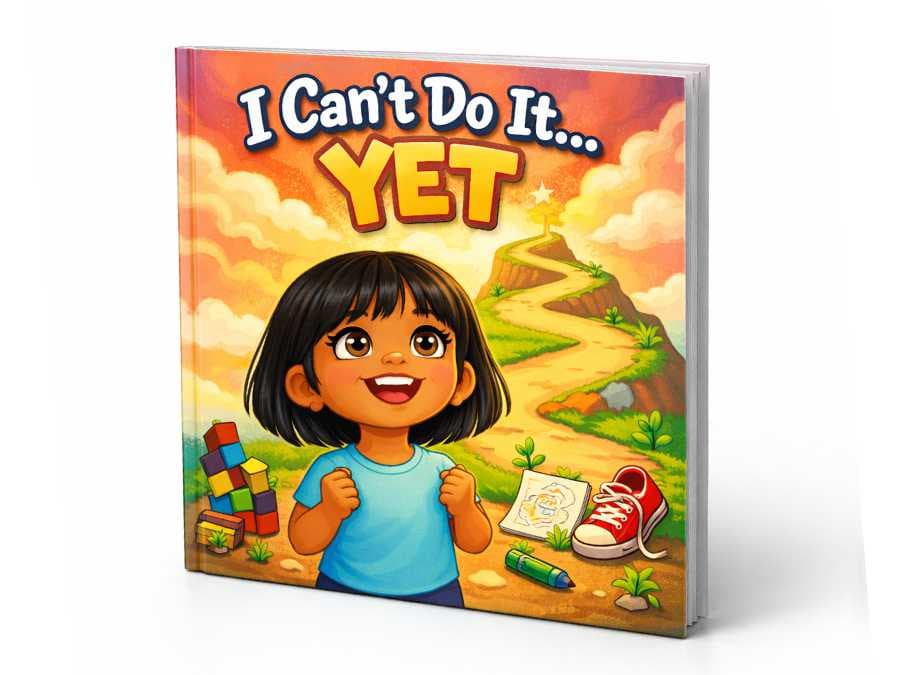
- Consider books like our "I Can't Do It... YET" story, which teaches growth mindset through a personalized narrative about persistence and self-belief
- Never compare to siblings or classmates—every reader's journey is unique
Reluctant Readers
"I don't want to read" is common, especially for children who find decoding challenging or haven't yet discovered books they love.
What helps:
- Let them choose their own books, even if it's the same book repeatedly or a topic you find boring
- Count all reading: cereal boxes, video game instructions, road signs, comic books
- Try different formats: graphic novels, joke books, magazines, audiobooks paired with physical books
- Make reading social: book clubs with friends, family read-aloud time, reading to younger siblings or pets
- Find their passion and feed it with books—dinosaurs, space, princesses, trucks, whatever lights them up
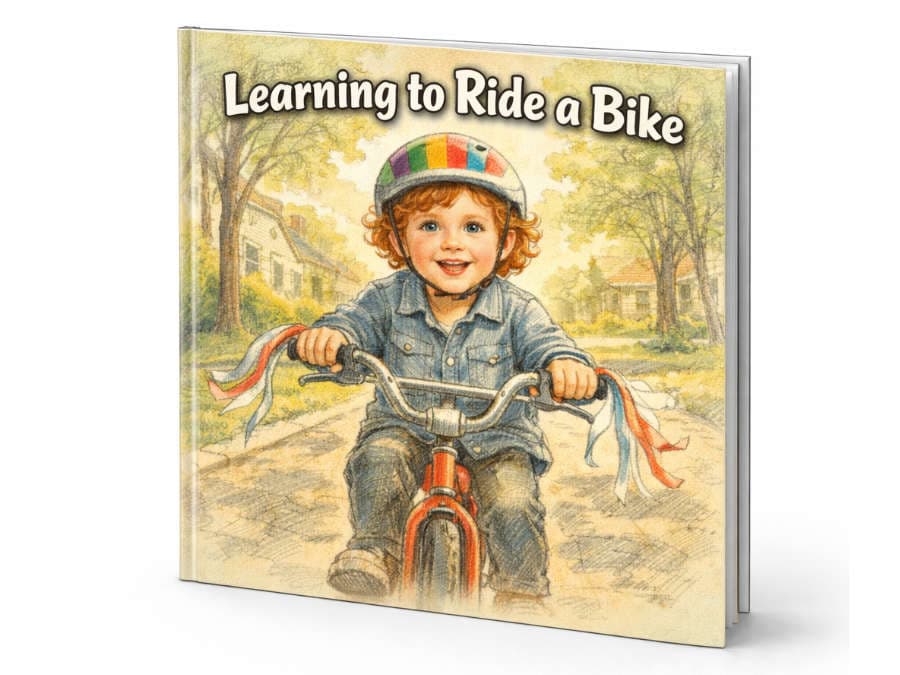
Personalized books can be particularly powerful for reluctant readers because they provide intrinsic motivation. When you browse our collection and find a story that weaves your child's specific interests into the narrative—whether that's their love of dinosaurs, their recent achievement learning to ride a bike, or their big feelings—you're giving them a book they actually want to read, not just one they're supposed to read.
Guessing Instead of Decoding
Some children develop a habit of guessing at words based on context or pictures rather than actually reading them. While using context clues is a valuable skill, it shouldn't replace decoding.
What helps:
- Cover illustrations temporarily to encourage focus on words
- Point to words as they read to ensure they're looking at print, not just memorizing
- Practice phonics skills separately from reading time through games and activities
- Praise accurate decoding: "I noticed you sounded that word out carefully"
Reading Without Comprehension
Some children can decode words accurately but struggle to understand what they've read—they're so focused on sounding out words that meaning gets lost.
What helps:
- Pause frequently to discuss: "What just happened?" "What do you think will happen next?"
- Have them retell the story in their own words
- Connect to their experiences: "Have you ever felt like that character?"
- Choose books slightly below their decoding level so they can focus on meaning
- Act out stories or draw pictures of what happened
Your child could be the star of their own story
Personalized books with their name, their face, and the people they love. Preview it free — no payment needed.
Start a Free PreviewThe Role of Read-Alouds in First Grade
Just because your child is learning to read independently doesn't mean you should stop reading aloud to them. In fact, read-aloud time becomes even more valuable during the first grade year.
When you read aloud, you can share books above your child's independent reading level, exposing them to richer vocabulary, more complex sentence structures, and sophisticated story elements they'll eventually read themselves. This builds comprehension skills, expands their understanding of what books can be, and maintains the emotional connection between reading and quality time with you.
Aim for at least 15-20 minutes of read-aloud time daily, separate from their independent reading practice. This is also the perfect time to share personalized books that might be slightly challenging for them to read alone but that they'll love hearing about themselves.
Building a Love of Reading That Lasts
The ultimate goal of reading for 6-year-olds isn't just skill development—it's fostering a lifelong love of reading. Children who see reading as a joyful activity rather than a chore become stronger readers faster and maintain those skills throughout life.
Here's what builds reading love:
- Choice: Let them pick their own books, even if it's the same book 47 times
- Variety: Offer diverse formats, genres, and topics
- Connection: Make reading a warm, positive time together, not a battle
- Celebration: Notice and celebrate reading moments, not just reading achievements
- Modeling: Let them see you reading for pleasure
- Relevance: Provide books that reflect their world, interests, and identity
This is where personalized books offer something truly special. When a child opens a book and sees themselves—not just their name inserted into a template, but their actual personality, interests, and unique traits woven into an original story—it sends a powerful message: "You are worthy of being the hero. Your story matters." That feeling of being truly seen builds not just reading skills, but confidence and self-worth.
When to Seek Additional Support
While reading development varies widely, certain signs suggest a child might benefit from additional evaluation or support:
- Difficulty remembering letter sounds despite repeated practice
- Inability to blend simple sounds (c-a-t) into words by mid-first grade
- Extreme frustration or avoidance of all reading activities
- No progress over several months despite consistent practice
- Difficulty tracking words on a page or frequent loss of place
- Family history of reading difficulties or dyslexia
If you notice these patterns, talk to your child's teacher. Early intervention makes an enormous difference. Many children who struggle in first grade catch up completely with appropriate support—but the earlier that support begins, the better.
Celebrating the Journey
Your six-year-old is in the midst of one of the most remarkable cognitive achievements of childhood: learning to read. Some days will bring breakthrough moments when suddenly a word clicks or a whole page flows smoothly. Other days will bring frustration and tears. Both are part of the journey.
What matters most isn't whether they're reading at level J or level F in January of first grade. What matters is that they're making progress, that reading feels like something they can do (even when it's hard), and that books remain a source of joy rather than just a source of work.
By choosing books at the right level, providing supportive encouragement, celebrating effort over perfection, and connecting reading to your child's unique interests and identity, you're building not just a reader, but a confident, capable person who knows that challenges can be overcome and that their story—their whole world—matters.
Looking for books that will genuinely excite your emerging reader? Create a personalized story where your child's personality, interests, and unique traits become the heart of an original adventure they'll want to read again and again.