If you're wondering what to expect from your 3 year-old reading journey, you're not alone. These early years are magical—full of curiosity, language explosions, and the first sparks of literacy. Understanding what's developmentally appropriate for 3-year-old reading helps you support your child without pressure, turning story time into a foundation for lifelong learning.
What to Expect: 3 Year-Old Reading Milestones
Let's start with what's actually normal. At three years old, children aren't typically reading independently—and that's perfectly okay. What they are doing is building the essential pre-reading skills that make actual reading possible later.
Typical 3-Year-Old Reading Level
Most three-year-olds are in what literacy experts call the "emergent literacy" stage. Here's what that looks like in real life:
- Recognizes familiar book covers and can request favorites by name ("Read the dinosaur book!")
- Understands that print carries meaning—they know those squiggles on the page tell the story
- Holds books correctly and knows to turn pages from front to back
- Can "read" familiar books by memory, often with impressive accuracy
- Recognizes some letters, especially those in their own name
- Understands basic story structure—beginning, middle, end
- Asks questions about pictures and story events
- Retells simple stories in their own words
Some three-year-olds may recognize a handful of sight words (like their name, "mom," "dad," or "stop"), but this varies widely. The key insight? Reading for toddlers is about engagement, not decoding.
The Language Explosion at Age Three
What makes three such a pivotal age for literacy development is the incredible language growth happening simultaneously. Most three-year-olds:
- Use 200-1,000+ words (with huge individual variation)
- Speak in 3-5 word sentences
- Ask endless "why?" questions
- Understand much more than they can say
- Love rhymes, songs, and repetitive language
This language foundation is directly building reading skills. Every conversation, every story, every silly rhyme is wiring their brain for literacy.
Age-Appropriate Reading Activities for 3-Year-Olds
The best reading activities for three-year-olds don't feel like "learning"—they feel like play. Here are research-backed activities that actually work:
Interactive Read-Alouds
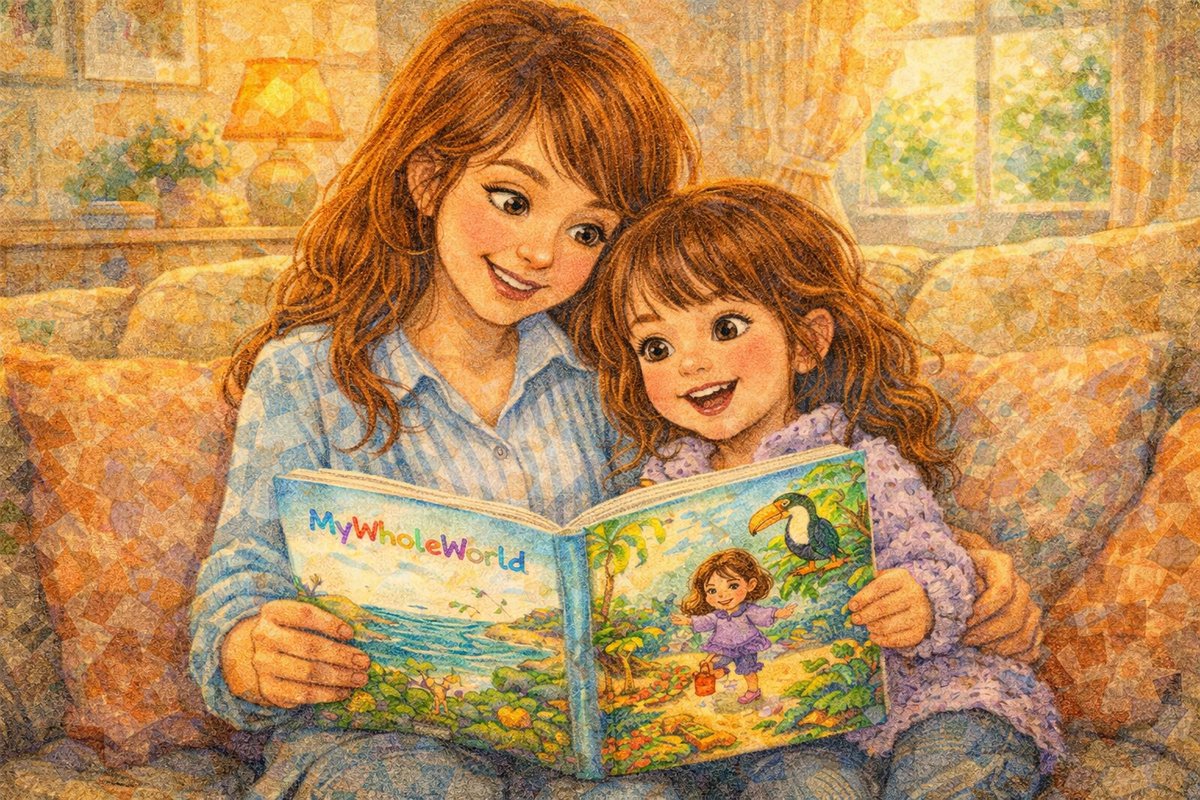
This is the gold standard for 3-year-old reading development. Instead of just reading to your child, you're reading with them:
- Pause and predict: "What do you think will happen next?"
- Point to pictures: "Can you find the blue bird?"
- Connect to their life: "Remember when we saw a fire truck like that?"
- Let them fill in words: In familiar books, pause before rhyming words or repeated phrases
- Follow their interests: If they want to talk about one illustration for five minutes, that's perfect
Research shows that interactive reading builds vocabulary and comprehension far more effectively than passive listening. And when the book reflects your child's own world? The engagement multiplies. That's why parents often create a personalized book that features their child's actual interests, appearance, and personality—it transforms story time from something you do to them into something that's genuinely about them.
Letter Recognition Games
Make letters part of everyday life without flashcard pressure:
- Name recognition: Point out your child's name everywhere—on their cubby, their artwork, in books
- Environmental print: Read signs together—stop signs, store names, cereal boxes
- Letter hunts: "Can you find something that starts with 'B'?"
- Magnetic letters: Let them play with letters on the fridge while you cook
- Alphabet books: Choose ones with clear pictures and letters they can trace with their finger
Rhyme and Rhythm Activities
Phonological awareness (hearing sounds in words) is a critical pre-reading skill, and three-year-olds develop it through play:
- Nursery rhymes: The classics work because they're packed with rhyme and rhythm
- Silly rhyming games: "Let's think of words that rhyme with 'cat'—hat, bat, sat, splat!"
- Clapping syllables: Clap out the beats in their name or favorite words
- Sound matching: "What else starts with the 'sss' sound like 'snake'?"
Storytelling and Retelling
Comprehension starts with understanding story structure:
- Act out stories: Use stuffed animals or puppets to retell favorite tales
- Make up stories together: "Once upon a time, there was a girl named [your child's name] who found a magic..."
- Sequence cards: Use pictures to put story events in order
- "Read" to you: Let them "read" a familiar book to you, stuffed animals, or younger siblings
Choosing the Right Books for 3-Year-Old Reading
Not all books are created equal for this age. Here's what to look for:
Characteristics of Great Books for Three-Year-Olds
- Clear, engaging illustrations that tell part of the story
- Repetitive phrases they can anticipate and "read" along
- Simple plots with clear cause and effect
- Relatable characters and situations from their world
- Rhyme and rhythm that make language memorable
- Interactive elements—flaps, textures, or questions
- Length appropriate to attention span—usually 10-20 pages
Book Recommendations by Interest
For the dinosaur-obsessed: Look for books with accurate dinosaur names and clear illustrations. Simple facts mixed with story work beautifully at this age.
For the vehicle enthusiast: Books about trucks, trains, and construction equipment with sound words ("beep beep!" "chug chug!") are endlessly engaging.
For the animal lover: Stories about pets, farm animals, or zoo animals with repetitive animal sounds support both reading and language development.
For the child navigating big feelings: Books that name emotions and show characters working through challenges build both literacy and emotional intelligence.
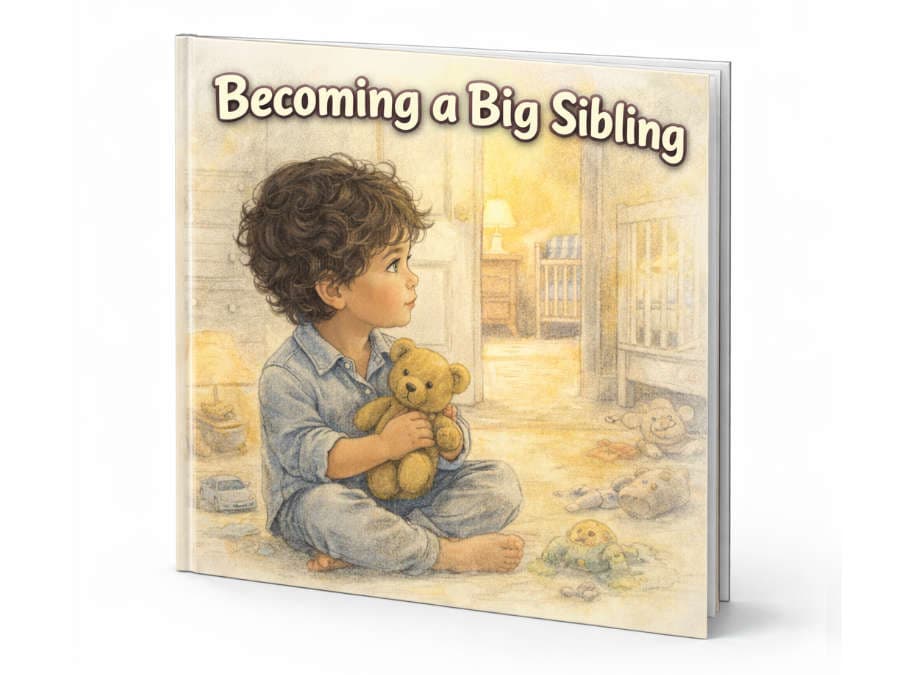
For milestone moments: Books about potty training, starting preschool, or becoming a big sibling help children process their own experiences through story.
The Power of Personalization
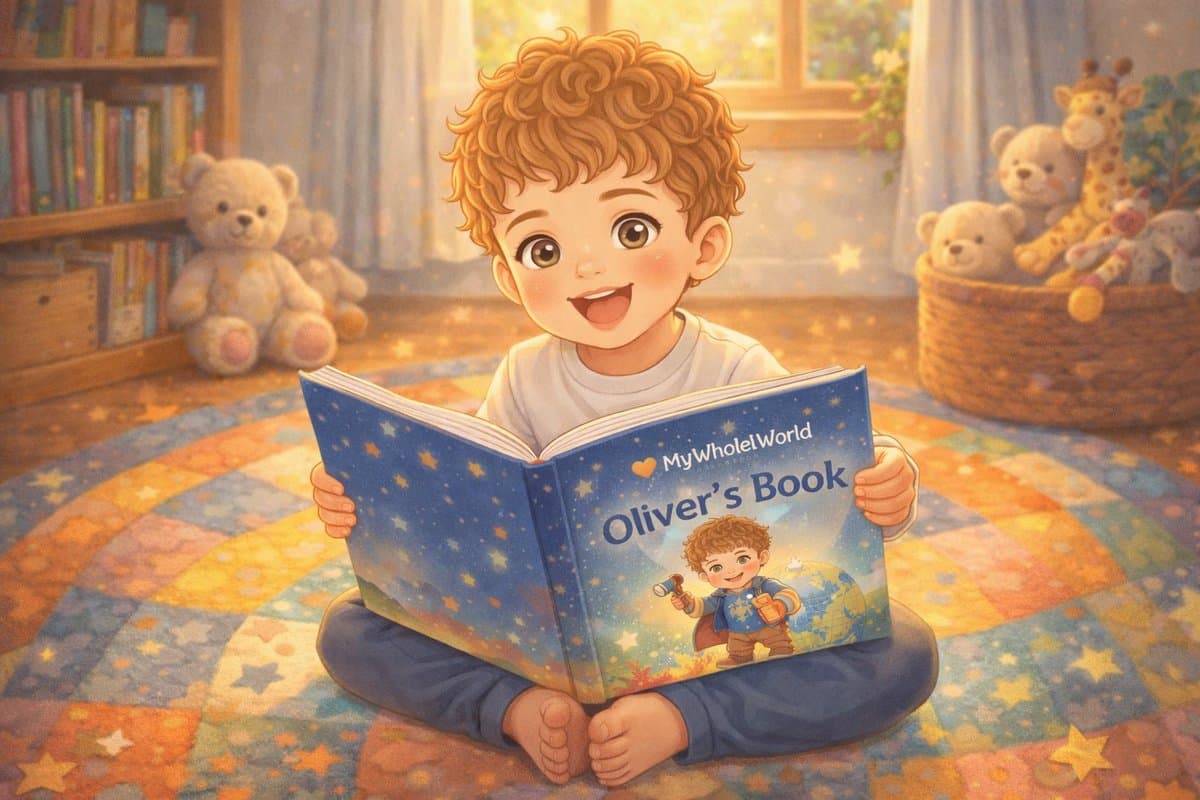
Here's something fascinating that parents consistently report: children request personalized books significantly more often than even their favorite traditional books. When a three-year-old sees themselves as the hero of the story—not just their name inserted, but their actual personality, interests, and appearance woven into an original narrative—something clicks.
It's the difference between "this book has my name in it" and "this book is actually about ME." That recognition drives engagement, and engagement drives literacy development. You can browse our collection to see how personalization goes beyond simple name insertion to create stories that mirror your child's whole world back to them.
Your child could be the star of their own story
Personalized books with their name, their face, and the people they love. Preview it free — no payment needed.
Start a Free PreviewSupporting 3-Year-Old Reading Without Pressure
The most important thing you can do for your 3-year-old reading development? Keep it joyful. Here's how:
Follow Their Lead
If your three-year-old wants to read the same book 47 times in a row, that's not boring—that's brilliant. Repetition is how young children learn. They're noticing new details, predicting what comes next, and building neural pathways with every reading.
Similarly, if they want to skip pages, talk about illustrations instead of following the text, or abandon a book halfway through, that's okay too. The goal is building positive associations with books, not completing every story.
Make It Part of Your Routine
Consistency matters more than duration. Even 10-15 minutes of daily reading creates powerful habits:
- Bedtime stories signal wind-down time and create cozy associations
- Morning books can ease transitions and start the day calmly
- Waiting time books (doctor's office, restaurant) make books the go-to instead of screens
- Sibling reading time where older kids "read" to younger ones builds skills for both
Model Reading Yourself
Three-year-olds are incredible mimics. When they see you reading for pleasure—books, magazines, even your phone if you're reading articles—they internalize that reading is something valued adults do.
Narrate your own reading: "I'm reading this recipe so I know how to make your favorite cookies," or "This article is teaching me about whales!"
Create a Book-Rich Environment
Make books accessible and appealing:
- Forward-facing book displays so they can see covers, not just spines
- Books in every room—bathroom books, car books, kitchen books
- Cozy reading spots with good lighting and comfortable seating
- Regular library visits where they choose their own books
- Book rotation to keep the selection fresh without overwhelming
When to Seek Support
While there's huge variation in normal 3-year-old reading development, a few signs might warrant a conversation with your pediatrician:
- No interest in books whatsoever, even with engaging, interactive options
- Difficulty sitting still for even very short books (under 2 minutes)
- Not understanding that print carries meaning by age 3.5-4
- Significant speech delays that might impact literacy development
- Inability to follow simple stories or answer basic questions about them
Remember: early intervention, if needed, is incredibly effective. But most three-year-olds are exactly where they need to be—building the foundation for reading through play, conversation, and lots of stories.
The Long View: Building Lifelong Readers
Your three-year-old won't remember whether they could recognize 5 letters or 15 at this age. But they will remember how books made them feel. They'll remember:
- Snuggling close while you read together
- Laughing at silly rhymes and repeated phrases
- Seeing themselves reflected in stories
- The comfort of familiar books during big transitions
- Your enthusiasm when they point out a letter they recognize
- The magic of getting lost in a story
These emotional memories create readers—not flashcards or pressure or comparison to other children.
The beautiful thing about reading for toddlers is that it's one of the few areas of parenting where the "right" thing to do is also the most enjoyable: read books you both love, talk about them together, and let your child's natural curiosity lead the way.
And when you find books that truly reflect your child back to themselves—books where they're not just a name inserted into a template, but the actual hero of an adventure built around their unique personality—you'll see their eyes light up in a way that makes all those repeated readings worth it.
Ready to see what that looks like? Preview how personalization works to create stories that celebrate exactly who your three-year-old is right now, in this fleeting, magical stage of development.