Finding the right read aloud for first graders can transform your child's relationship with reading forever. At six and seven years old, children are at a magical crossroads—transitioning from learning to read to reading to learn. The books you choose and how you share them during this pivotal year can build confidence, fluency, and a lifelong love of stories.
Why Read Alouds Matter More Than Ever in First Grade
First grade is when the training wheels come off. Your child is sounding out words, recognizing sight words, and starting to read independently. But here's what many parents don't realize: reading for 6-year-olds shouldn't mean you stop reading to them.
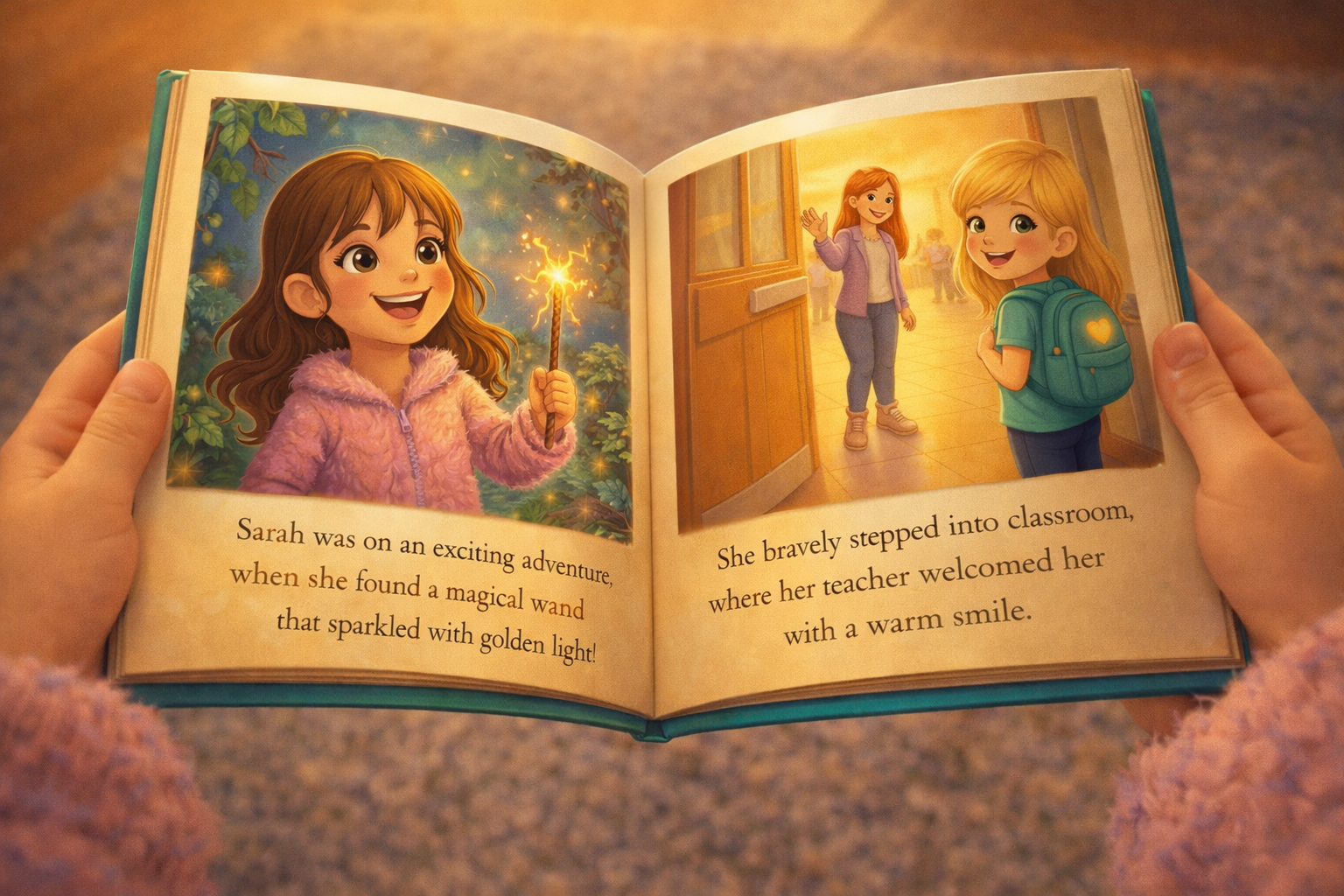
When you read aloud to first graders, you're doing something their independent reading can't yet accomplish—you're exposing them to complex vocabulary, sophisticated sentence structures, and rich narratives that are beyond their current decoding ability but perfectly matched to their comprehension and imagination. A child who can only read "The cat sat on the mat" independently can absolutely understand and be captivated by a story about a dragon keeper learning responsibility or a space explorer discovering courage.
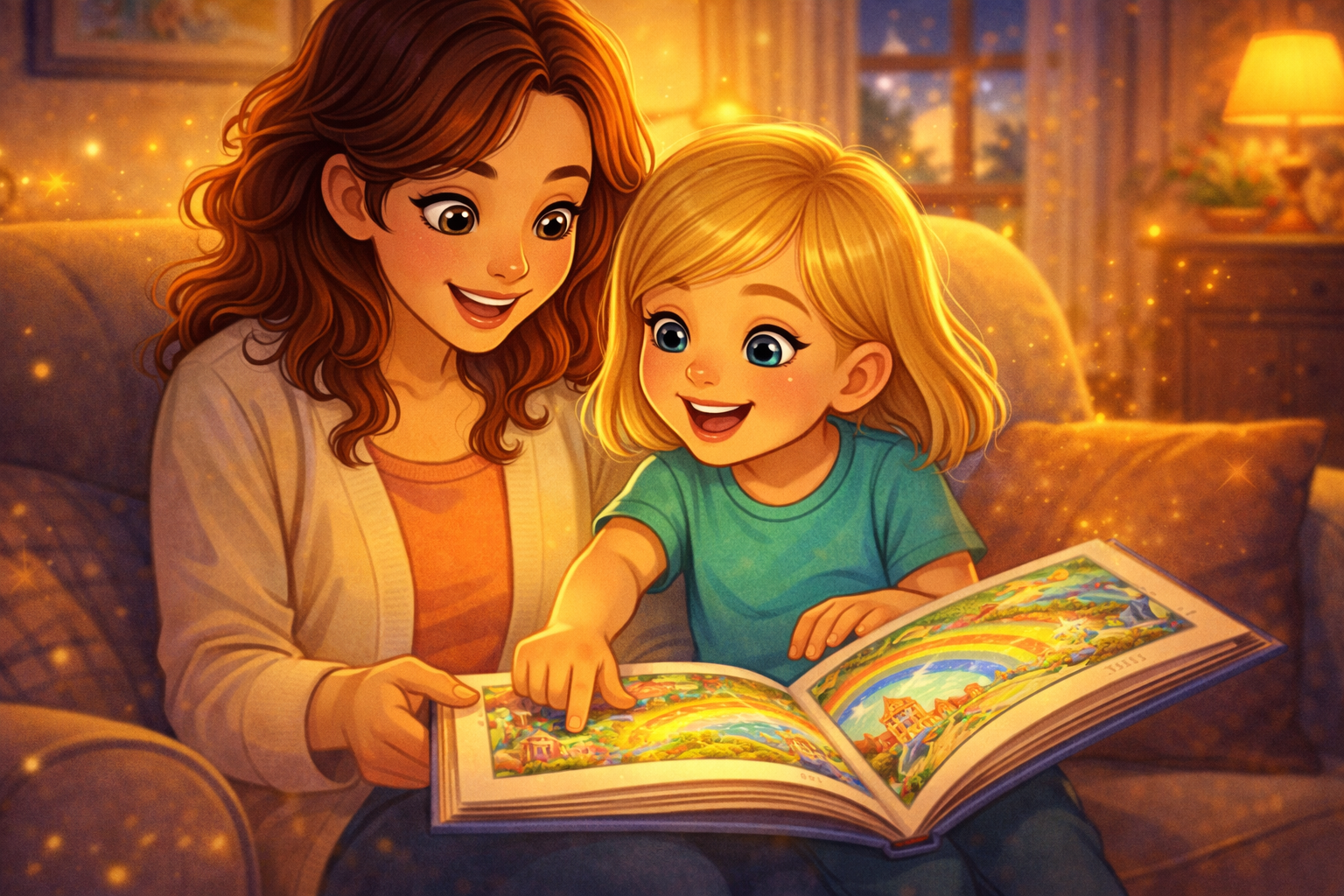
Read alouds also create a pressure-free zone where reading is pure joy, not work. After a day of sounding out words at school, curling up with you and a great story reminds them why all that effort matters. You're building positive associations with books during the exact moment when some children start to see reading as a chore rather than an adventure.
The Confidence Connection
First graders are forming their reading identity right now. They're deciding whether they're "good at reading" or not. When you read aloud books that are engaging and age-appropriate but slightly above their independent level, you're showing them what's possible. You're saying, "This is where you're headed, and it's amazing."
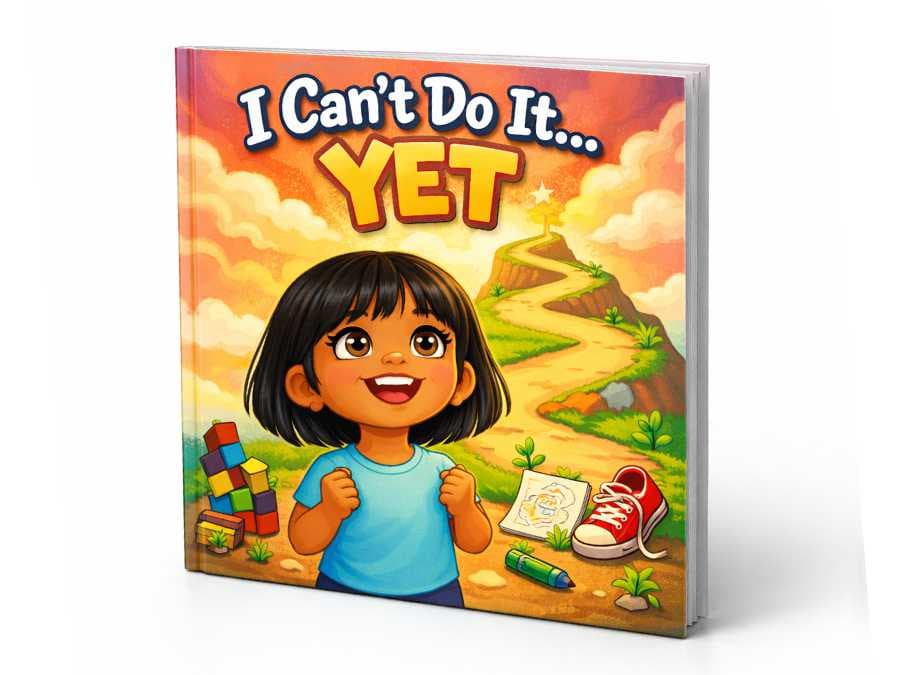
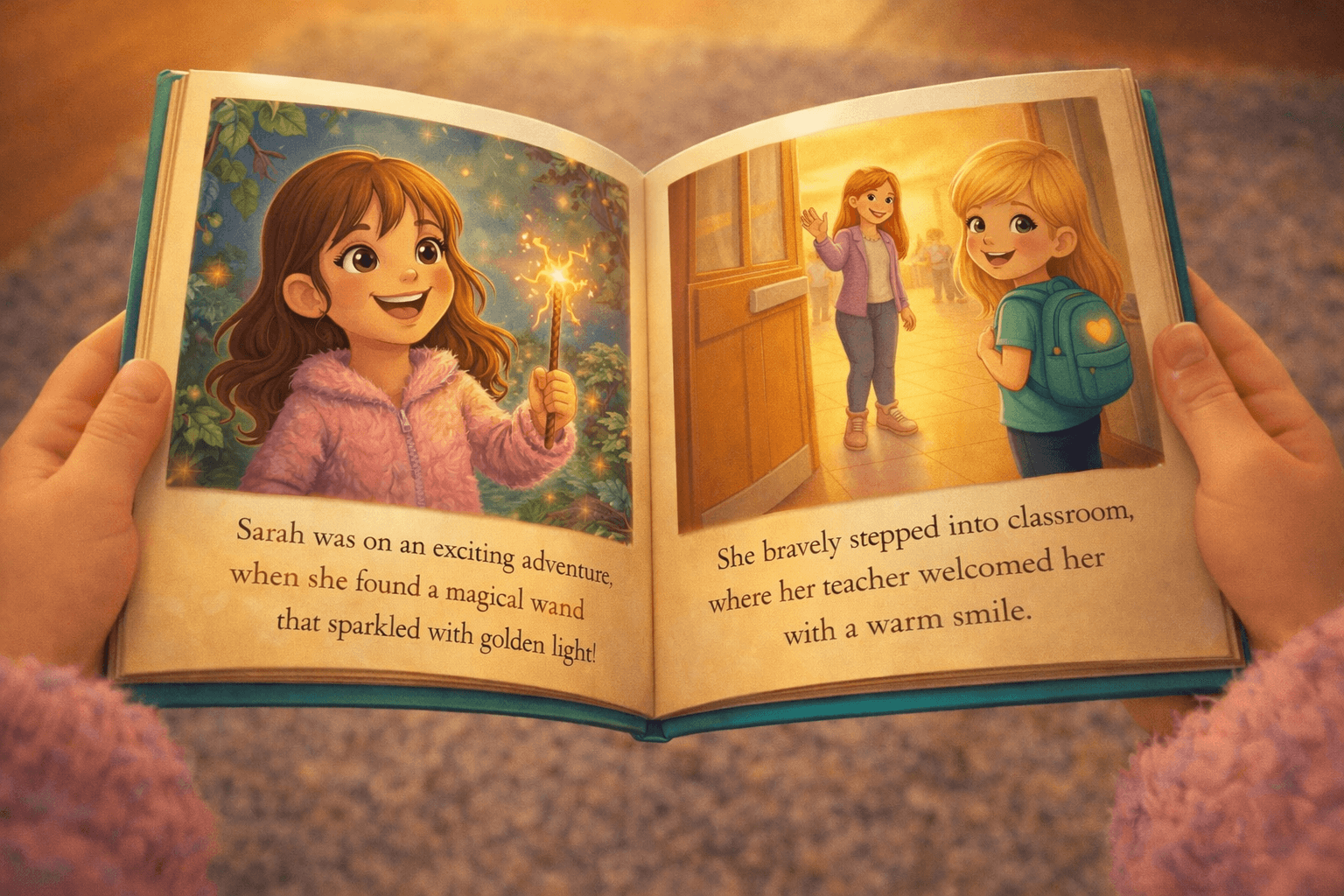
Personalized books take this confidence-building even further. When children see themselves as the hero of the story—not just a character with their name inserted, but truly mirrored in personality, appearance, and interests—something powerful happens. They internalize the message that they belong in stories, that their unique traits make them capable of great things. Our growth mindset adventure helps first graders understand that "I can't do it... yet" is the beginning of every achievement, not the end.
Choosing the Perfect Read Aloud for First Graders
Not all books work equally well as read alouds for this age. Here's what to look for when selecting reading for 6-year-olds:
Story Length and Pacing
First graders have longer attention spans than preschoolers, but they're not ready for chapter books that take weeks to finish. Look for books that can be completed in one sitting (10-20 minutes) or have clear chapter breaks that create natural stopping points. Picture books with substantial text work beautifully, as do early chapter books designed for reading aloud.
The pacing should move. Six-year-olds want action, humor, and resolution. They're less patient with slow, descriptive passages than they will be in a few years. Choose stories that grab attention quickly and maintain momentum.
Relatable Characters and Situations
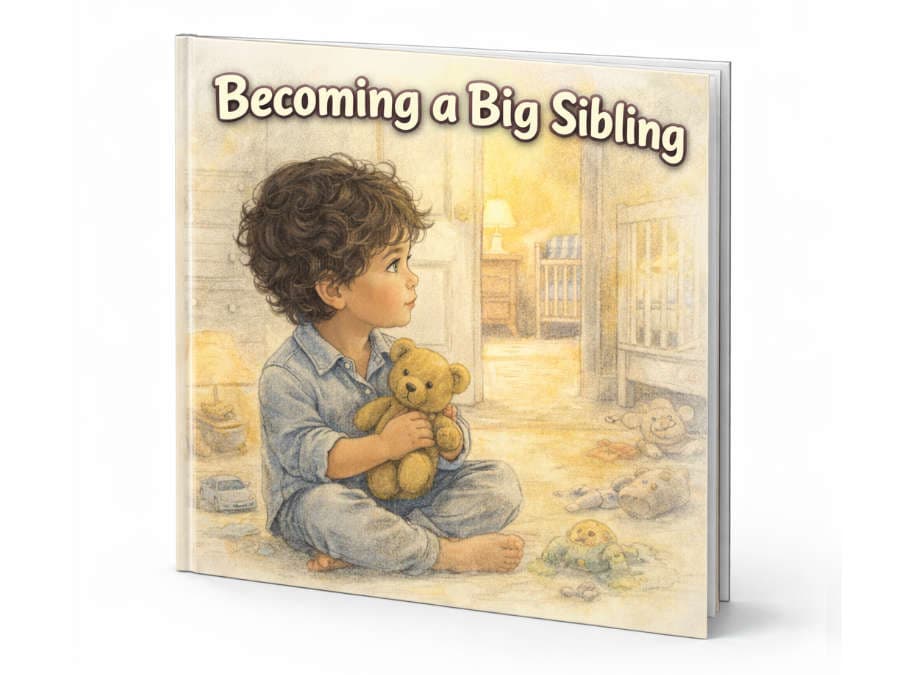
First graders are navigating big transitions—new schools, new friendships, new responsibilities. They connect deeply with characters facing similar challenges. Books about starting school, making friends, or becoming a big sibling resonate because they mirror real life.
But don't limit yourself to realistic fiction. Fantasy and adventure stories work beautifully when the emotional core is relatable. A story about a child taming a dragon is really about learning responsibility and facing fears—themes every first grader understands.
Rich Vocabulary in Context
One of the greatest gifts of read alouds is vocabulary exposure. Choose books that use interesting, varied language but provide enough context clues that new words make sense. When you encounter an unfamiliar word, pause briefly to define it conversationally, then continue. You're building their vocabulary without turning story time into a lesson.
Visual Appeal
First graders still love illustrations. They're not "too old" for picture books—in fact, the interplay between text and images helps them understand how stories work. Look for books with engaging, detailed illustrations that reward close looking and support comprehension.
Building a Read Aloud Routine That Sticks
Consistency matters more than duration. A predictable first grade reading routine creates a comforting ritual and ensures reading happens even on chaotic days.
The Best Times for Read Alouds
Bedtime remains the classic choice for good reason. It's a natural wind-down activity, and the cozy, one-on-one time strengthens your bond. Just be aware that exciting adventure stories might energize rather than calm—save those for other times of day.
After school works beautifully as a transition activity. Your first grader has been "on" all day, following directions and working hard. Twenty minutes of snuggling with a good story helps them decompress and reconnect with you.
Morning reading surprises many parents with how well it works. If you can carve out 10-15 minutes before school, you send your child off with a positive, connected start to the day. Keep a special basket of shorter books just for morning reading.
Making It Interactive Without Interrupting Flow
First graders love to participate, but constant interruptions can kill the story's momentum. Here's the balance: welcome their observations and questions, but gently guide them to save longer discussions for after the story. "Great question! Let's finish this chapter and then talk about it."
Do pause for genuine engagement moments—when something funny happens, laugh together. When something is surprising, exchange a look. When a character makes a choice, occasionally ask, "What would you do?" These micro-interactions keep them engaged without derailing the narrative.
The Power of Rereading
When your first grader asks for the same book for the 47th time, that's not boring—that's brain development. Rereading builds fluency, deepens comprehension, and creates the comfort of predictability. Each time through, they notice new details, understand more nuances, and gain confidence.
This is where personalized books truly shine. Children request their personalized stories over and over because seeing themselves as the hero never gets old. Parents report their MyWholeWorld books being read an average of 127 times in the first year—not because the child can't find other books, but because stories that truly mirror them back create a unique kind of magic.
Book Recommendations by Reading Development Stage
Not all first graders are at the same reading level, and that's completely normal. Here's how to choose read alouds based on where your child is in their 6 year old reading journey:
For Emerging Readers (Just Starting to Decode)
These children are working hard on letter sounds and simple words. For read alouds, choose books with:
- Repetitive phrases they can chime in on, building confidence
- Rhyme and rhythm that make language playful
- Clear story arcs with satisfying resolutions
- Illustrations that support the text so they can follow along visually
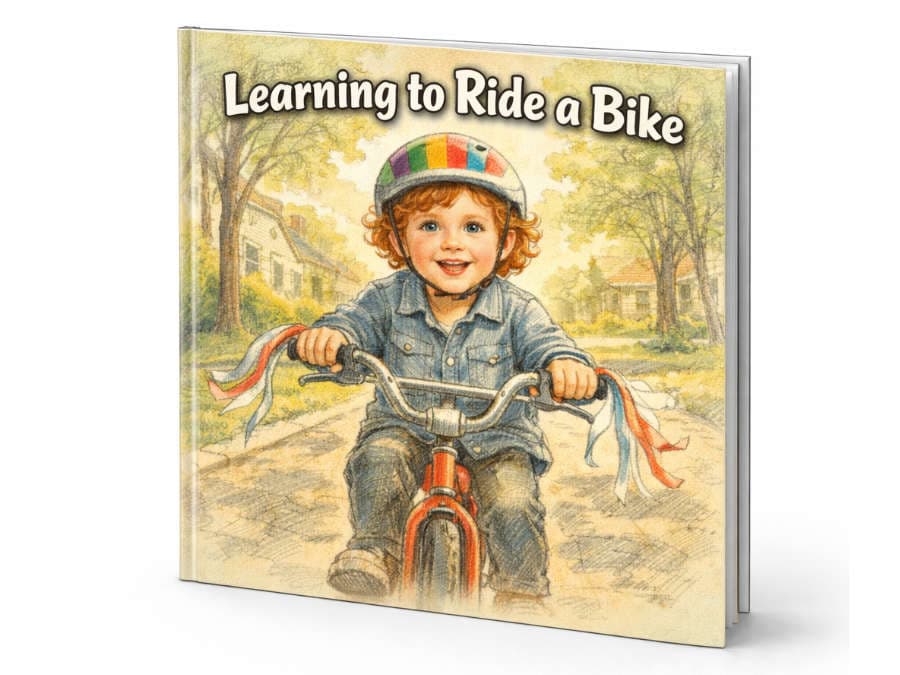
Consider books that celebrate small victories and growing up, like stories about losing a first tooth or learning to ride a bike. These milestones resonate with first graders and reinforce that growing up happens one small step at a time.
For Developing Readers (Building Fluency)
These children can decode many words but still need practice with fluency and expression. For read alouds, choose books with:
- Dialogue-heavy passages where you can model different character voices
- Slightly longer sentences that demonstrate how good readers group words into meaningful phrases
- Chapter structure that builds anticipation and teaches story organization
- Emotional depth that invites discussion about characters' feelings and motivations
Books about managing emotions work particularly well at this stage. Stories about big feelings give you natural opportunities to pause and discuss, helping your child build both reading comprehension and emotional intelligence.
For Advancing Readers (Reading Independently)
These first graders can read many books on their own, but read alouds still serve a crucial purpose—exposing them to more complex literature than they'd choose independently. For read alouds, choose books with:
- Rich vocabulary that expands their word knowledge
- Complex plots with multiple story threads
- Subtle themes that invite deeper thinking
- Longer formats like chapter books you can enjoy together over several days
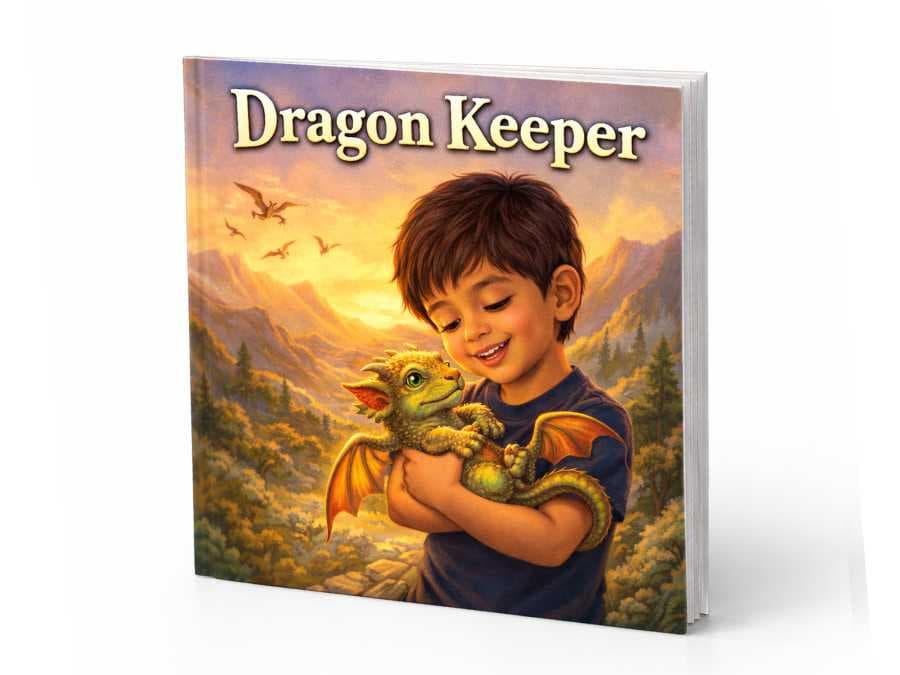
Adventure stories with meaningful themes work beautifully here. Our Dragon Keeper adventure explores responsibility and learning to let go—sophisticated concepts wrapped in an engaging fantasy narrative.
Your child could be the star of their own story
Personalized books with their name, their face, and the people they love. Preview it free — no payment needed.
Start a Free PreviewBeyond the Books: Building Reading Confidence
The best read aloud routine does more than expose children to great stories—it builds their identity as readers and learners.
Create a Reading-Rich Environment
Make books visible and accessible throughout your home. A basket of current favorites in the living room, a shelf of options in their bedroom, even a few books in the car for waiting time. When books are everywhere, reading becomes a natural choice rather than a special activity.
Let your first grader see you reading for pleasure. Children who see parents reading books, magazines, or even articles on their phones understand that reading isn't just a kid activity—it's something people do throughout life because it's valuable and enjoyable.
Connect Books to Their World
After reading about a character who loves dinosaurs, visit a natural history museum. After a story about kindness, notice and name kind acts you see in real life. These connections show that books aren't separate from life—they illuminate and enrich it.
Personalized books make these connections effortless because the story is already woven from your child's real interests and personality. When the character in the book loves the same things your child loves, faces the same challenges, and celebrates the same victories, every reading reinforces that their experiences matter and their story is worth telling.
Celebrate Progress, Not Perfection
First grade reading development is not linear. Your child will have breakthrough weeks and frustrating plateaus. They'll breeze through some books and struggle with others that seem easier. This is all normal.
Focus on effort and engagement rather than speed or accuracy. "You worked so hard to figure out that tricky word!" matters more than "You read that whole page without mistakes!" You're building a growth mindset around reading—the understanding that challenges are how we learn, not signs that we're not good enough.
When Read Alouds Address Real Challenges
First graders face big emotional and social challenges, and the right read aloud can be a gentle way to process difficult experiences or prepare for upcoming transitions.
Addressing Fears and Anxieties
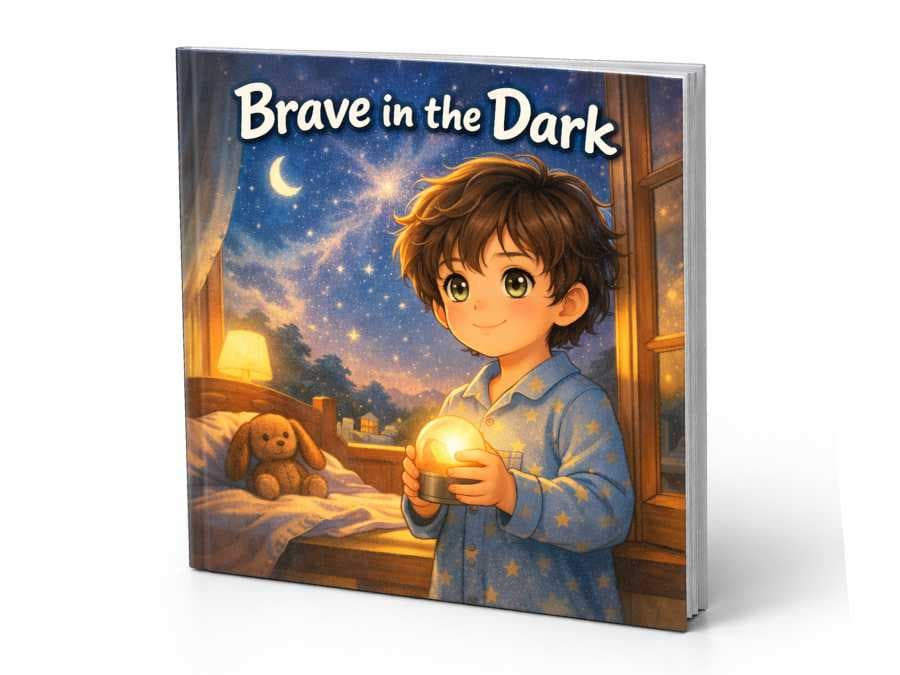
Many six-year-olds develop new fears—of the dark, of being alone, of trying new things. Books that acknowledge these fears while showing characters overcoming them provide both validation and hope. Our Brave in the Dark story helps children understand that courage doesn't mean not being afraid—it means being afraid and doing it anyway.
Navigating Friendship Challenges
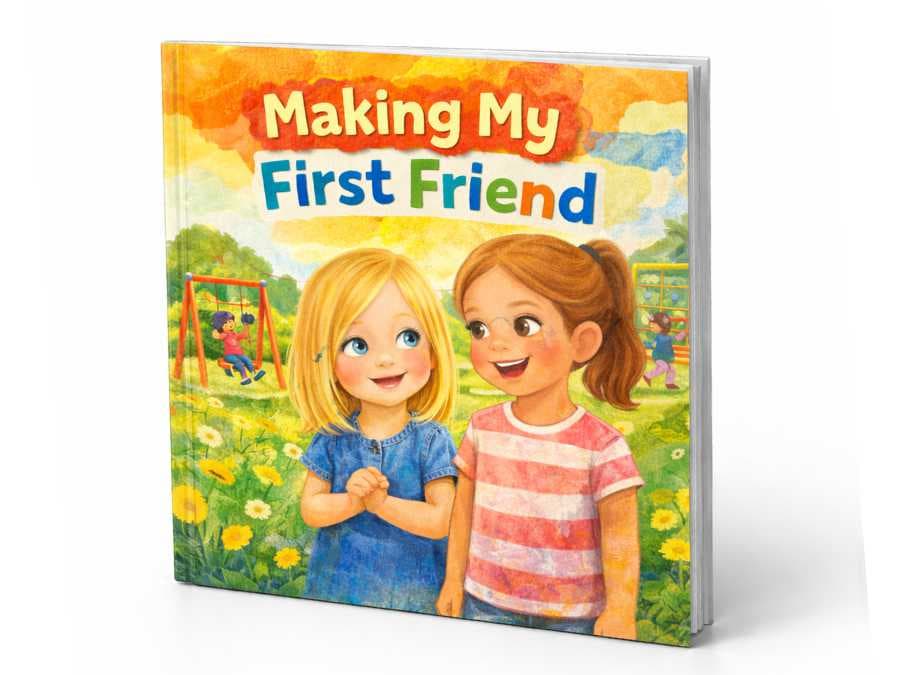
First grade is when peer relationships become increasingly important and complex. Books about making friends, resolving conflicts, and being yourself give you natural opportunities to discuss social situations without lecturing. "What do you think the character could have done differently?" opens conversations that feel safe because they're about the story, not about your child's actual playground drama.
Processing Big Changes
Whether it's moving to a new home, starting at a new school, or welcoming a new sibling, first graders benefit from stories that normalize their mixed feelings about change. These books give them language for their emotions and reassurance that feeling nervous and excited at the same time is perfectly normal.
Making Read Alouds Special Without Adding Stress
You don't need elaborate activities, themed snacks, or craft projects to make read aloud time meaningful. In fact, keeping it simple often works better.
What makes read alouds special is your presence—your full attention, your willingness to be silly with character voices, your genuine interest in your child's reactions and thoughts. Twenty minutes of distraction-free connection beats an hour of reading while checking your phone.
That said, small touches can enhance the ritual: a special reading lamp, a cozy blanket designated just for story time, or letting your child choose a stuffed animal to "listen" along. These simple elements create a sense of occasion without requiring Pinterest-level effort.
When You're Too Tired for Voices and Enthusiasm
Some nights, you're exhausted. You've been "on" all day, and the thought of performing character voices feels impossible. That's okay. Read in your regular voice. Your child still gets the vocabulary exposure, the story, and the closeness. Perfect is not the goal—consistent is.
On particularly depleted evenings, let your first grader "read" to you by describing what's happening in the illustrations. Or reread a familiar favorite where they can chime in with repeated phrases. You're still reading together, still connecting, still building their reading identity.
The Long-Term Impact of First Grade Read Alouds
The books you read aloud this year won't just affect your child's reading skills—they're shaping their relationship with stories, learning, and themselves.
Children who are read to regularly in first grade develop stronger comprehension skills, larger vocabularies, and more sophisticated understanding of story structure. But perhaps more importantly, they develop the belief that they are readers, that books hold treasures worth discovering, and that reading is something people who love them do together.
Years from now, your child might not remember every book you read together. But they'll remember the feeling of being curled up next to you, safe and loved, while stories unfolded. They'll remember that reading was never a chore you imposed but a gift you shared. And they'll carry that foundation with them into every book they encounter for the rest of their lives.
Creating Stories That Truly See Your Child
As you build your read aloud routine, consider including books where your first grader isn't just a reader but the hero of their own adventure. When children see themselves truly reflected in stories—not just their name inserted into a template, but their actual personality, interests, and unique traits woven into the narrative—something powerful happens.
They internalize the message that their story matters. That who they are right now, at six or seven years old, is worth celebrating. That their quirks and interests and the way they see the world aren't just acceptable—they're extraordinary.
At MyWholeWorld, we create personalized books that go beyond name insertion to craft completely original narratives around your child's unique traits. Whether they're cautious observers or fearless explorers, dinosaur enthusiasts or aspiring artists, we build stories where their specific personality becomes the key to solving problems and having adventures. Explore our collection to find stories that will become the ones your first grader requests 127 times—not because they have to, but because seeing themselves as the hero never gets old.
The read alouds you share this year are building more than reading skills. They're building confidence, connection, and a foundation of love for stories that will last a lifetime. Choose books that engage, challenge, and delight. Create routines that feel sustainable, not stressful. And remember: the best read aloud for first graders is the one you actually read together, with presence and joy, tonight and tomorrow and the night after that.