Watching your kindergartener sound out words is magical—but if you've noticed them struggling with reading fluency, you're not alone. Many parents wonder how to help their child move from choppy, word-by-word reading to smooth, confident storytelling. The good news? Kindergarten reading fluency passages, partner reading activities, and consistent practice at home can make a remarkable difference during these critical early literacy years.
Understanding Reading Fluency in Kindergarten
Reading fluency is more than just reading fast—it's the ability to read accurately, at an appropriate pace, and with expression. For kindergarteners (typically ages 5-6), fluency develops gradually as they master letter sounds, blend words, and begin recognizing sight words automatically.
At this age, fluency looks different than it will in later grades. Your kindergartener might:
- Read simple CVC (consonant-vowel-consonant) words like "cat," "dog," and "sun"
- Recognize 25-50 high-frequency sight words by year's end
- Read short, predictable sentences with support
- Use picture clues to help with unfamiliar words
- Begin to read with some expression, especially in familiar books
Remember: kindergarten is a foundation year. Some children will race ahead while others need more time—and both paths are completely normal. The goal isn't perfection; it's building confidence and a love of reading that will carry them through their entire educational journey.
Free Kindergarten Reading Fluency Passages: What to Look For
Kindergarten reading fluency passages are short texts designed specifically for beginning readers. The best passages share several key characteristics that make them perfect for practice at home.

Characteristics of Effective Fluency Passages
When searching for kindergarten reading fluency passages, look for texts that include:
- Decodable words: Passages should primarily use words your child can sound out based on phonics skills they've learned
- High-frequency sight words: Include common words like "the," "and," "is," and "can" that appear repeatedly
- Appropriate length: Start with 3-5 sentences (20-40 words) and gradually increase
- Engaging content: Stories about animals, family, or adventures capture attention better than random word lists
- Repetitive structure: Predictable patterns help build confidence ("I see a cat. I see a dog. I see a bird.")
Where to Find Quality Free Passages
Many educational websites offer free printable fluency passages for kindergarten. Look for resources from:
- Reading A-Z and their leveled book collections
- Teachers Pay Teachers (filter for free resources)
- Scholastic's parent resources section
- Your child's school or district website—many share aligned materials
- Public library websites often have downloadable early reader materials
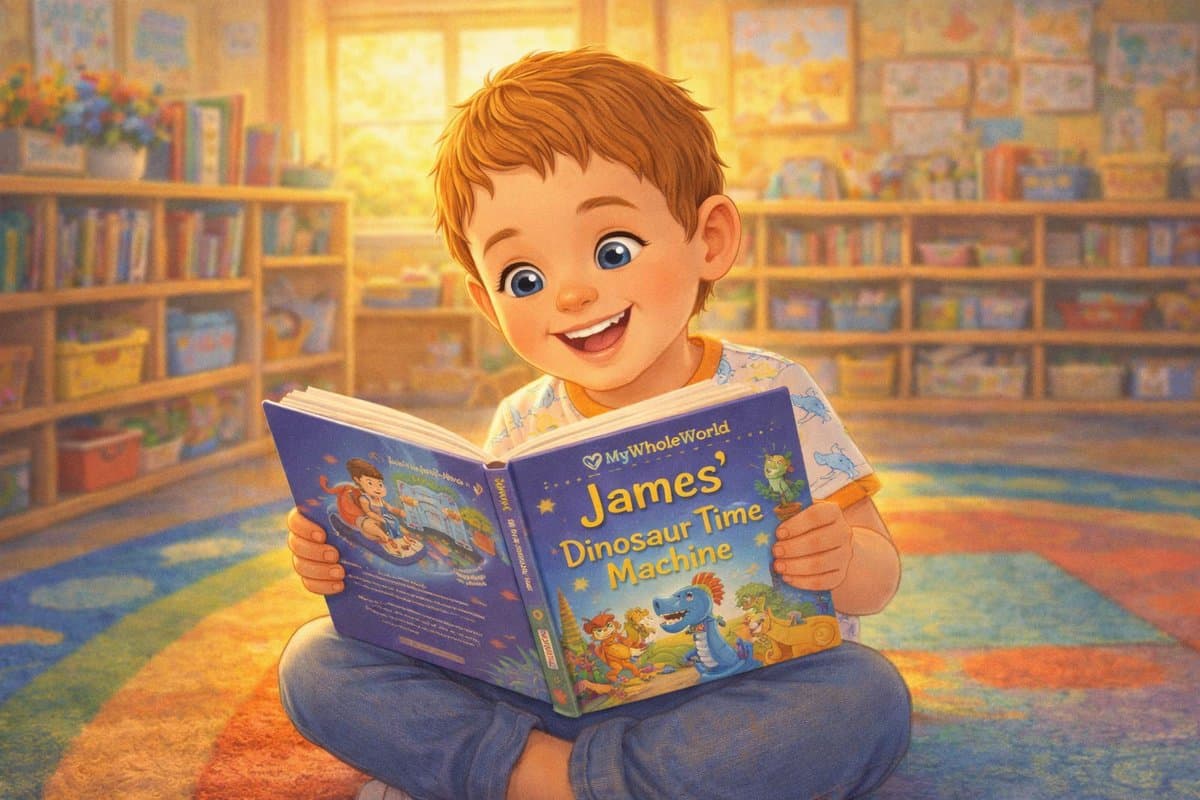
Pro tip: Personalized books where your child is the main character can be incredibly motivating for fluency practice. When children see themselves in the story, they're naturally more invested in reading it again and again—which is exactly what builds fluency. You can create a personalized book that matches your child's reading level and interests, giving them a special text they'll want to practice with repeatedly.
Partner Reading in Kindergarten: A Game-Changing Strategy
Partner reading kindergarten activities transform reading practice from a solitary struggle into a collaborative, confidence-building experience. This approach pairs your child with a reading partner—you, an older sibling, or even a stuffed animal—to share the reading experience.
How to Implement Partner Reading at Home
Partner reading works beautifully at home with these simple strategies:
Echo Reading: You read a sentence with expression, then your child "echoes" it back, mimicking your fluency and intonation. This models what fluent reading sounds like.
Choral Reading: Read together in unison. Your voice provides support while your child practices keeping pace and using expression.
Alternating Reading: Take turns reading pages or sentences. This gives your child breaks while maintaining story momentum.
Pointer Reading: Your child points to each word as you read together, building one-to-one correspondence and tracking skills.
Making Partner Reading Fun
The secret to successful partner reading? Make it feel like special time together, not homework. Try these approaches:
- Create a cozy "reading nest" with pillows and blankets
- Use different voices for different characters
- Let your child "read" to a younger sibling or favorite stuffed animal
- Celebrate small wins: "You read that whole page without stopping!"
- Keep sessions short (10-15 minutes) to maintain enthusiasm
One parent shared: "My daughter was so frustrated with reading until we started partner reading with her big brother. Now she begs for 'reading time' because it feels like playing, not practicing."
Engaging Kindergarten Reading Activities for Home
Beyond formal fluency passages, kindergarten reading activities that feel like play can dramatically improve reading skills. The key is variety—mixing structured practice with joyful, low-pressure reading experiences.
Daily Reading Activities That Build Fluency
Repeated Reading with Purpose: Choose a favorite book and read it multiple times throughout the week. Each reading builds familiarity, allowing your child to focus on fluency rather than decoding. By the fourth or fifth reading, many kindergarteners can "read" the book independently, using memory and picture clues alongside actual reading.
Sight Word Treasure Hunt: Write sight words on sticky notes and hide them around the house. When your child finds one, they read it aloud. This makes practice active and exciting.
Reader's Theater: Act out simple stories together, with your child reading their character's lines. The performance aspect motivates expressive reading.
Reading to Pets or Toys: Children often feel less pressure reading to a non-judgmental audience. Set up a "classroom" where your child teaches their stuffed animals to read.
Audio Book Follow-Along: Play an audio book while your child follows along in the physical book, pointing to words. This builds the connection between spoken and written language.
Technology-Based Reading Activities
While screen time should be limited, some apps genuinely support reading development:
- Epic! offers thousands of leveled books with read-to-me options
- Starfall provides phonics-based reading games and stories
- Homer personalizes reading lessons to your child's level
- Reading Eggs combines games with systematic phonics instruction
Set a timer for 15-20 minutes and make it a special privilege, not a default activity.
The Power of Personalized Reading Materials
Here's something most parents don't realize: children read personalized books an average of 127 times in the first year, compared to just 2-3 times for typical books. Why? Because seeing themselves as the hero of the story creates an emotional connection that makes them want to practice.
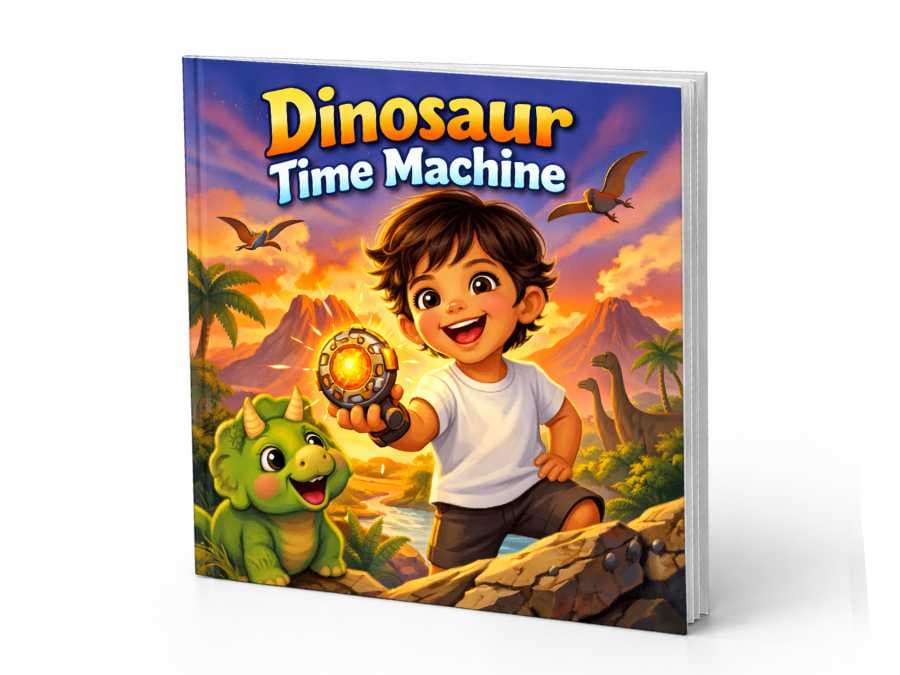
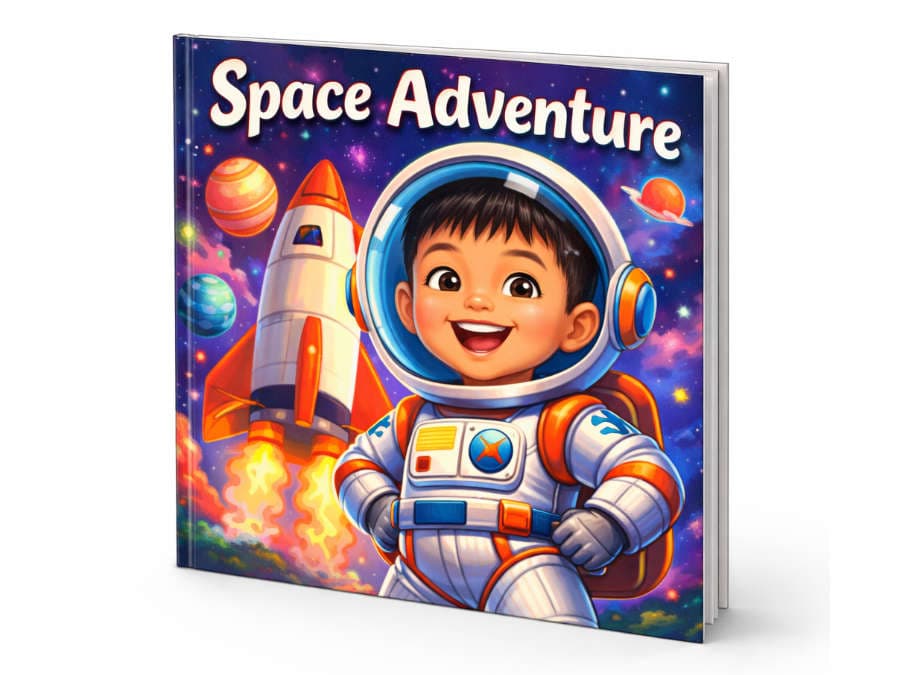
When you browse our collection of personalized stories, you'll find books tailored to your child's interests—whether they're obsessed with dinosaurs, space adventures, or learning to be brave. A child who loves dinosaurs will eagerly practice reading Dinosaur Time Machine over and over, building fluency without it feeling like work.
Your child could be the star of their own story
Personalized books with their name, their face, and the people they love. Preview it free — no payment needed.
Start a Free PreviewWhen to Consider Reading Tutors for Kindergarten
Most kindergarteners develop reading skills at different paces, and that's perfectly normal. However, some children benefit from additional support beyond what parents and teachers can provide. Knowing when to seek help from reading tutors for kindergarten can prevent frustration and build a stronger foundation.
Signs Your Child Might Benefit from Tutoring
Consider tutoring support if your kindergartener:
- Struggles to recognize or remember letter sounds after consistent practice
- Cannot identify any sight words by mid-year
- Shows significant frustration or anxiety around reading activities
- Has difficulty blending simple CVC words (cat, dog, sun) by late kindergarten
- Avoids books or reading time consistently
- Falls significantly behind classroom expectations despite home support
Important note: Struggling in kindergarten doesn't mean your child has a learning disability. Many children simply need more time, different approaches, or additional practice. Early intervention, however, can prevent small gaps from becoming larger ones.
Types of Reading Support Available
School-Based Interventions: Many schools offer Reading Recovery, small group instruction, or Title I support at no cost. Start by talking with your child's teacher about available resources.
Private Tutoring: One-on-one tutoring provides personalized attention and pacing. Look for tutors trained in:
- Orton-Gillingham methods (multisensory phonics instruction)
- Wilson Reading System (structured literacy approach)
- Lindamood-Bell programs (phonemic awareness and comprehension)
Online Tutoring Platforms: Services like Varsity Tutors, Wyzant, or Reading Simplified offer virtual sessions, often at lower costs than in-person tutoring.
Reading Specialists: If you suspect a learning difference, a certified reading specialist can conduct assessments and create targeted intervention plans.
Questions to Ask Potential Tutors
When interviewing reading tutors for kindergarten, ask:
- What training do you have in early literacy instruction?
- What methods do you use for beginning readers?
- How do you make sessions engaging for young children?
- How will you communicate progress with me?
- What's your experience with children who struggle with [specific challenge]?
- Can you provide references from other kindergarten parents?
Remember: the right tutor should make reading feel achievable and even fun, not like punishment or remediation.
Creating a Fluency-Friendly Home Environment
Beyond specific activities and passages, the overall reading culture in your home significantly impacts fluency development. Small environmental changes can make reading feel natural and appealing.
Building a Home Reading Routine
Consistency matters more than duration. Try these approaches:
The 10-Minute Rule: Read together for just 10 minutes daily—before bed, after breakfast, or whenever works for your family. Short, consistent sessions build skills faster than occasional long ones.
Model Reading: Let your child see you reading for pleasure. Children whose parents read regularly are more likely to become readers themselves.
Create Reading Spaces: Designate a cozy corner with good lighting, comfortable seating, and accessible books. Make it inviting, not institutional.
Celebrate Reading Milestones: Finished a whole book independently? Read 100 books together? Celebrate these achievements with special recognition.
Choosing the Right Books
Stock your home library with:
- Decodable readers that match your child's phonics skills
- Predictable books with repetitive patterns
- High-interest topics that match your child's passions
- Books slightly below reading level for confidence-building
- Books slightly above reading level for you to read aloud
And here's where personalization becomes powerful: books where your child is the main character naturally become favorites they'll request repeatedly. That repetition—reading the same beloved book over and over—is exactly what builds fluency. When you preview our personalized books, you'll see how we create stories that reflect your child's unique personality, interests, and even their specific challenges (like learning to be brave or making friends).
Tracking Progress Without Pressure
Monitoring your kindergartener's reading growth helps you celebrate wins and identify areas needing support—but it shouldn't create anxiety for you or your child.
Simple Progress Indicators
Watch for these positive signs:
- Increasing number of sight words recognized automatically
- Fewer pauses and hesitations when reading familiar texts
- Beginning to use expression and change voice for different characters
- Self-correcting when reading doesn't make sense
- Choosing to look at books independently
- Retelling stories with more detail and accuracy
Informal Assessment Ideas
Timed Repeated Readings: Have your child read the same passage three times over a week. Count words read correctly per minute. Most kindergarteners progress from 10-15 words per minute early in the year to 30-40+ by year's end.
Sight Word Tracking: Keep a simple list of sight words your child knows. Add new ones as they master them. Celebrate every five or ten words mastered.
Reading Logs: Track books read together, noting favorites. Patterns emerge—maybe your child loves animal stories or books about feelings—that can guide future book choices.
Most importantly: focus on progress, not perfection. Every child's reading journey is unique, and kindergarten is just the beginning.
Conclusion: Building Confident, Fluent Readers
Developing kindergarten reading fluency is a gradual process that thrives on consistency, encouragement, and the right resources. By incorporating kindergarten reading fluency passages into daily practice, trying partner reading strategies, engaging in playful reading activities, and knowing when to seek additional support from reading tutors, you're giving your child the foundation for lifelong literacy success.
Remember that every child develops at their own pace. Some kindergarteners will devour books independently by year's end, while others are still building confidence with simple sentences—and both are exactly where they need to be. Your role isn't to create a perfect reader overnight; it's to nurture a love of reading that will carry them through every stage of learning.
The most powerful tool in your fluency-building toolkit? Books your child genuinely wants to read again and again. When reading feels like a treat rather than a chore, practice happens naturally. Personalized books—where your child sees themselves as the brave hero, the curious explorer, or the kind friend—create that magical motivation. They're not just practicing reading; they're reading about themselves, which makes all the difference.
Ready to give your kindergartener a book they'll ask to read 127 times? Create a personalized story that celebrates exactly who they are—their interests, their personality, their unique spark. Because the best way to build reading fluency is to make reading irresistible.