When your child is struggling with reading, every book choice feels like it carries enormous weight. You want stories that spark joy and build confidence, but you're worried that books that are "too easy" might hold them back. Here's the truth that reading specialists want every parent to know: easy reading for kids isn't about lowering expectations—it's about creating the conditions where reading success becomes inevitable.
The right easy reader can transform a child who says "I hate reading" into one who asks for "just one more chapter" at bedtime. Let's explore how to find books that meet your child exactly where they are and help them fall in love with reading.
Understanding Reading Levels vs. Interest Levels
One of the biggest mistakes parents make is confusing reading level with interest level. Your seven-year-old might be reading at a kindergarten level, but they're still interested in stories about second-graders making friends, not stories about learning colors.
This gap—between what a child can read and what they want to read—is where many struggling readers get stuck. They pick up a book at their reading level, feel patronized by the babyish content, and shut down. Or they choose a book that matches their interests but can't decode the words, leading to frustration and avoidance.
The Sweet Spot: High Interest, Controlled Vocabulary
The best simple reading for kids combines age-appropriate themes with carefully controlled vocabulary. Look for books that:
- Feature characters close to your child's actual age (not their reading age)
- Address real concerns kids have—making friends, trying new things, feeling brave
- Use simple sentence structures without talking down to readers
- Include engaging plots that make kids want to turn the page
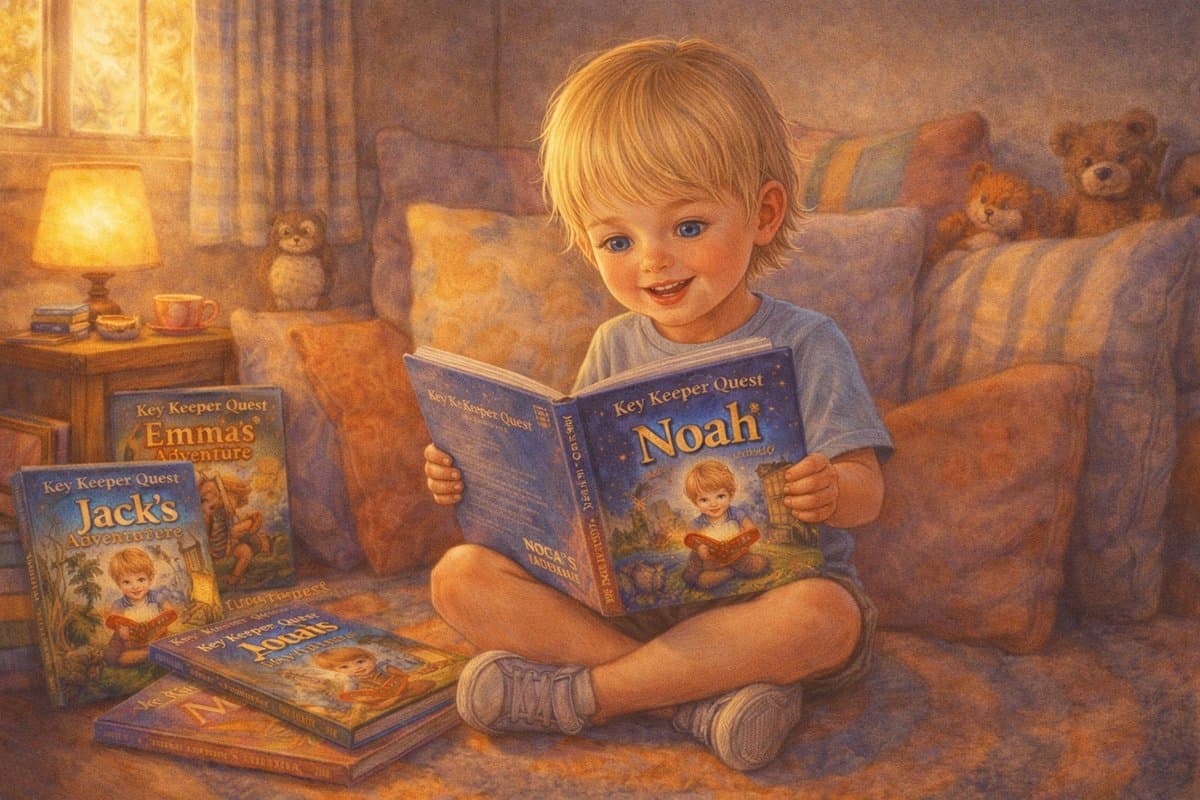
Our personalized storybook collection is designed with this principle in mind—stories that feel grown-up and exciting while using vocabulary that builds confidence rather than frustration.
What Makes a Book "Easy" (And Why That's Good)
When reading specialists talk about easy reading for kids, they're referring to specific characteristics that reduce cognitive load and allow children to experience reading success. Understanding these features helps you identify books that will support rather than overwhelm your child.
Controlled Vocabulary and Repetition
Easy readers intentionally limit the number of unique words and repeat key vocabulary throughout the story. This isn't dumbing down—it's smart design. When children encounter the same words multiple times in context, they move those words from "hard" to "automatic," building the fluency that makes reading feel effortless.
For a child struggling with reading, seeing the word "said" fifteen times in one book isn't boring—it's reassuring. Each successful recognition builds confidence.
Supportive Illustrations
Pictures aren't cheating—they're scaffolding. Quality easy readers use illustrations that support comprehension without doing all the work. A child who can't quite decode "The dragon breathed fire" can use the picture to confirm their guess, building both comprehension and confidence.
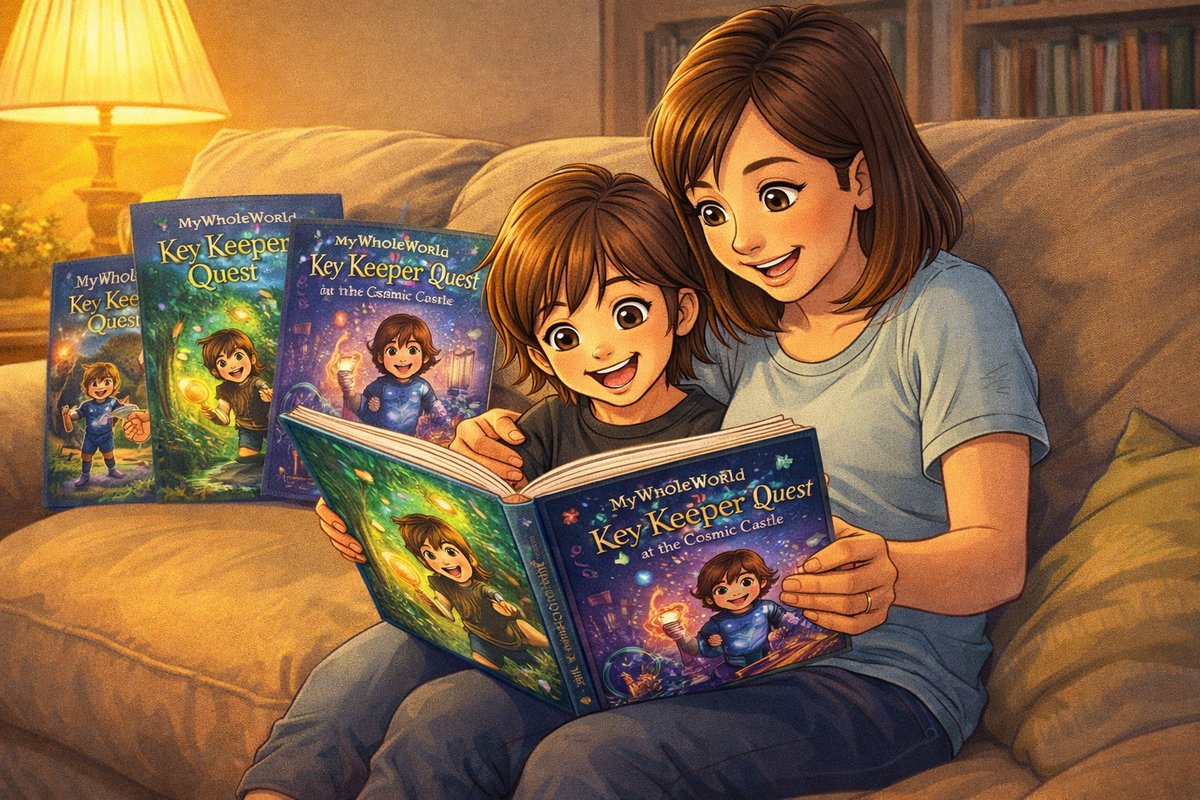
This is especially powerful in personalized books where children see themselves as the hero. When the illustrations show them succeeding in the story, it reinforces the message: "You can do hard things."
Predictable Patterns and Structures
Many excellent easy readers use predictable sentence patterns that allow children to anticipate what's coming. "I can run. I can jump. I can swim." This predictability isn't monotonous for beginning readers—it's empowering. They can "read" successfully, which motivates them to keep going.
When "Easy" Books Are Exactly What Your Child Needs
If you have a child struggling with reading, you might worry that easy books will hold them back. The opposite is true. Here's when choosing easier material is the smartest move you can make.
Building Fluency Through Volume
Reading specialists emphasize that fluency—the ability to read smoothly and automatically—comes from reading lots of text successfully. A child who struggles through one grade-level book in a week builds less fluency than a child who breezes through five easier books in the same time.
Think of it like learning to play piano. You don't build skill by struggling through advanced pieces. You build it by playing easier pieces until your fingers know what to do without thinking.
Repairing the Reading Relationship
For many struggling readers, the biggest obstacle isn't skill—it's emotion. If every reading experience has been frustrating, children develop reading anxiety. They avoid books, which means they don't practice, which means they fall further behind.
Easy reading passages for kids break this cycle. When a child can read an entire book successfully—when they can laugh at the jokes, predict what happens next, and feel proud of finishing—they start to see themselves as readers. That identity shift is more valuable than any specific skill.
Creating Positive Associations
Your goal isn't just to teach your child to decode words. It's to help them discover that reading is enjoyable. A child who reads ten easy books and loves every one is in a better position than a child who struggles through two "appropriate" books and hates the experience.
This is why we designed our Key Keeper Quest series with carefully controlled vocabulary but exciting adventure plots. Children get the practice they need wrapped in stories they actually want to read.
How to Find the "Just Right" Book
Reading specialists often talk about the "Goldilocks principle"—finding books that aren't too hard, aren't too easy, but are just right. Here's how to identify them.
The Five Finger Rule
Have your child read a page from the middle of the book. Each time they encounter a word they don't know, they put up one finger. If they put up five fingers before finishing the page, the book is too hard right now. Zero to one fingers means it might be too easy (though that's okay for confidence-building). Two to three fingers is the sweet spot for learning.
The Interest Test
After reading a page or two, ask: "Do you want to know what happens next?" If the answer is yes, you've found a winner, regardless of the technical reading level. Motivation trumps everything else.
The Confidence Check
Watch your child's body language as they read. Do they lean in or pull away? Do they smile or furrow their brow? A child who feels successful will show it physically. If you see tension and frustration, the book isn't right for this moment, even if it "should" be at their level.
Your child could be the star of their own story
Personalized books with their name, their face, and the people they love. Preview it free — no payment needed.
Start a Free PreviewStrategies for Reluctant Readers
Sometimes the issue isn't ability—it's willingness. If you have a child who can read but won't, these strategies can help.
Let Them Read "Easy" Books Without Judgment
Many reluctant readers are actually self-conscious readers. They can handle harder books but choose easier ones because they don't want to struggle in front of others. Honor this choice. A child who reads easy books voluntarily is practicing. A child who avoids reading entirely isn't.
Make It Personal
Children are more motivated to read stories that reflect their own lives and interests. This is the power of personalization—when a child sees themselves as the main character, reading becomes personally relevant rather than an abstract skill to master.
When you create a personalized book featuring your child's actual interests, personality traits, and even their friends or siblings, you're not just making reading easier—you're making it matter.
Read Together, Not Just Alone
Even children who can technically read independently benefit from shared reading time. You might alternate pages, read different character voices, or simply sit close while they read aloud. This removes the performance pressure while maintaining the connection.
Celebrate Volume Over Difficulty
Instead of praising your child for reading "hard" books, celebrate how many books they finish. "You've read twelve books this month!" is more motivating than "You moved up a reading level." The former focuses on the joy of reading; the latter makes it feel like a test.
The Role of Repetition in Building Readers
If your child wants to read the same book over and over, that's not a problem—it's a strategy. Rereading familiar texts is one of the most effective ways to build fluency and confidence.
Each time a child rereads a book, they:
- Decode familiar words faster, building automaticity
- Notice details they missed the first time, deepening comprehension
- Experience the pleasure of mastery and competence
- Free up mental energy to focus on expression and meaning
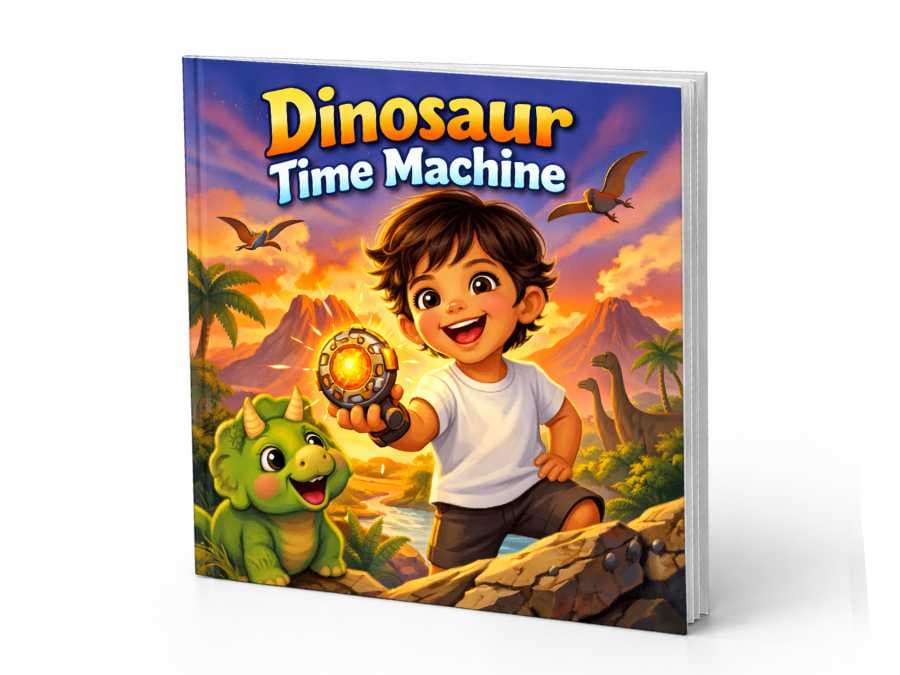
Don't push your child to constantly try new books if they're finding comfort and success in familiar ones. The goal is to create readers who love reading, and sometimes that means reading Dinosaur Time Machine for the forty-seventh time.
When to Seek Additional Support
While many children simply need time, practice, and the right books to become confident readers, some need additional support. Consider talking to your child's teacher or a reading specialist if:
- Your child is more than a year behind grade-level expectations
- They show signs of letter or word reversal beyond first grade
- Reading causes significant emotional distress or avoidance
- They struggle to sound out simple three-letter words by the end of first grade
- There's a family history of reading difficulties or dyslexia
Early intervention makes an enormous difference. There's no shame in getting help—only in waiting too long to ask for it.
Building Confidence One Page at a Time
The journey from struggling reader to confident reader isn't about pushing harder or choosing more difficult books. It's about creating conditions where success is possible, where reading feels good, and where your child can see themselves as someone who reads.
Easy reading for kids isn't a compromise—it's a strategy. Every book your child finishes successfully builds the confidence and fluency they need for the next challenge. Every story they enjoy reinforces that reading is worth the effort.
The best book for your child isn't the one that matches some external standard. It's the one they'll actually read, enjoy, and finish. Sometimes that's a book that seems "too easy." And that's not just okay—it's exactly right.
At MyWholeWorld, we believe every child deserves to see themselves as the hero of their own story—both in books and in life. When you preview our personalized books, you'll see how we combine age-appropriate content with controlled vocabulary, creating stories that build both skills and confidence. Because the goal isn't just to teach children to read. It's to help them discover that they're readers.