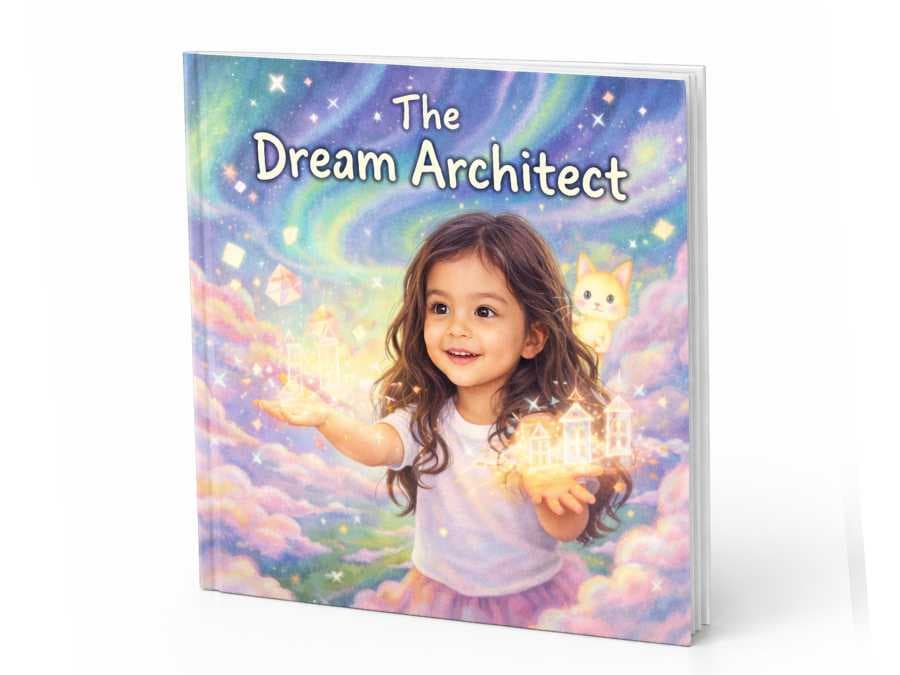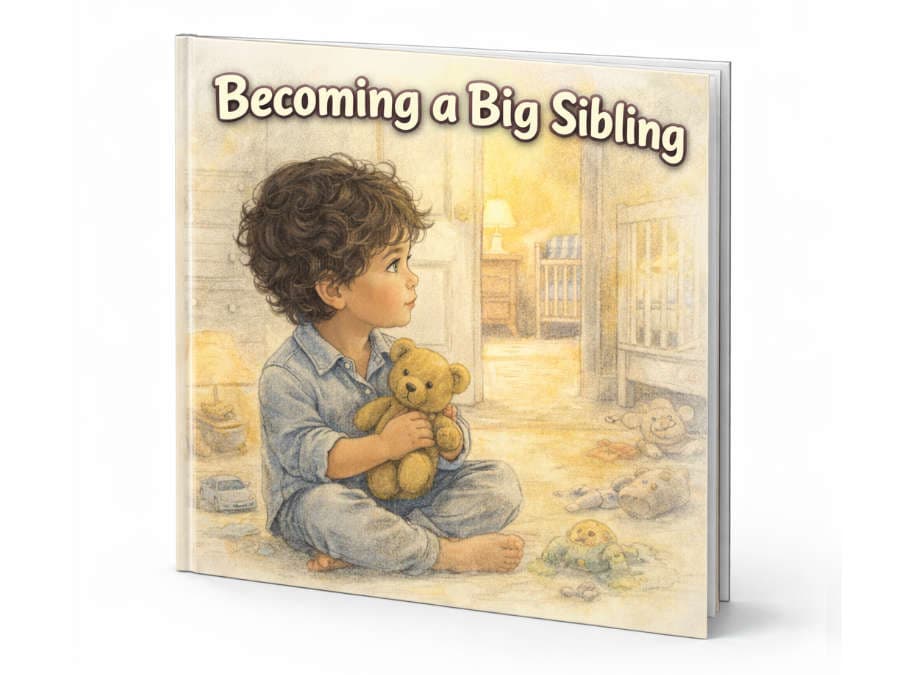
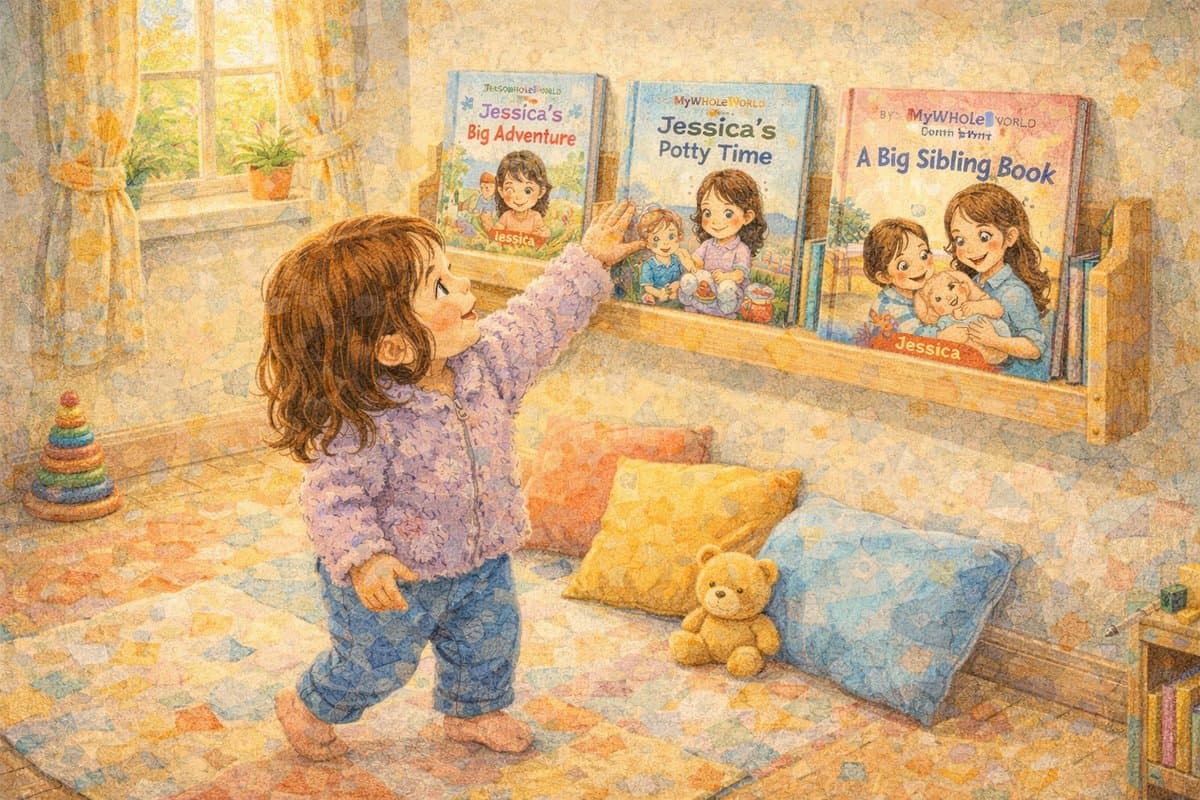
Creating a dedicated kids reading area in your home doesn't require a Pinterest-perfect playroom or an unlimited budget—it just needs thoughtful design that invites your child to curl up with a book. Whether you're setting up a cozy toddler reading area in a nursery corner or designing a sophisticated reading nook for your elementary schooler, the right space can transform reading from something you have to do into something your child actually wants to do.
Why a Dedicated Reading Space Matters (More Than You Think)
Before we dive into design ideas, let's talk about why this matters. During the critical years between ages 2 and 8, children are forming their relationship with reading—and that relationship is deeply tied to environment. A kids reading corner sends a powerful message: books aren't just homework or bedtime obligations. They're special enough to have their own space.
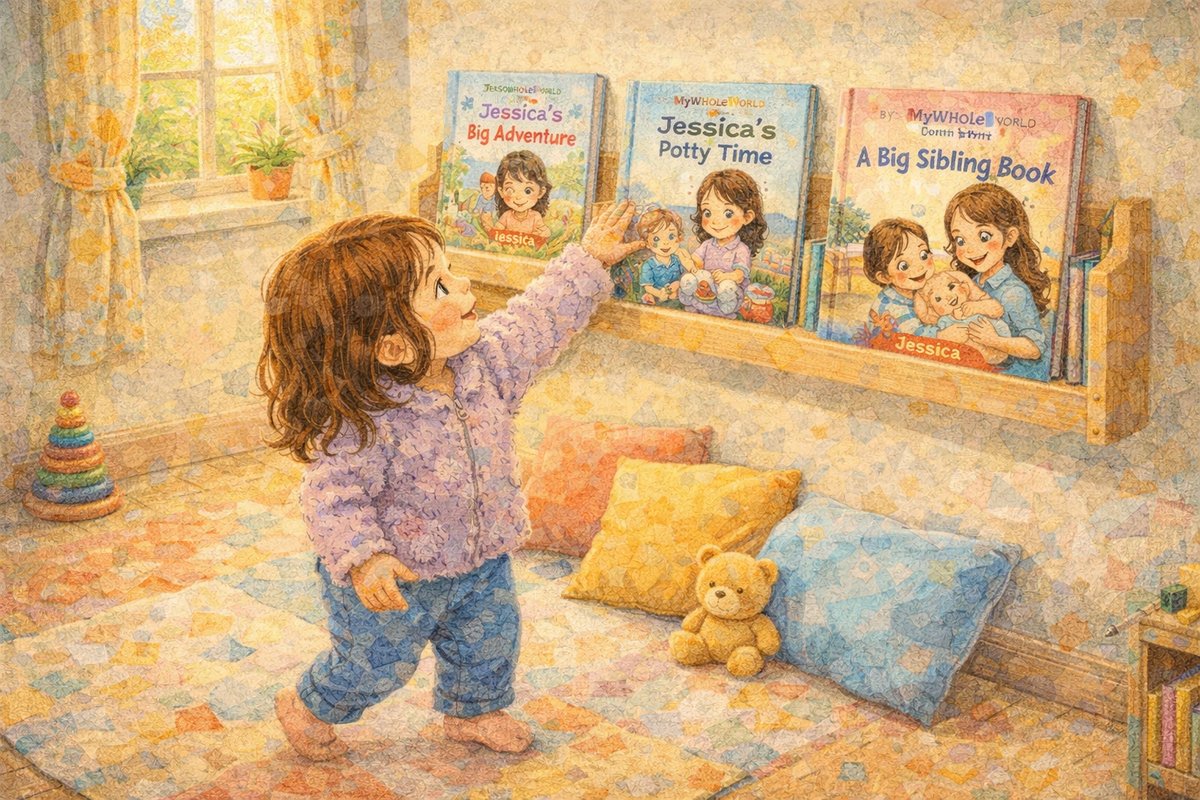
Research shows that children with dedicated reading spaces at home read an average of 43% more minutes per week than those without. But beyond the numbers, there's something deeper happening. When your daughter climbs into "her" reading nook with a personalized adventure where she's the hero, she's not just reading—she's learning that stories are places she belongs.
The magic isn't in the furniture or the budget—it's in the intentionality. You're creating a physical space that says: "Reading is important. Your imagination is valuable. You deserve a place that's just for this."
Toddler Reading Areas (Ages 2-4): Accessible, Safe, and Sensory-Rich
For toddlers, a successful toddler reading area prioritizes three things: accessibility, safety, and sensory engagement. At this age, children are building positive associations with books, so the space should invite exploration without frustration.
The Forward-Facing Book Display
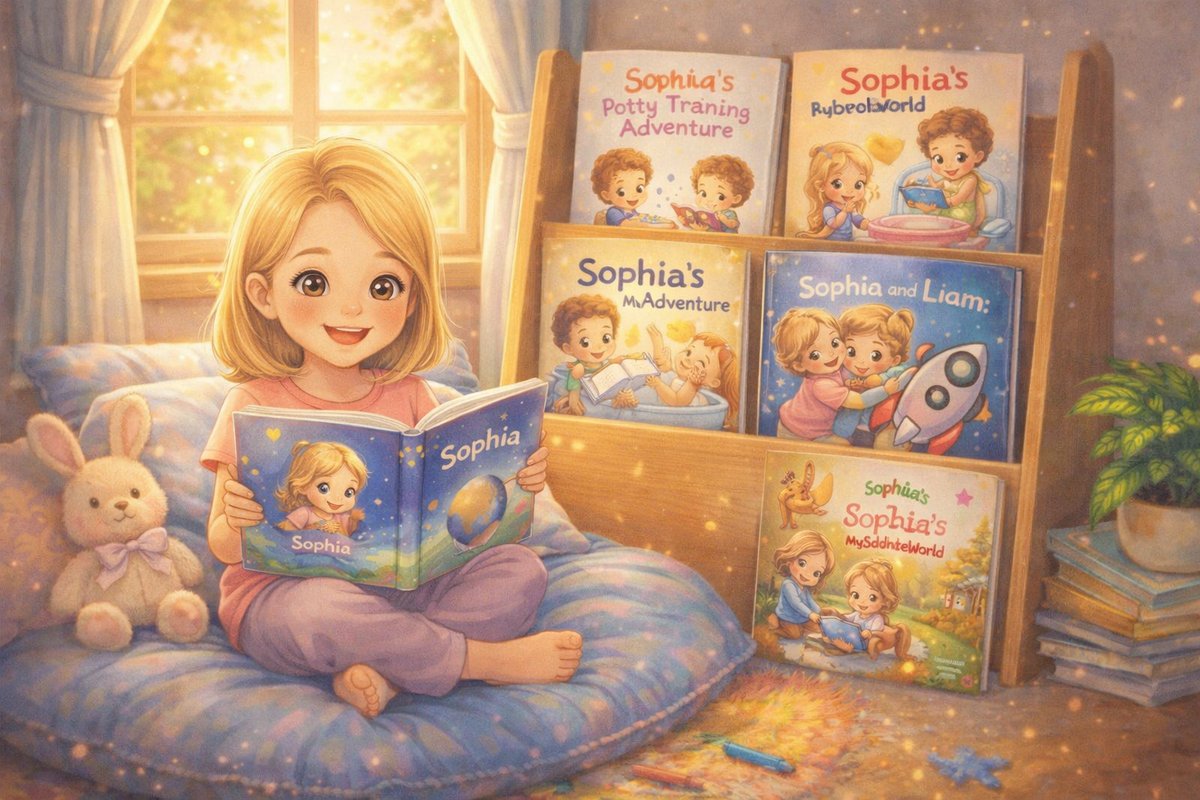
Forget traditional bookshelves where toddlers only see spines. Use forward-facing displays—rain gutter shelves, picture ledges, or even wall-mounted spice racks—so your toddler can see book covers. When they can recognize their potty training adventure or their favorite dinosaur book by the cover art, they're more likely to grab it independently.
Budget hack: IKEA picture ledges ($10 each) mounted at toddler eye level (18-24 inches from the floor) work perfectly. Install 2-3 in a row for a mini library wall.
Floor Seating That Invites Settling In
Toddlers don't sit still for long, so skip the miniature armchair that'll be outgrown in six months. Instead, create a soft landing zone with:
- A washable area rug (because spills happen)
- Large floor pillows or a bean bag they can flop onto
- A low-sided basket with a soft blanket they can pull over themselves
The goal is making it physically comfortable to stay put for "just one more page."
Sensory Elements That Signal "Reading Time"
Toddlers respond to sensory cues. Add one or two elements that make the space feel special:
- A small clip-on reading light they can turn on themselves (autonomy matters)
- A white noise machine or soft music player for audio definition
- A "reading basket" with a few comfort items—a stuffed animal, a favorite blanket
When these elements are present, your toddler's brain starts associating them with the calm, focused feeling of story time.
Preschool Reading Nooks (Ages 4-6): Independence and Imagination
Preschoolers are ready for more independence in their reading nook ideas, and they're deeply invested in imaginative play. This is the age to create a space that feels like a destination—a place they choose to go.
The "Special Place" Factor
Preschoolers love spaces that feel like they're theirs. Consider:
- A reading tent or canopy: Drape fabric over a tension rod in a corner, add string lights, and suddenly you have a "secret reading cave." A 4-year-old will choose this over the couch every time.
- Under-stairs nooks: If you have an under-stairs space, this is your golden opportunity. Add a cushion, some pillows, and a small bookshelf, and you've created the kind of cozy hideaway kids remember forever.
- Window seat transformation: If you have a window with decent depth, add a cushion and side pillows. Natural light plus a view makes this the most requested reading spot in the house.
Book Organization They Can Manage
At this age, kids can start managing their own book selection if you make it easy:
- Use labeled bins or baskets by category ("Adventure Stories," "Bedtime Books," "Learning Books")
- Keep current favorites in the forward-facing display, with the broader library in bins below
- Rotate books monthly—when the big sibling book reappears after a few weeks, it feels new again
Pro tip: Let your preschooler help with the rotation. "Which five books should we put in the special spot this week?" This builds ownership and decision-making skills.
A Place for Their Own Stories
Preschoolers are starting to "write" their own stories (even if it's just pictures and scribbles). Add a small basket with blank paper, crayons, and a clipboard. When they see their own creations displayed next to published books, they start seeing themselves as creators, not just consumers.
Elementary Reading Corners (Ages 6-8): Sophistication and Ownership
Elementary-aged kids want a kids reading corner that feels more grown-up. They're reading independently now, often for longer stretches, so comfort and personalization become crucial.
Seating That Supports Longer Reading Sessions
A 7-year-old might read for 30-45 minutes at a stretch, so seating matters:
- A papasan chair or saucer chair: Big enough to curl up in, cozy enough to get lost in a chapter book
- A small loveseat or armchair: Check Facebook Marketplace or thrift stores—you can often find kid-sized upholstered furniture for $20-50
- A hammock chair: If you can install ceiling hardware, a hanging chair becomes the coolest reading spot in the house
Add a small side table or wall-mounted shelf within arm's reach for water bottles, bookmarks, and the current read.
Lighting That Supports Independent Reading
Elementary kids often want to read in the evening, so good lighting is non-negotiable:
- A clip-on reading light or adjustable desk lamp they control
- Warm-toned bulbs (2700-3000K) that don't cause eye strain
- If possible, position the reading area near a window for natural light during the day
Personalization That Reflects Their Identity
This is the age where kids have strong opinions about their space. Let them:
- Choose a paint color for an accent wall (or let them paint a small bookshelf)
- Select throw pillows or a blanket in their favorite colors
- Display their favorite book covers as art (you can find free printables or frame actual covers)
- Create a "books I've read" chart or display
When an 8-year-old has input in designing their space, they're exponentially more likely to use it. And when they see books where they're the main character displayed prominently, it reinforces that reading is about them—their interests, their imagination, their world.
Your child could be the star of their own story
Personalized books with their name, their face, and the people they love. Preview it free — no payment needed.
Start a Free PreviewBudget-Friendly Reading Nook Ideas That Don't Look Cheap
You don't need to spend hundreds to create a magical reading space. Here are proven budget strategies:
The $50 Reading Nook
- $15: Two IKEA picture ledges for forward-facing book display
- $20: Large floor pillow or bean bag from Target/Amazon
- $10: String lights or a clip-on reading lamp
- $5: Soft throw blanket from a thrift store
Mount the shelves in a corner, add the pillow and lighting, drape the blanket, and you have a functional, inviting space for under $50.
The Repurposing Strategy
Look around your house with fresh eyes:
- That unused closet? Remove the door, add a cushion and some battery-operated lights, and it's a reading hideaway.
- The space under a loft bed? Perfect reading nook territory.
- A large cardboard box? Cut a door and window, let your kid decorate it, add a blanket inside, and you have a reading fort for free.
The Thrift Store Treasure Hunt
Check Goodwill, Salvation Army, or Facebook Marketplace for:
- Small bookshelves ($5-15)
- Floor pillows and cushions ($3-10)
- Kids' chairs or small armchairs ($10-30)
- Baskets for book storage ($2-5)
A $20 thrift store chair + a $5 can of spray paint in your kid's favorite color = a custom reading chair for $25.
Organization Systems That Actually Work
A beautiful reading space becomes chaos quickly without organization. Here's what works:
The Rotation System
Keep 15-20 books in the active reading area, with the rest stored elsewhere. Every 3-4 weeks, rotate in "new" books from storage. This keeps the space manageable and makes old favorites feel fresh.
The "Currently Reading" Basket
Have a designated spot for books in progress. This prevents the "I can't find my book!" meltdown and teaches organizational skills.
The Library System
Use a separate bin or basket for library books. This makes returns easier and prevents the horror of discovering a lost library book three months overdue.
The Donation Box
Keep a small box in or near the reading area. When your child outgrows a book, it goes in the donation box. This teaches letting go and makes room for new stories.
Making It a Space They'll Actually Use
The most beautifully designed reading nook is worthless if your child never uses it. Here's how to make it irresistible:
Model the Behavior
Read in the space yourself. When your 5-year-old sees you curled up in their reading nook with your own book, they learn that this is what the space is for.
Start With Read-Aloud Time
Make the reading area the designated spot for family read-aloud time. When it's associated with that cozy, connected feeling of reading together, they'll return to it independently.
Keep It Fresh
Change one small thing monthly—new throw pillow, different string light color, rotated books, seasonal decoration. Small changes keep the space feeling special.
Celebrate Reading Milestones
When your child finishes a challenging book or reaches a reading goal, celebrate it in the reading space. Take a photo of them with the book, add it to a display, or let them choose a new book to add to the collection.
The Real Magic: Books That Make Them Want to Read
Here's the truth: the most perfectly designed reading nook won't create a reader if the books themselves don't captivate. The space is the invitation, but the books are the reason they stay.
This is why personalization matters so much. When a child sees themselves as the hero of the story—not just their name inserted into a template, but their actual personality, interests, and traits woven into the narrative—reading shifts from something they're supposed to do to something they want to do.
A well-designed kids reading area filled with books that truly reflect your child back to themselves? That's not just a reading nook. That's where a lifelong reader is born.
Whether you're working with a corner of a bedroom or a dedicated playroom, the goal is the same: create a space that says "reading is special, and so are you." Start small, involve your child in the process, and remember that the best reading space is the one that actually gets used.
Ready to fill your new reading nook with stories your child will request again and again? Explore our collection of personalized adventures where your child isn't just reading the story—they're living it.