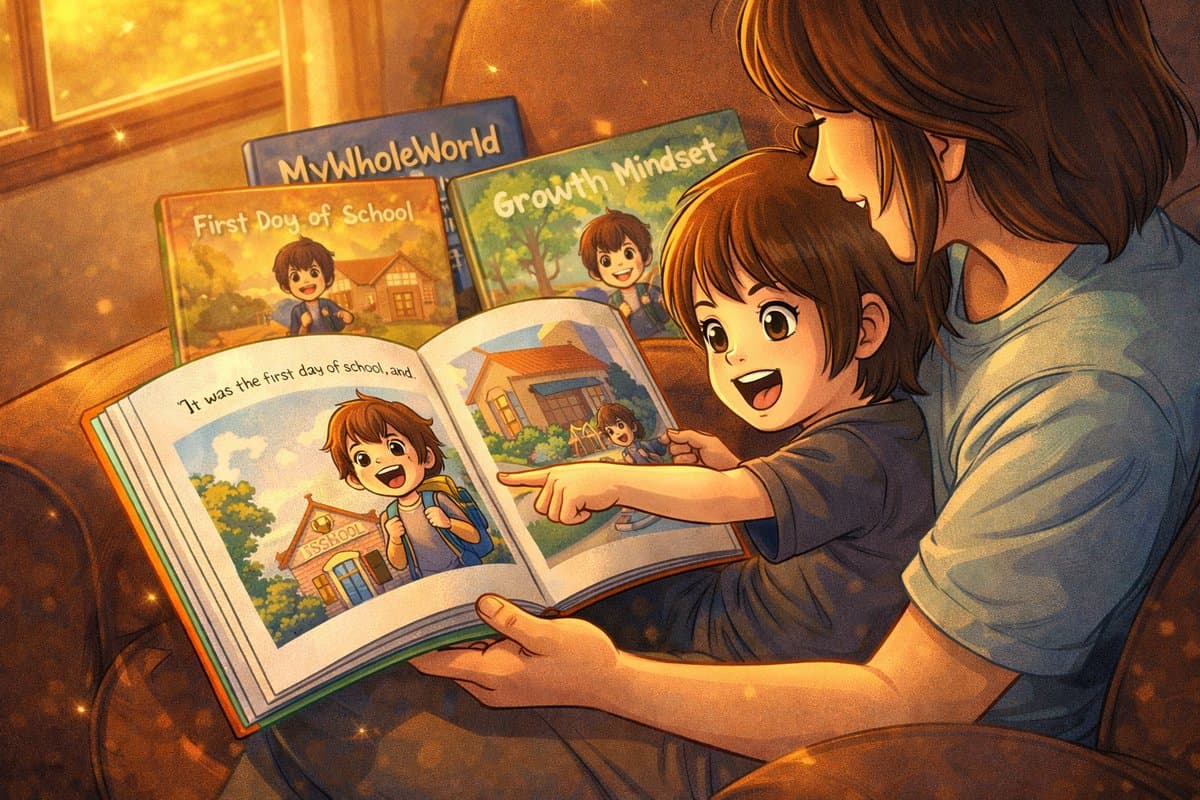
Choosing the right preschool reading books can feel overwhelming when you're standing in the library or scrolling through endless online options. The truth is, the books you share with your preschooler during these critical early years do more than entertain—they build the foundation for a lifetime of reading confidence and literacy skills. Whether you're a parent seeking to create magical bedtime moments or a grandparent building a home library for visits, understanding what makes a book truly "preschool-appropriate" changes everything.
Understanding Preschool Reading Development (Ages 3-5)
Before diving into specific book recommendations, it's helpful to understand where your preschooler is in their reading journey. Children ages 3-5 are in what literacy experts call the "emergent literacy" stage—they're not reading independently yet, but they're absorbing everything that will make reading possible later.
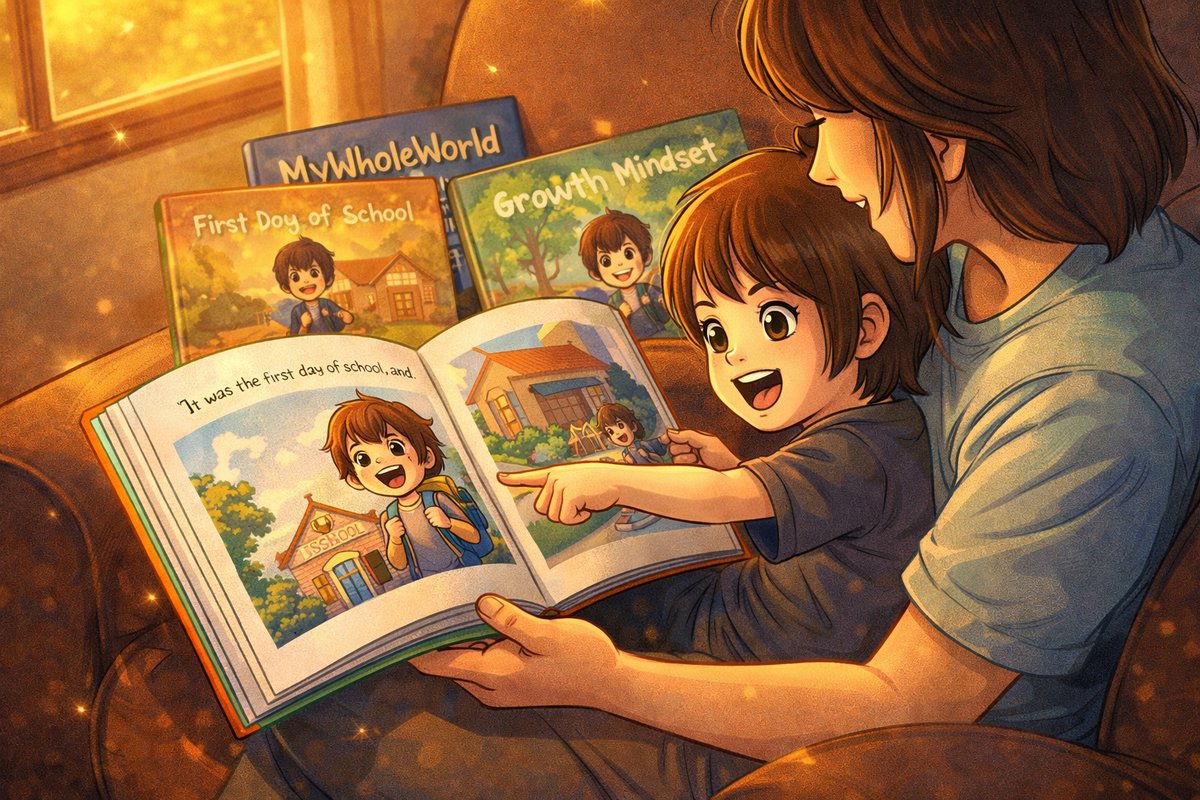
During these years, preschoolers are developing:
- Print awareness: Understanding that text carries meaning and flows from left to right
- Phonological awareness: Recognizing sounds, rhymes, and syllables in spoken words
- Vocabulary expansion: Adding 5-10 new words to their vocabulary daily through conversation and stories
- Narrative comprehension: Following story structure with beginning, middle, and end
- Visual literacy: "Reading" pictures to understand story context and emotions
The best preschool reading books meet children exactly where they are developmentally while gently stretching their capabilities. They're engaging enough to request "again!" for the 47th time, yet rich enough that adults don't lose their minds during those repeated readings.
Board Books vs. Picture Books: What's Right for Your Preschooler?
One of the first questions parents ask is whether their 3, 4, or 5-year-old still needs board books or if it's time to transition to traditional picture books. The answer? It depends on the child and the situation.
When Board Books Still Make Sense
Board books aren't just for babies. Many preschoolers benefit from having durable board books for:
- Independent "reading" time: When your child wants to look at books alone without supervision
- Bath time or outdoor reading: Situations where books might get wet or dirty
- Younger siblings in the house: Books that can withstand enthusiastic toddler handling
- Travel and car rides: Portable options that won't get destroyed in a backpack
Look for board books with more complex narratives than typical baby board books—stories with actual plot development, richer vocabulary, and themes that resonate with preschool experiences like starting school, making friends, or trying new things.
Transitioning to Picture Books
Most preschoolers are ready for traditional picture books, which offer:
- Longer, more complex stories that build attention span
- More detailed illustrations that reward close examination
- Richer vocabulary and sentence structure
- Themes that explore emotions, relationships, and problem-solving
The key is choosing picture books with the right balance—engaging enough to hold attention for 5-10 minutes, but not so long that your preschooler loses interest halfway through. Around 24-32 pages is the sweet spot for most 3-5 year olds.
Essential Features of Quality Preschool Reading Books
Not all children's books are created equal. The best preschool reading resources share several key characteristics that make them both developmentally appropriate and genuinely engaging.
Engaging Illustrations That Tell Their Own Story
For preschoolers who aren't reading text yet, illustrations aren't just decoration—they're the primary way children "read" the story. Quality preschool books feature:
- Clear, expressive illustrations that convey emotion and action
- Visual details that reward repeated readings (hidden objects, background stories)
- Diverse representation showing children of different backgrounds, abilities, and family structures
- Illustrations that complement rather than simply repeat the text
Watch your child during story time. Are they studying the pictures? Pointing to details? Asking questions about what they see? These are signs the illustrations are doing their job.
Predictable Text Patterns and Repetition
Preschoolers love—and learn from—predictable patterns. Books with repeated phrases, rhyming text, or cumulative structures help children:
- Anticipate what comes next, building confidence
- "Read along" by memorizing repeated sections
- Develop phonological awareness through rhyme and rhythm
- Feel successful as emerging readers
Classic examples include "Brown Bear, Brown Bear, What Do You See?" and "The Very Hungry Caterpillar," but countless wonderful books use these techniques in fresh, engaging ways.
Age-Appropriate Themes and Emotional Content
The best children's early reading books address the real experiences and emotions of preschool life:
- Starting preschool or kindergarten
- Making and keeping friends
- Managing big feelings like anger, fear, or disappointment
- Trying new things and building confidence
- Family changes like new siblings or moving
- Developing independence and self-help skills
Books that mirror your child's experiences help them process emotions and develop empathy. When your daughter sees a character nervous about the first day of school, it validates her feelings and shows her she's not alone.
Interactive Elements That Boost Engagement
While not every book needs interactive features, preschoolers often benefit from books that invite participation beyond passive listening.
Physical Interaction
Books with flaps, textures, pop-ups, or other tactile elements engage multiple senses and help active preschoolers stay focused. These work especially well for:
- Children who learn best through touch and movement
- Situations where you need extra engagement (waiting rooms, long car rides)
- Building fine motor skills alongside literacy
Just be realistic about durability—save delicate pop-up books for supervised reading time.
Call-and-Response and Participation
Books that invite children to participate—by making animal sounds, counting objects, finding hidden items, or answering questions—transform reading from passive to active. This engagement:
- Builds attention span by keeping children involved
- Develops comprehension through active thinking
- Creates joyful associations with reading time
- Gives children a sense of control and agency
The Power of Personalization
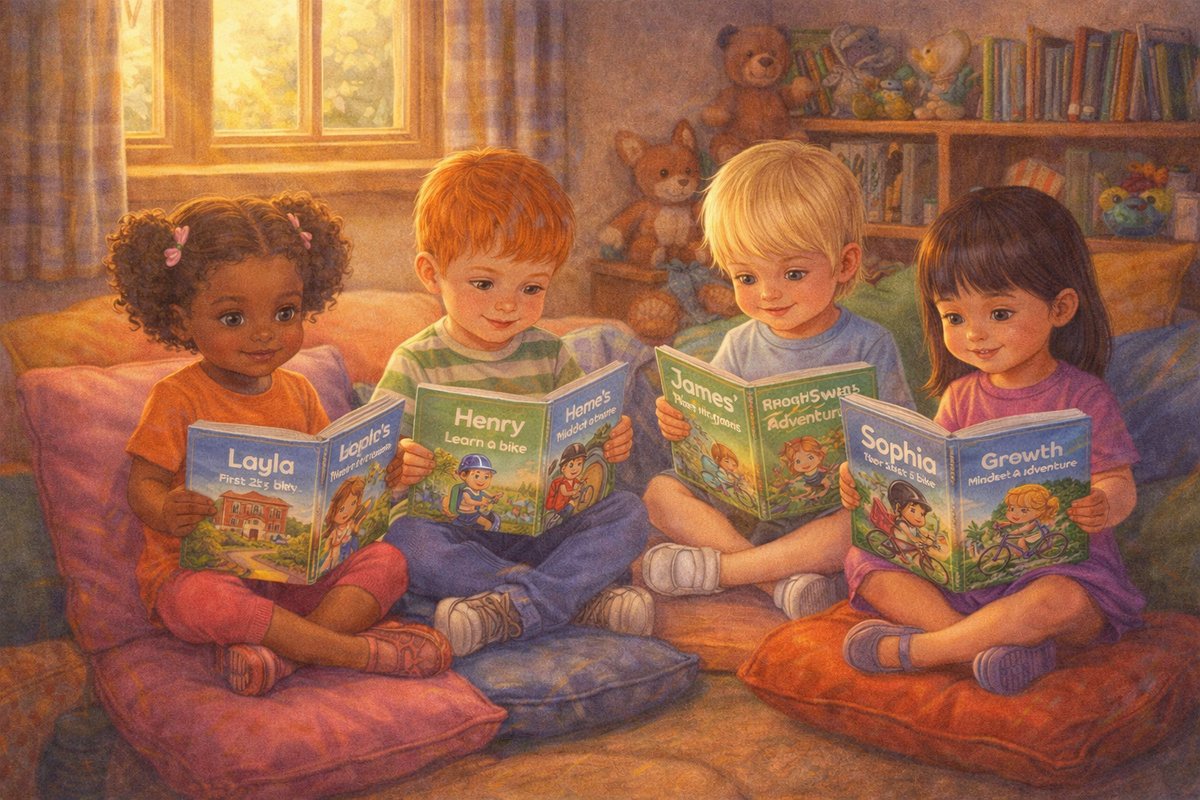
Perhaps the most powerful form of engagement comes from books where children see themselves reflected in the story. When a child recognizes their own name, appearance, or experiences in a book, something magical happens—they don't just enjoy the story, they connect with it on a deeper level.
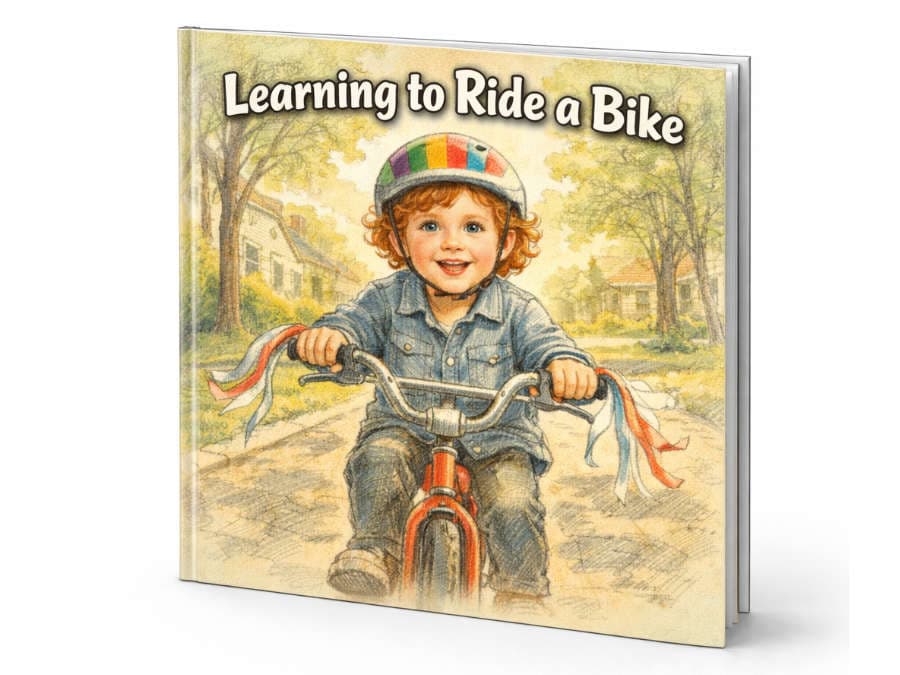
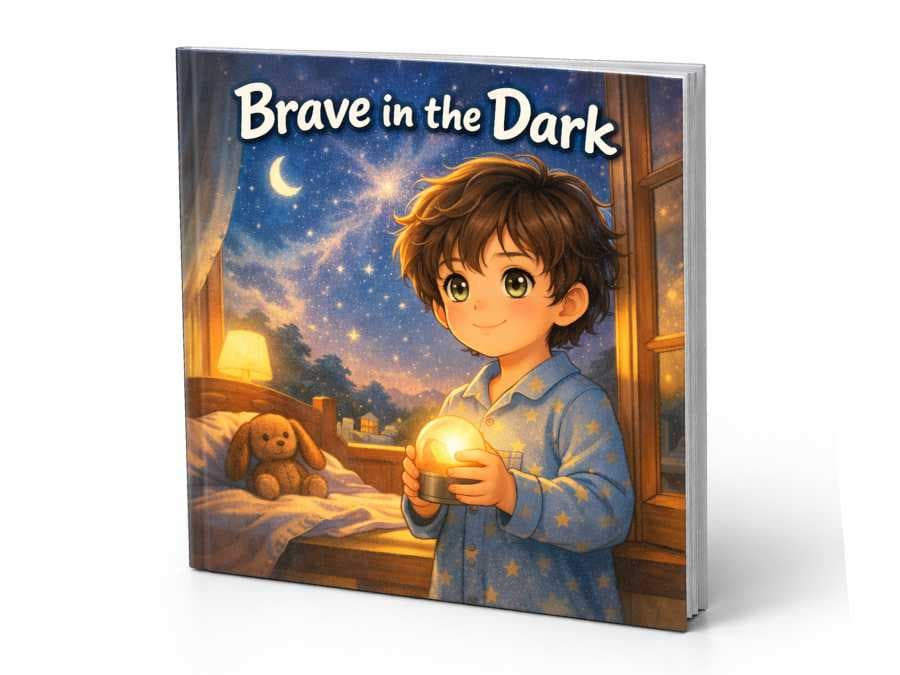
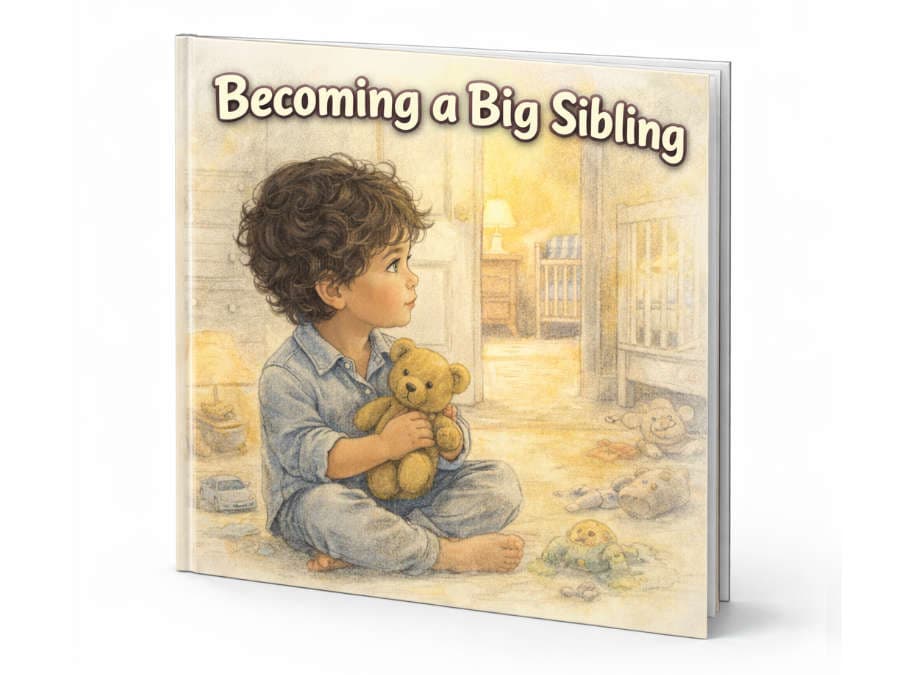
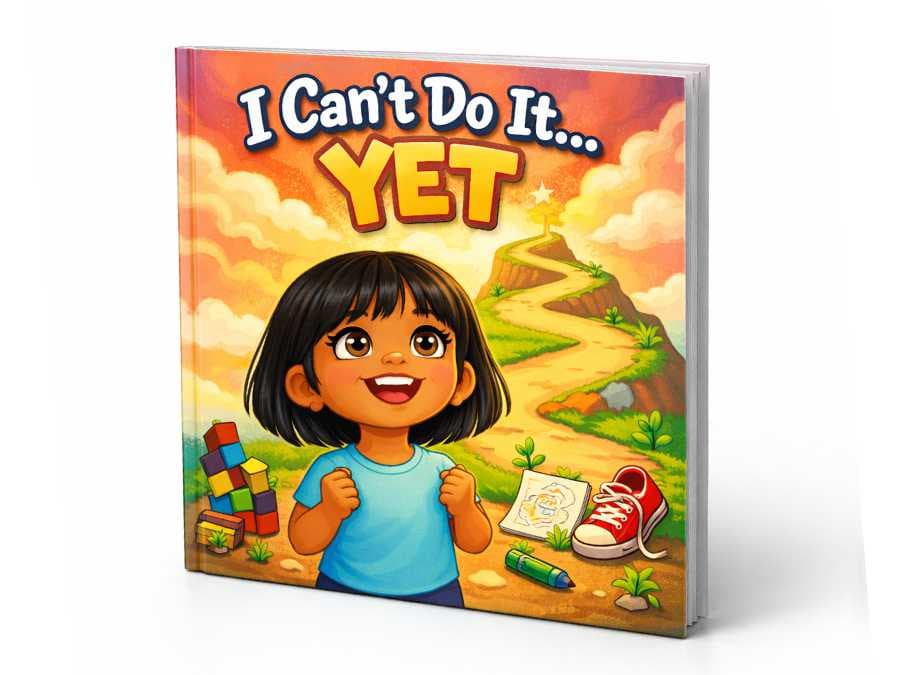
This is why personalized books have become such valuable preschool reading resources. When you create a personalized book that features your child as the main character, you're not just adding their name to a template—you're showing them that they're worthy of being the hero of their own story. Research shows children request personalized books significantly more often than generic alternatives, leading to more reading repetition and faster literacy development.
For preschoolers working on specific skills or facing particular challenges, personalized stories can be especially powerful. A child learning to ride a bike or developing a growth mindset sees themselves succeeding in the story, which builds confidence for real-life attempts.
Building Your Preschool Home Library: A Strategic Approach
You don't need hundreds of books to build literacy skills—you need the right books, readily accessible, and regularly rotated.
The Core Collection (15-20 Books)
Start with a manageable core collection that includes:
- 5-7 classics: Timeless stories with proven appeal across generations
- 3-4 alphabet/counting books: For building foundational skills
- 3-4 rhyming books: For phonological awareness
- 2-3 books about emotions: For social-emotional development
- 2-3 books reflecting your child's interests: Dinosaurs, trucks, princesses, animals—whatever captivates them
- 1-2 personalized books: Featuring your child as the main character
Keep these books in an accessible location where your child can reach them independently. Low shelves with front-facing display work better than traditional bookshelf arrangements for preschoolers.
The Rotation Strategy
Instead of overwhelming your child with choices, try rotating books every 2-3 weeks:
- Keep 8-10 books accessible at any time
- Store the rest out of sight
- Swap them out regularly to maintain novelty and interest
- Keep 2-3 absolute favorites always available
This approach makes old books feel new again and prevents the "we've read everything" complaint.
Library Supplements
Regular library visits (weekly or biweekly) supplement your home collection with:
- Seasonal and holiday books you don't need to own
- Books on current interests (this month's dinosaur obsession)
- Trying before buying—test books before adding to your permanent collection
- Exposure to diverse authors, illustrators, and perspectives
Let your preschooler choose some books themselves, even if their selections seem random. Ownership of the choice increases engagement with the reading.
Reading Strategies That Maximize Learning
How you read matters as much as what you read. These evidence-based strategies turn story time into powerful learning opportunities.
Dialogic Reading
Instead of simply reading the text, engage your child in conversation:
- Ask open-ended questions: "What do you think will happen next?" instead of "What color is the bear?"
- Expand on their answers: Child says "dog," you respond "Yes, a big brown dog with floppy ears!"
- Connect to their experiences: "Remember when we saw a fire truck like that?"
- Follow their lead: If they want to talk about an illustration detail, pause the story
Multiple Readings, Different Focus
When your child requests the same book repeatedly (and they will), vary your approach:
- First reading: Focus on the story flow and main events
- Second reading: Explore illustrations in detail
- Third reading: Discuss characters' feelings and motivations
- Fourth reading: Make predictions and connections
- Later readings: Let your child "read" to you by retelling from memory
Print Awareness Activities
Gently draw attention to print concepts:
- Run your finger under words as you read
- Point out the title and author on the cover
- Notice repeated words or your child's name if it appears
- Talk about letters: "Look, 'dinosaur' starts with 'd' just like your name!"
Keep it light and follow your child's interest—this shouldn't feel like a lesson.
Your child could be the star of their own story
Personalized books with their name, their face, and the people they love. Preview it free — no payment needed.
Start a Free PreviewSpecial Considerations for Different Preschool Ages
3-Year-Olds
Three-year-olds typically enjoy:
- Shorter books (12-24 pages)
- Simple, clear plots with minimal subplots
- Lots of repetition and predictable patterns
- Books about daily routines and familiar experiences
- Interactive elements like flaps or textures
4-Year-Olds
Four-year-olds are ready for:
- Longer attention spans (24-32 page books)
- More complex plots with problem-solving
- Books exploring emotions and social situations
- Beginning chapter books for advanced listeners
- Stories with humor and silly situations
5-Year-Olds
Five-year-olds often appreciate:
- Early reader books they can start decoding themselves
- Chapter books for read-aloud time
- Non-fiction books about topics of interest
- Stories with more sophisticated themes
- Books that challenge them slightly above their current level
Remember, these are generalizations—your child's individual development and interests matter more than age-based guidelines.
When Personalized Books Make the Biggest Impact
While a well-rounded library includes many types of books, personalized stories offer unique benefits during the preschool years. This is the age when children are forming their sense of self—understanding who they are, what makes them special, and where they fit in the world.
Personalized preschool reading books work especially well for:
- Building confidence: Seeing themselves as capable heroes who solve problems
- Processing transitions: Stories about moving or becoming a big sibling feel more relevant when they star your child
- Encouraging reluctant readers: Children who resist story time often engage when they're the main character
- Addressing specific challenges: From fear of the dark to potty training, personalized stories make solutions feel achievable
- Celebrating identity: Books that reflect your child's appearance, interests, and personality show them they're worthy of being the hero
The key is choosing personalized books that go beyond simply inserting your child's name into a template. The most effective personalized preschool reading resources create original stories that truly reflect your child's unique personality and experiences.
Creating a Preschool Reading Routine That Sticks
Even the best book collection won't build literacy skills without consistent reading time. The good news? Preschoolers thrive on routine.
Bedtime Reading
The classic bedtime story remains one of the most effective reading routines:
- Consistent timing signals the transition to sleep
- Calm, focused attention without daytime distractions
- Positive associations between books and comfort
- Natural opportunity for 1-on-1 connection
Aim for 15-20 minutes, which typically means 2-3 books for preschoolers.
Morning or Afternoon Reading
Don't limit reading to bedtime. Consider:
- Morning books while you drink coffee and they eat breakfast
- After-lunch quiet time with books
- "Waiting time" books (before dinner, while sibling naps)
- Weekend morning reading in bed together
Making It Sustainable
The best routine is one you can actually maintain:
- Start small—even 10 minutes daily builds literacy
- Let your child choose books to increase buy-in
- Keep books accessible so reading can happen spontaneously
- Don't stress about missed days—consistency matters more than perfection
- Make it enjoyable for you too by including books you genuinely like
Red Flags: Books to Approach Cautiously
Not every book marketed for preschoolers is actually appropriate or beneficial. Watch out for:
- Overly didactic stories: Heavy-handed lessons that feel like lectures rather than stories
- Scary content: Genuinely frightening images or themes that may cause nightmares
- Stereotypical representations: Books that reinforce limiting gender roles or cultural stereotypes
- Poor quality illustrations: Confusing, cluttered, or visually unappealing artwork
- Text-heavy pages: Too much text per page for preschool attention spans
- Advertising disguised as books: Character books that exist primarily to sell toys
Trust your instincts—if a book doesn't feel right for your child, it probably isn't.
Beyond Books: Supporting Preschool Literacy
While books are central to preschool reading development, literacy skills develop through many activities:
- Conversation: Rich, extended conversations build vocabulary faster than anything else
- Singing: Songs develop phonological awareness and memory
- Storytelling: Encourage your child to tell their own stories, even without books
- Environmental print: Point out words in the world—signs, labels, menus
- Writing opportunities: Crayons, markers, chalk—let them experiment with making marks and letters
- Dramatic play: Acting out stories builds comprehension and narrative skills
The goal isn't to turn every moment into a literacy lesson, but to create a language-rich environment where reading and writing feel natural and joyful.
Conclusion: The Gift of Early Literacy
Choosing the best preschool reading books isn't about finding the "perfect" collection or following rigid rules. It's about discovering books that spark joy, invite connection, and meet your child where they are developmentally. The books you share during these precious preschool years do more than teach letters and sounds—they build the foundation for a lifetime relationship with reading.
Start with a small, thoughtfully chosen collection that includes classics, books reflecting your child's interests, and stories that mirror their experiences. Add regular library visits for variety, establish a consistent reading routine that works for your family, and engage actively during story time with questions and conversation. And consider including personalized books that show your child they're worthy of being the hero of their own story.
Most importantly, remember that the best preschool reading book is the one your child asks you to read again. And again. And again. Those repeated readings—even when you're reciting the text from memory at 8:47 PM—are building the literacy skills that will serve them for life. When you're ready to add a truly special book to your collection, browse our collection of personalized stories that celebrate your child's unique personality and experiences.
Frequently Asked Questions
How many books should a preschooler have at home?
Quality matters more than quantity. A core collection of 15-20 well-chosen books that you rotate regularly is more valuable than 100 books gathering dust. Supplement your home library with weekly library visits to provide variety without overwhelming your space or budget. The key is making books accessible and reading them frequently—a small collection of beloved books read repeatedly builds literacy better than a large collection rarely touched.
When should my preschooler start reading independently?
Most children don't read independently until ages 6-7, though some begin earlier and others later—both are completely normal. During the preschool years (ages 3-5), focus on building pre-reading skills: print awareness, phonological awareness, vocabulary, and love of stories. Let your child "read" to you by retelling familiar stories from memory or describing pictures. This builds confidence and comprehension skills that will support actual reading later. Avoid pressure or comparison—every child's reading journey is unique.
Are personalized books worth the investment for preschoolers?
Personalized books offer unique benefits during the preschool years when children are forming their sense of identity and self-confidence. Research and parent reports show that children request personalized books significantly more often than generic alternatives, leading to more reading repetition—which is exactly what builds early literacy skills. The key is choosing personalized books that go beyond simple name insertion to create stories that truly reflect your child's personality, appearance, and experiences. For preschoolers working through specific challenges or transitions, seeing themselves successfully navigate similar situations in a story can be particularly powerful.