Choosing the right books for preschoolers learning to read can feel overwhelming when you're staring at endless options at the library or bookstore. But here's what matters most: the books that help children fall in love with reading are the ones where they see themselves reflected back—where the stories feel personal, engaging, and just right for their developmental stage. Let's explore how to choose books that will turn your preschooler into a confident, enthusiastic reader.
Understanding Reading Development in Preschoolers (Ages 3-5)
Before diving into specific book recommendations, it's helpful to understand what's happening in your preschooler's brain during these critical years. Ages 3-5 represent what literacy experts call the "emergent literacy" phase—when children are building the foundation for reading without necessarily reading independently yet.
During this stage, preschool reading development includes:
- Print awareness: Understanding that text carries meaning and that we read from left to right
- Phonological awareness: Recognizing rhymes, syllables, and individual sounds in words
- Letter knowledge: Learning to identify and name letters, especially those in their own name
- Vocabulary building: Expanding their word knowledge through exposure to rich language
- Narrative skills: Understanding story structure (beginning, middle, end) and being able to retell stories
What's particularly powerful during these years is what child development researchers call the "mirror years"—when children are actively forming their sense of identity and self-concept. Books that reflect children back to themselves—showing characters who look like them, share their interests, or face similar challenges—have an outsized impact on confidence and engagement. This is why personalized books can be such powerful tools during this developmental window.
The Difference Between Reading TO and Reading WITH
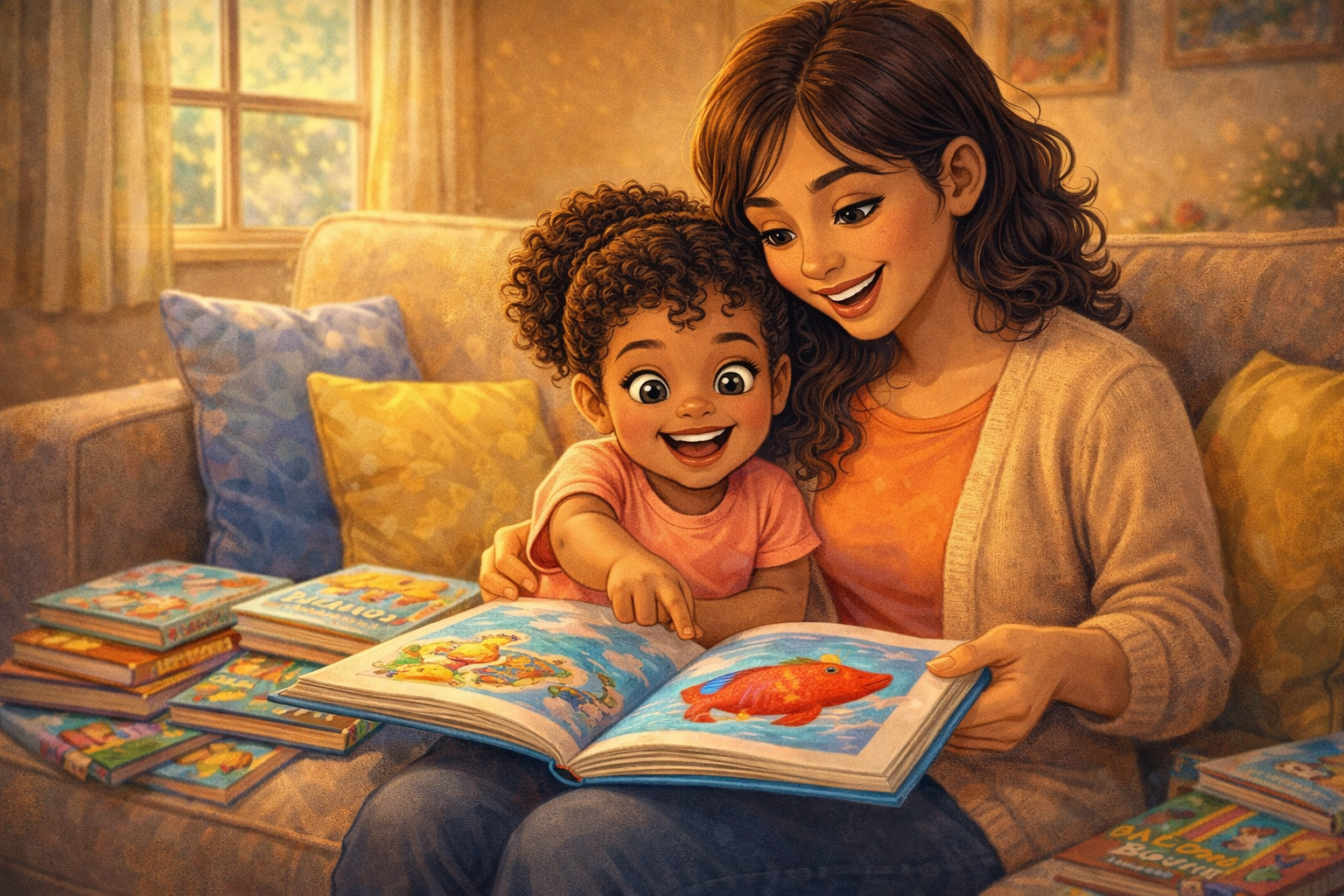
For reading for 4 year-olds and younger preschoolers, the goal isn't independent reading yet—it's building a love of stories and developing pre-reading skills. This means the best preschool reading books are ones that invite interaction: pointing to pictures, predicting what happens next, making connections to their own lives, and eventually recognizing repeated words or phrases.
How to Choose Age-Appropriate Books for Preschoolers
Not all books marketed for "ages 3-5" are created equal. Here's how to evaluate whether a book is truly right for your preschooler's current stage:
For 3-Year-Olds: Simple Stories with Repetition
Three-year-olds benefit most from:
- Predictable, repetitive text: Books with repeated phrases help children anticipate what comes next and eventually "read" along
- Clear, uncluttered illustrations: Too much visual detail can be overwhelming; simple, bold images work best
- Familiar topics: Daily routines, family, animals, and simple emotions resonate most
- Short length: 10-15 pages is ideal for maintaining attention
For 4-Year-Olds: More Complex Narratives
When selecting books for preschoolers to learn to read at age 4, look for:
- Simple plots with clear cause and effect: Stories where actions have consequences help develop logical thinking
- Rhyming text: Rhymes build phonological awareness, a critical pre-reading skill
- Relatable challenges: Stories about making friends, trying new things, or managing big feelings
- Slightly longer books: 20-30 pages with more text per page as attention spans grow
This is also the age when many children become fascinated by letters and their own name. Books that incorporate the child's name or interests—like personalized counting adventures or stories built around their favorite topics—can dramatically increase engagement and reading requests.
For 5-Year-Olds: Bridge to Independent Reading
Five-year-olds are often ready for:
- Early reader formats: Larger text, simple sentences, and supportive illustrations
- Chapter books with pictures: Very short chapters (2-3 pages) that build stamina
- Non-fiction topics: Books about dinosaurs, space, animals, or how things work
- Stories with more complex emotions: Jealousy, disappointment, pride, and empathy
Phonics vs. Whole Language: What Parents Need to Know
You've probably heard these terms thrown around, and the debate can feel intimidating. Here's the practical truth: both approaches have value, and the best preschool reading experience incorporates elements of each.
The Phonics Approach
Phonics teaches children to decode words by learning letter-sound relationships. Books designed for phonics instruction typically:
- Use decodable text (words that follow phonics rules the child has learned)
- Focus on specific sound patterns ("cat," "bat," "hat" for the -at family)
- Build systematically from simple to complex sounds
The strength of phonics is that it gives children tools to figure out unfamiliar words independently. The limitation is that early phonics books can feel stilted ("The cat sat on the mat") and less engaging than rich, literary stories.
The Whole Language Approach
Whole language emphasizes meaning-making and exposure to rich, authentic literature. These books:
- Use natural, flowing language and complex vocabulary
- Prioritize story quality and engagement over decodability
- Encourage children to use context clues and picture support
The strength is that children develop a love of reading and rich vocabulary. The limitation is that some children struggle to develop decoding skills without explicit phonics instruction.
The Balanced Approach for Home Reading
For 4 year old reading at home, the best strategy is variety:
- Include some phonics-based books if your child is showing interest in letters and sounds
- Prioritize engaging, well-written stories that your child actually wants to hear again and again
- Don't worry about decodability when reading aloud—exposure to rich language matters more
- Follow your child's interests—a book about their passion (dinosaurs, princesses, trucks) will always outperform a "perfect" phonics book they find boring
Creating a Reading-Rich Environment at Home
The books you choose matter, but the reading environment you create matters just as much. Here's how to build a home that nurtures early literacy:
Make Books Accessible and Personal
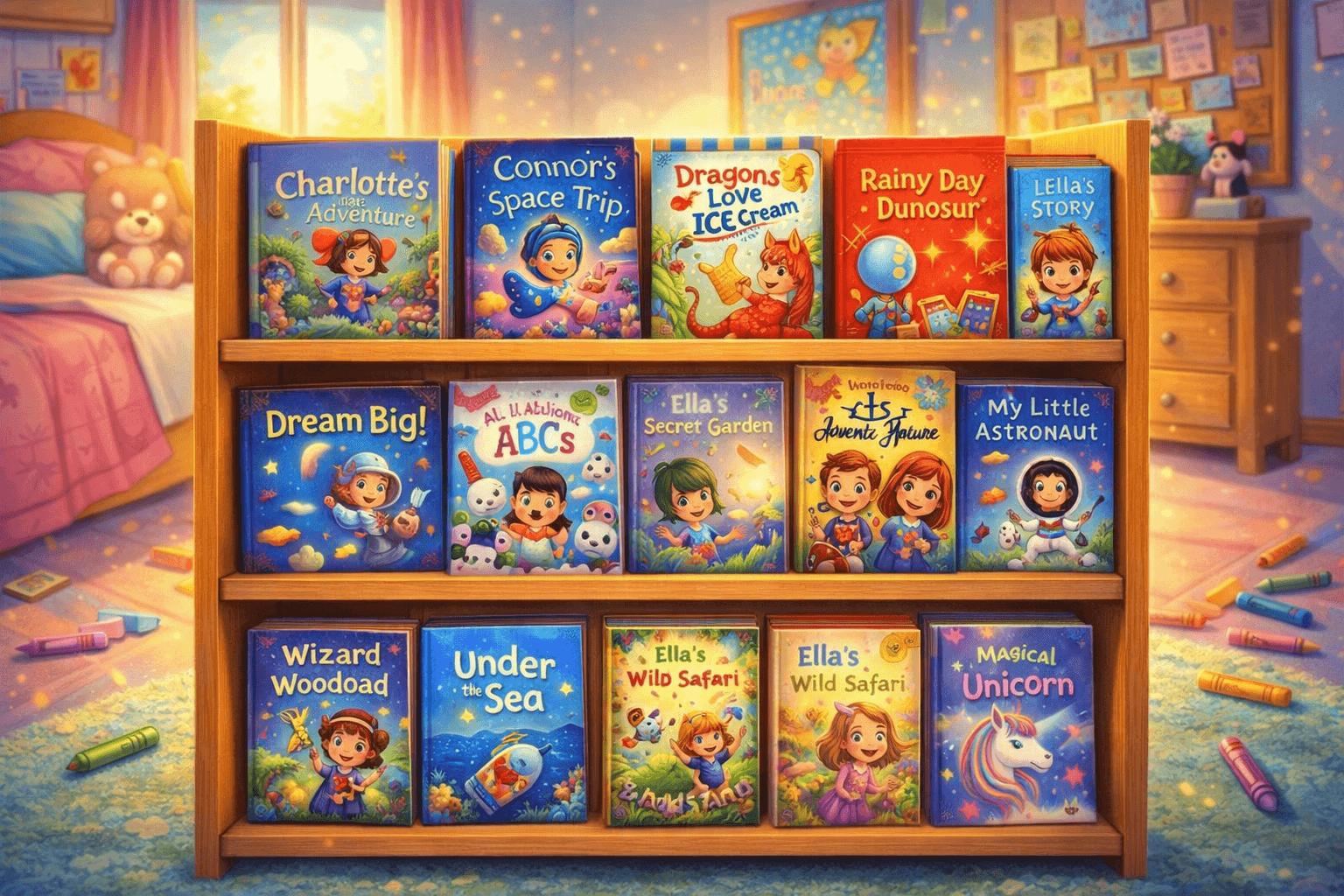
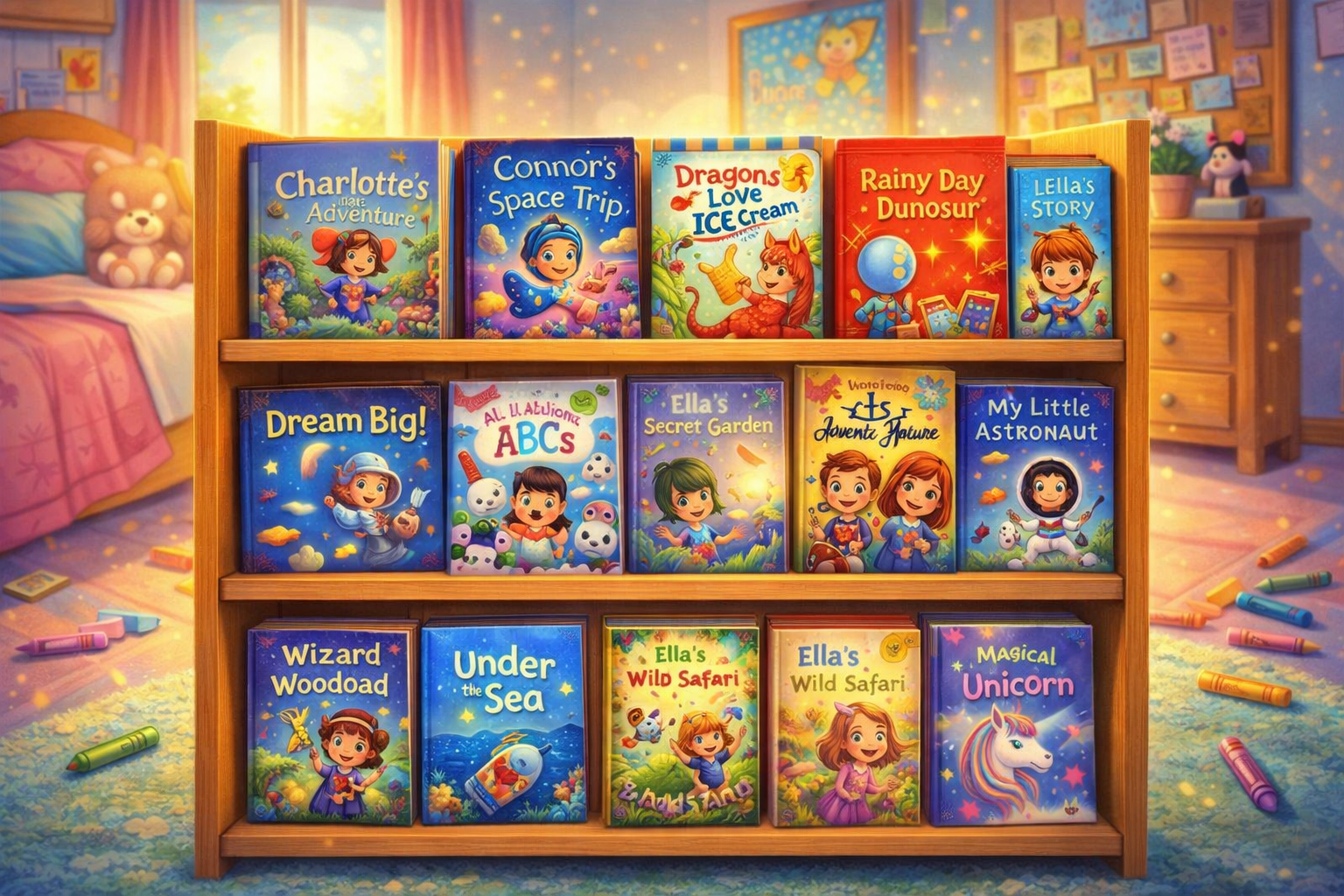
Children are more likely to engage with books when they can see and reach them independently. Create a book display area at your child's eye level—a forward-facing shelf or book bin works beautifully. Rotate books regularly to maintain interest, and include books that feel personally meaningful.
This is where personalized books shine. When a child has a story where they are the hero—like a first day of school adventure featuring their actual personality traits and interests—they request it over and over. Research shows that children request their favorite books an average of 47+ times, and books that feel personally relevant get requested even more frequently.
Establish Consistent Reading Routines
Reading doesn't have to be limited to bedtime (though bedtime stories are wonderful). Consider:
- Morning story time: A calm way to start the day
- After-lunch quiet reading: Perfect for winding down
- "Waiting" books: Keep a few books in the car or diaper bag for appointments
- Weekend library visits: Make choosing new books a special ritual
Read Interactively, Not Just Aloud
The most powerful reading experiences for preschoolers are interactive. Try these techniques:
- Ask predictive questions: "What do you think will happen next?"
- Make personal connections: "Remember when you felt nervous like this character?"
- Point to words occasionally: Help them understand that the text tells the story
- Let them "read" familiar books: Even if they're reciting from memory, this builds confidence
- Follow their lead: If they want to skip pages or talk about illustrations instead of reading text, that's okay—they're still engaging with the book
Your child could be the star of their own story
Personalized books with their name, their face, and the people they love. Preview it free — no payment needed.
Start a Free PreviewCurated Book Lists by Reading Stage
Here are specific recommendations organized by your child's current stage, not just age. Remember that children develop at different rates, so choose based on where your child is, not where you think they "should" be.
Pre-Reader Stage: Building Book Love (Typically Ages 2-4)
Focus: Books with rhythm, repetition, and engaging illustrations that invite interaction.
Classic recommendations:
- Brown Bear, Brown Bear, What Do You See? by Bill Martin Jr. — Perfect repetition and color recognition
- The Very Hungry Caterpillar by Eric Carle — Predictable structure with counting and days of the week
- Goodnight Moon by Margaret Wise Brown — Soothing rhythm ideal for bedtime
- Dear Zoo by Rod Campbell — Interactive lift-the-flap format
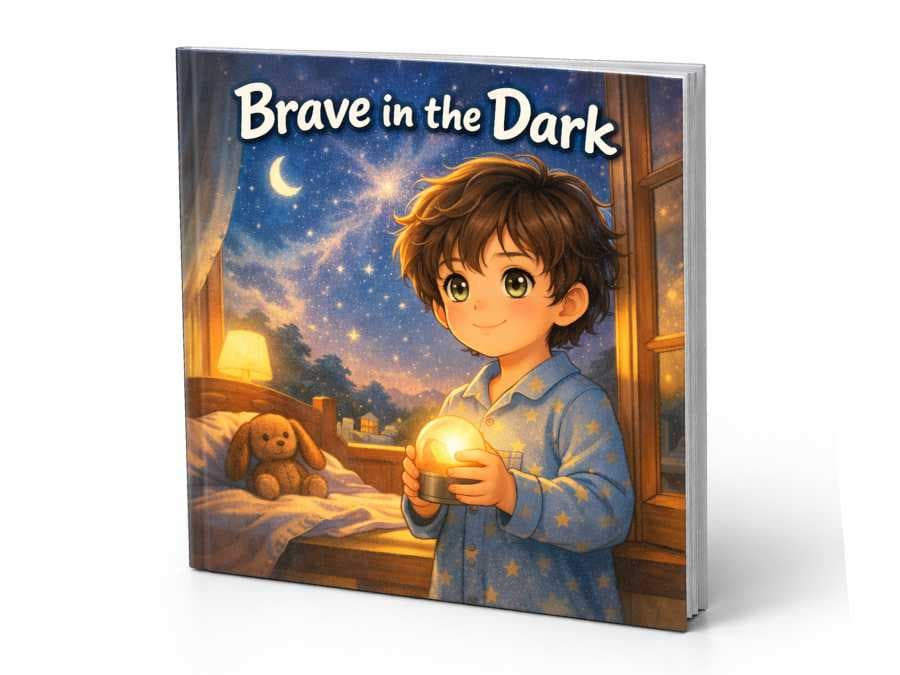
Why personalization works here: At this stage, children are just beginning to understand that they are separate individuals with their own preferences and characteristics. A book like Brave in the Dark, customized to address your specific child's nighttime worries and featuring their actual room details, can be incredibly powerful for building both reading engagement and emotional confidence.
Emergent Reader Stage: Recognizing Patterns (Typically Ages 4-5)
Focus: Books with rhyme, repeated phrases, and simple plots that children can begin to anticipate and "read" along with.
Classic recommendations:
- Chicka Chicka Boom Boom by Bill Martin Jr. — Alphabet learning with infectious rhythm
- Green Eggs and Ham by Dr. Seuss — Limited vocabulary with maximum repetition
- We're Going on a Bear Hunt by Michael Rosen — Call-and-response format perfect for participation
- The Gruffalo by Julia Donaldson — Rhyming text with a clever, satisfying plot
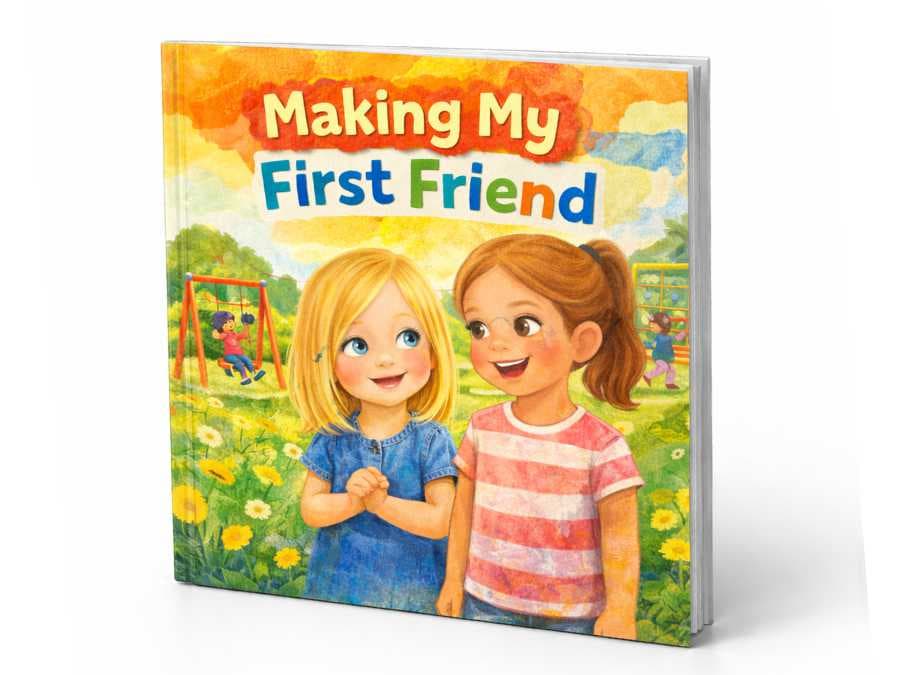
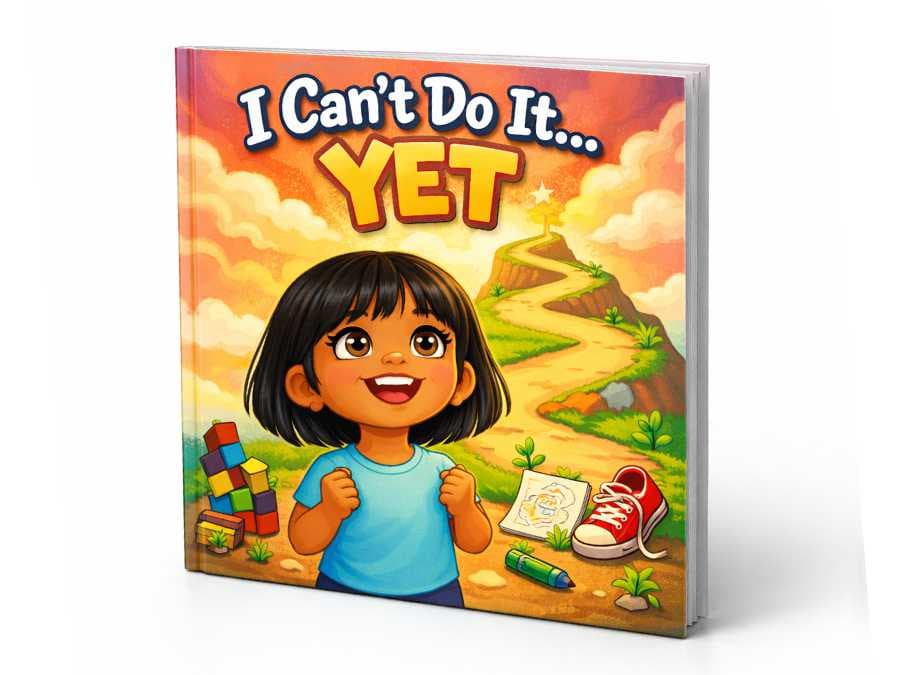
Why personalization works here: Four-year-olds are developing their sense of capability—"I can do it myself!" becomes a frequent refrain. Books that show them successfully navigating challenges—like learning to persist through difficulty or making their first friend—reinforce the growth mindset that will serve them throughout their reading journey.
Early Reader Stage: Beginning to Decode (Typically Ages 5-6)
Focus: Simple sentences, high-frequency sight words, and supportive illustrations that provide context clues.
Classic recommendations:
- Elephant and Piggie series by Mo Willems — Simple dialogue, expressive illustrations, genuine humor
- Bob Books series — Systematic phonics approach with very simple stories
- Biscuit series by Alyssa Satin Capucilli — Gentle stories with simple, repetitive text
- Pete the Cat series by Eric Litwin — Engaging stories with repeated phrases and positive messages
Why personalization works here: Early readers need massive amounts of practice, but they'll only practice with books they actually want to read. When a child has a story that's genuinely about them—their interests, their challenges, their victories—they'll request it repeatedly, getting that crucial practice without it feeling like work.
Special Considerations: Diversity, Representation, and the Mirror Effect
One of the most important factors in choosing preschool reading books is representation. Research consistently shows that children need both "mirrors" (books that reflect their own identity and experience) and "windows" (books that show them different perspectives and experiences).
During the preschool years, children are forming their understanding of who they are and where they fit in the world. Books that show characters who look like them, live in families like theirs, and face similar challenges send a powerful message: "You belong in stories. You matter."
When choosing books, consider:
- Physical representation: Does your child see characters who share their race, ethnicity, or physical characteristics?
- Family structure: Are different family configurations (single parents, same-sex parents, grandparents, blended families) represented?
- Ability and neurodiversity: Do books show children with different abilities and ways of experiencing the world?
- Cultural traditions: Are your family's cultural practices and celebrations reflected?
This is one reason why truly personalized books—not just template books with a name inserted, but stories genuinely built around your specific child—can be so impactful. When you create a personalized book that incorporates your child's actual appearance, personality traits, interests, and family context, you're giving them a mirror that reflects them back with remarkable accuracy.
Common Questions Parents Ask About Preschool Reading
Should I worry if my 4-year-old isn't reading yet?
No. Reading readiness varies enormously, and the typical age range for beginning to read is anywhere from 4 to 7 years old. What matters most during the preschool years is developing a love of books and building pre-reading skills like phonological awareness, print awareness, and vocabulary. If your child enjoys being read to, can retell simple stories, and is beginning to recognize some letters, they're right on track.
How many books should I read to my preschooler each day?
Quality matters more than quantity. Even one book read with full engagement and interaction is more valuable than five books rushed through at bedtime. That said, the American Academy of Pediatrics recommends reading together daily, and many literacy experts suggest 15-20 minutes of reading time. For most preschoolers, this translates to 2-4 books, depending on length.
Is it okay if my child wants to read the same book over and over?
Absolutely! Repetition is how young children learn. Each time they hear a familiar story, they're noticing new details, predicting what comes next, and building comprehension skills. If your child requests the same book 20 times in a row, that's a sign of deep engagement, not something to discourage. This is also why having books that truly resonate with your child—whether that's a beloved library book or a personalized story that features them as the hero—is so valuable.
Building Readers Who Love Reading
The best books for preschoolers learning to read aren't necessarily the ones with the most sophisticated phonics instruction or the most awards on the cover. They're the books your child asks for again and again—the ones that make them laugh, help them feel brave, or show them a character they recognize and love.
As you build your home library, prioritize variety: books with rhyme and books with rich vocabulary, silly stories and serious ones, familiar topics and new perspectives. Include books that reflect your child back to themselves and books that open windows to different experiences. And remember that the most important ingredient isn't the books themselves—it's the warm, connected time you spend reading together.
Whether you're curling up with a classic from the library or sharing a personalized adventure where your child is the star, you're doing more than teaching reading skills. You're building a reader who believes that books are for them, that stories matter, and that they have a place in the world of words. And that foundation will serve them for a lifetime.