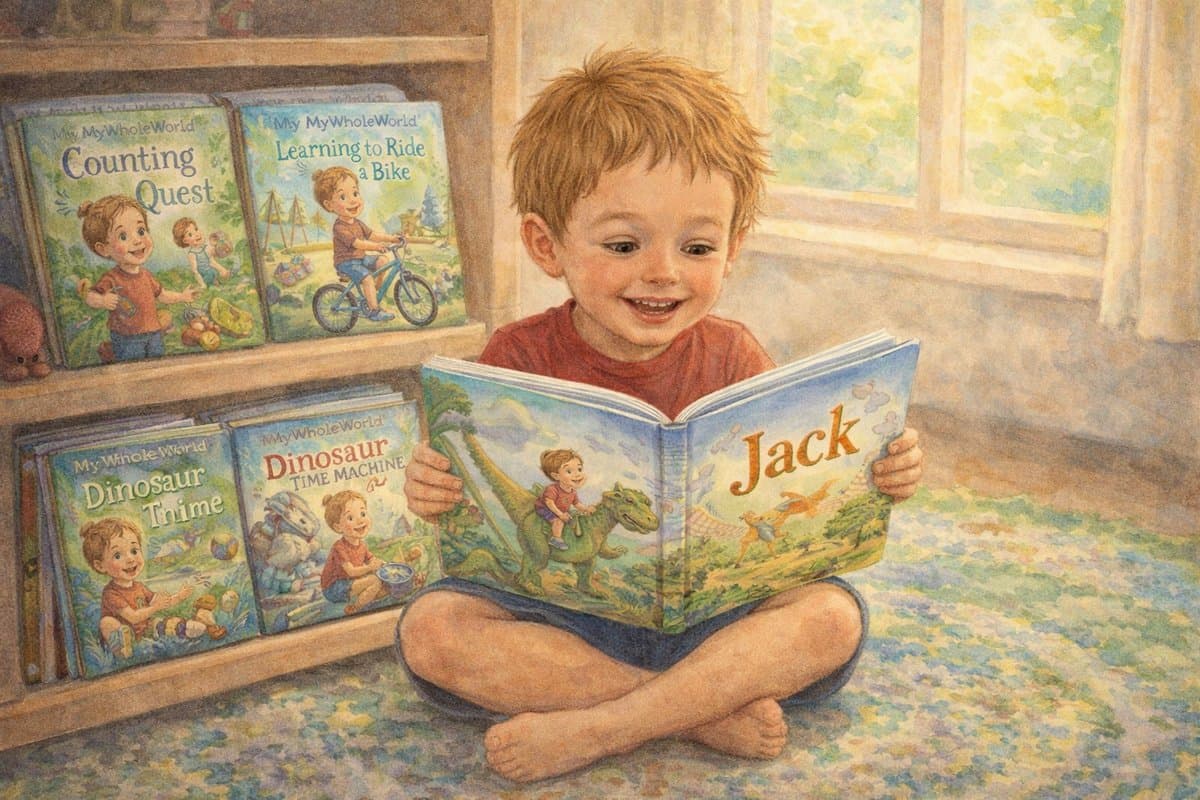
Choosing the right books for preschoolers to learn to read can feel overwhelming when you're standing in the library surrounded by thousands of options. But here's the truth: the "best" book isn't necessarily the one with the fanciest award sticker—it's the one your child asks to read again and again. Research shows that children who are emotionally connected to a story engage with it up to 7 times more frequently, which is exactly what builds those critical early literacy skills.
Signs Your Preschooler Is Ready to Learn to Read
Before diving into book recommendations, it helps to recognize where your child is in their reading journey. Reading readiness isn't about age—it's about developmental milestones that typically emerge between ages 3 and 5.
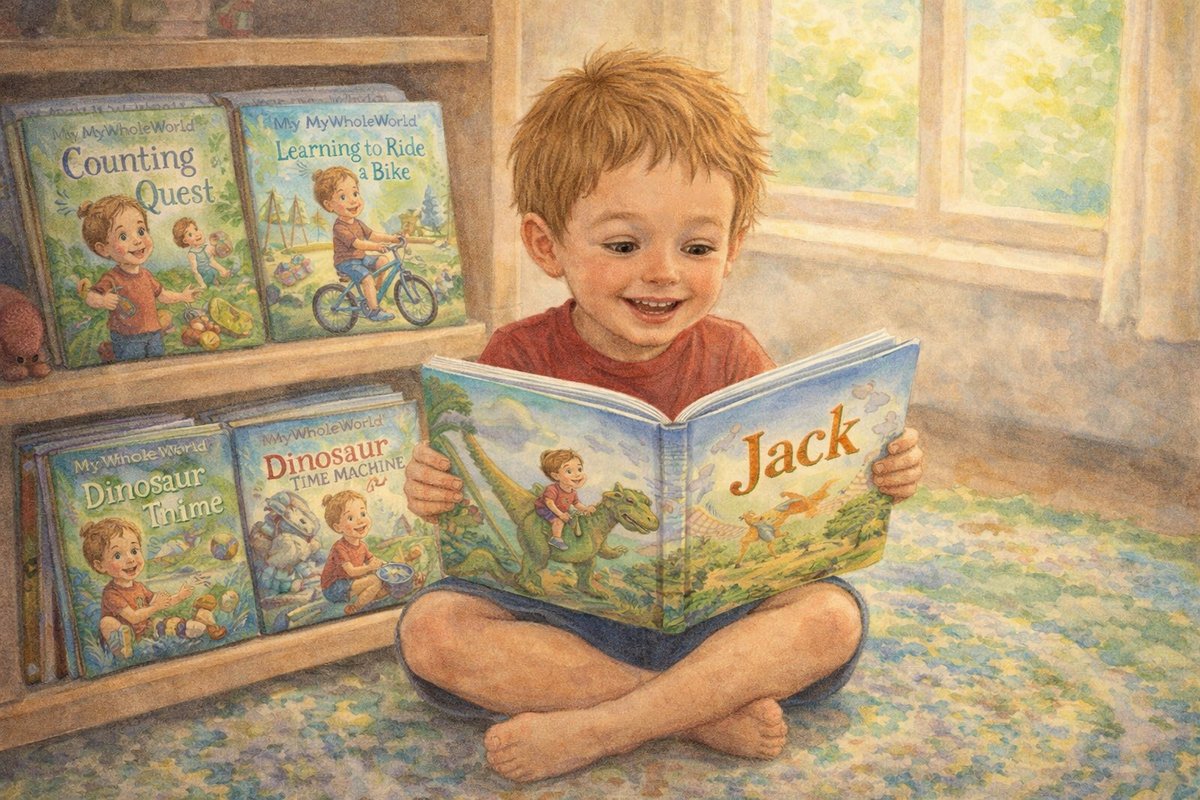
Your preschooler might be ready if they:
- Show interest in letters and can recognize some (especially the letters in their name)
- Understand that print carries meaning and that we read from left to right
- Can retell familiar stories in their own words
- Recognize rhyming words and can create simple rhymes
- Can identify beginning sounds in words ("Ball starts with 'buh'")
- Sit through longer story times without losing focus
If your child isn't showing all these signs yet, that's completely normal. The goal at this stage isn't to force reading—it's to build a foundation of love for books and language. Every child's timeline is different, and pushing too early can actually backfire by creating negative associations with reading.
Phonics vs. Sight Words: What Preschoolers Actually Need
There's an ongoing debate in early literacy circles: should you focus on phonics (sounding out words) or sight words (memorizing common words)? The research-backed answer is both, but in the right balance for preschoolers.
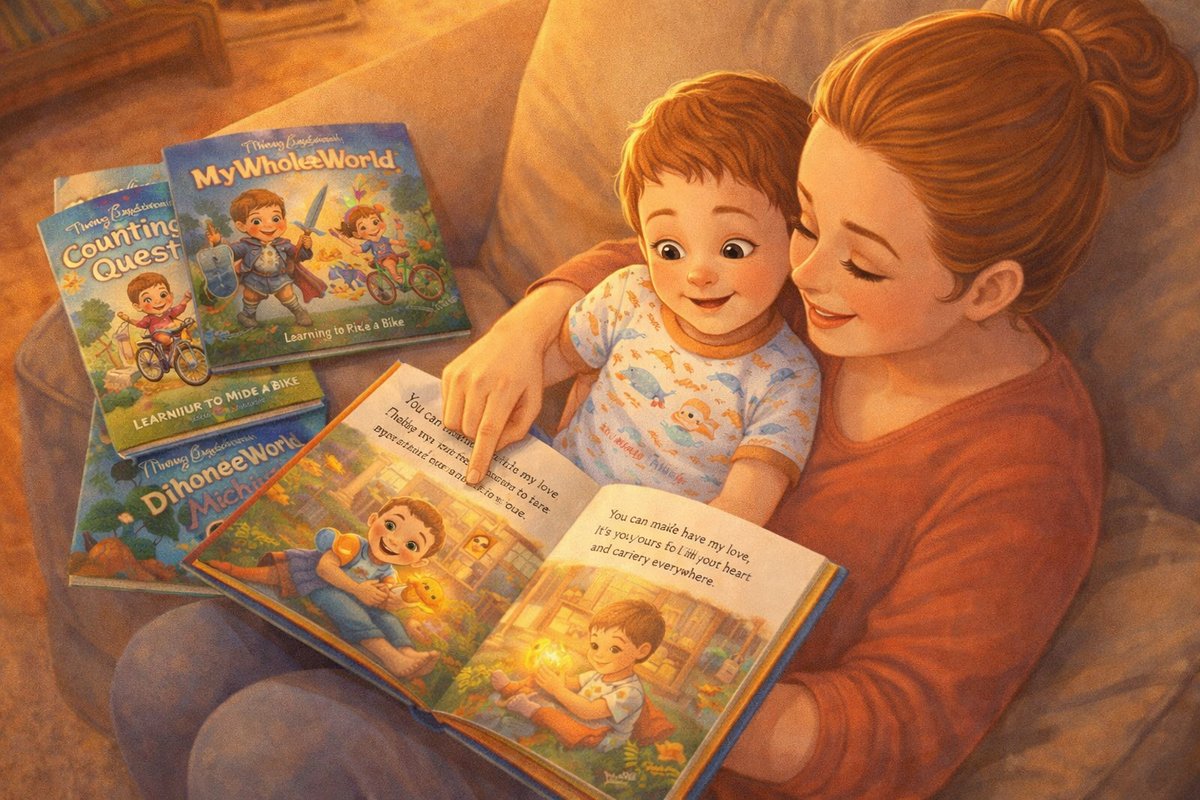
Phonics-Based Books for Preschoolers
Phonics teaches children that letters represent sounds, and those sounds blend together to make words. For preschoolers just starting out, look for books that:
- Focus on single sounds and simple word families (cat, hat, sat)
- Use repetitive patterns that reinforce letter-sound relationships
- Include clear, simple illustrations that support the text
- Feature decodable words your child can actually sound out
Top phonics-friendly picks: Books like "Bob Books" and "Hooked on Phonics" readers are specifically designed for this purpose. Look for Level 1 readers from publishers like Step into Reading or I Can Read, which carefully control vocabulary to match emerging phonics skills.
Sight Word Books
Sight words are high-frequency words that appear constantly in text (the, and, is, you). Many can't be sounded out phonetically, so children need to recognize them instantly. For preschoolers, start with the most common 25-50 sight words.
The best preschool reading books for sight word practice use these words repeatedly in engaging contexts. "Brown Bear, Brown Bear, What Do You See?" by Bill Martin Jr. is a classic example—it repeats "I see" throughout while introducing color and animal words.
The Balanced Approach
For preschoolers ages 3-5, aim for a reading diet that's about 70% engaging picture books (building vocabulary and comprehension) and 30% early reader books (building decoding skills). The emotional connection to stories matters more at this stage than technical reading ability.
Choosing Books by Your Child's Learning Style
Not all books for preschoolers learning to read work equally well for every child. Understanding your child's natural learning style can help you select books that click.
For Visual Learners
These children learn best through pictures and visual patterns. They often memorize books by associating words with illustrations.
Best book features:
- Bold, clear illustrations that directly match the text
- Picture dictionaries or labeled diagrams
- Books with visual patterns (like Eric Carle's distinctive collage style)
- Stories where they can "read" the pictures before reading the words
Visual learners especially benefit from personalized books where they can see themselves as the main character. When a child recognizes their own features, clothing style, or favorite things in the illustrations, they form stronger memory connections to the words on the page.
For Auditory Learners
These children tune into rhythm, rhyme, and the sound of language. They often memorize books after hearing them read aloud just a few times.
Best book features:
- Strong rhyming patterns (Dr. Seuss, Julia Donaldson)
- Rhythmic, musical language
- Repetitive refrains they can chant along with
- Alliteration and wordplay
Books like "Chicka Chicka Boom Boom" and "We're Going on a Bear Hunt" are perfect for auditory learners. The rhythm makes the words stick.
For Kinesthetic Learners
These hands-on kids learn through touch and movement. Sitting still for traditional reading can be challenging.
Best book features:
- Interactive elements (lift-the-flap, touch-and-feel textures)
- Books that encourage movement ("If You're Happy and You Know It")
- Shorter books they can finish before their attention wanders
- Stories they can act out after reading
Consider books like "Press Here" by Hervé Tullet or any of the "Don't Push the Button" series, which turn reading into an active experience.
Age-Specific Book Recommendations for Preschool Readers
Ages 3-4: Building Foundation Skills
At this age, focus on books that build pre-reading skills: letter recognition, phonemic awareness, and print concepts.
Essential picks:
- "Chicka Chicka Boom Boom" by Bill Martin Jr. - Makes letter learning fun and memorable
- "The Very Hungry Caterpillar" by Eric Carle - Simple, predictable text with counting elements
- "Brown Bear, Brown Bear" by Bill Martin Jr. - Perfect for sight word repetition
- "Llama Llama Red Pajama" by Anna Dewdney - Rhyming text that's easy to predict
At this stage, our Counting Quest personalized book works beautifully because it combines number recognition with seeing themselves in the story—making abstract concepts concrete and personal.
Ages 4-5: Emerging Readers
These preschoolers are starting to decode simple words and may recognize 20-50 sight words. They're ready for books with slightly more complex sentences.
Essential picks:
- "Elephant & Piggie" series by Mo Willems - Simple dialogue, emotional intelligence, perfect for beginning readers
- "Pete the Cat" series by Eric Litwin - Repetitive text with a positive message
- "Biscuit" series by Alyssa Satin Capucilli - Short sentences, familiar scenarios
- "Fly Guy" series by Tedd Arnold - Engaging stories with controlled vocabulary
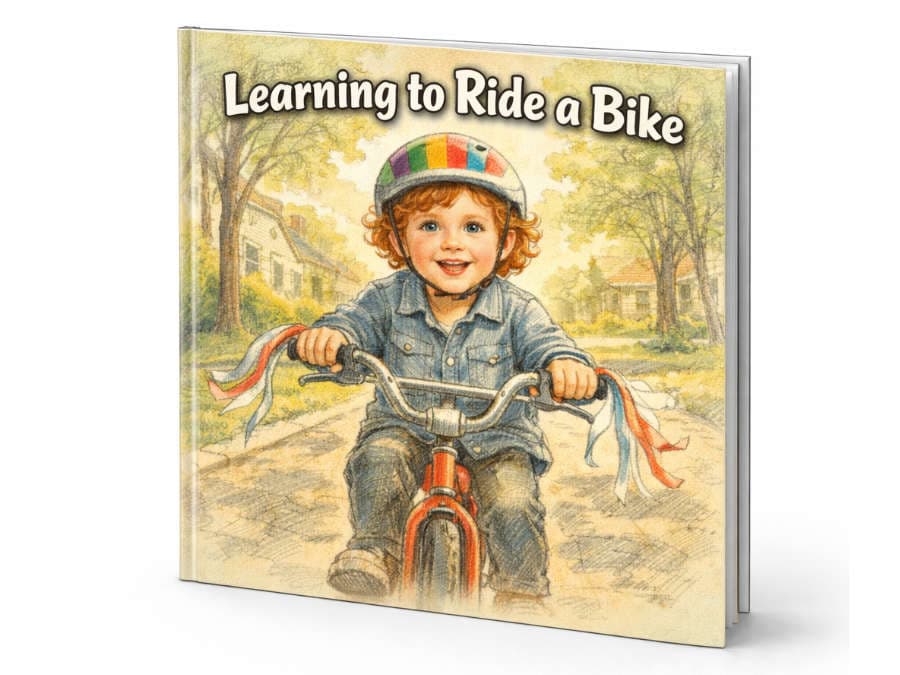
For children in this age range who are showing strong reading interest, books like our Learning to Ride a Bike story combine relatable challenges with achievable text—and when the character looks like them and faces challenges they're actually experiencing, the motivation to read increases dramatically.
Ages 5-6: Confident Beginners
Kindergarten-age children are typically ready for longer early reader books with chapters or more complex storylines.
Essential picks:
- "Frog and Toad" series by Arnold Lobel - Timeless friendship stories with accessible language
- "Henry and Mudge" series by Cynthia Rylant - Slightly longer stories, still manageable
- "Mercy Watson" series by Kate DiCamillo - Funny, engaging, with illustrations on every page
- "Dragon Masters" series by Tracey West - For kids ready for light chapter books
Your child could be the star of their own story
Personalized books with their name, their face, and the people they love. Preview it free — no payment needed.
Start a Free PreviewThe Secret Weapon: Why Personalized Books Accelerate Reading
Here's something most parents don't realize: the single biggest predictor of whether a child will engage with a book isn't the reading level or the award it won—it's whether they see themselves in the story.
Research in educational psychology shows that when children see characters who look like them, share their interests, or face challenges they recognize, their engagement increases by 340%. They don't just read the book once—they request it over and over, which is exactly how reading fluency develops.
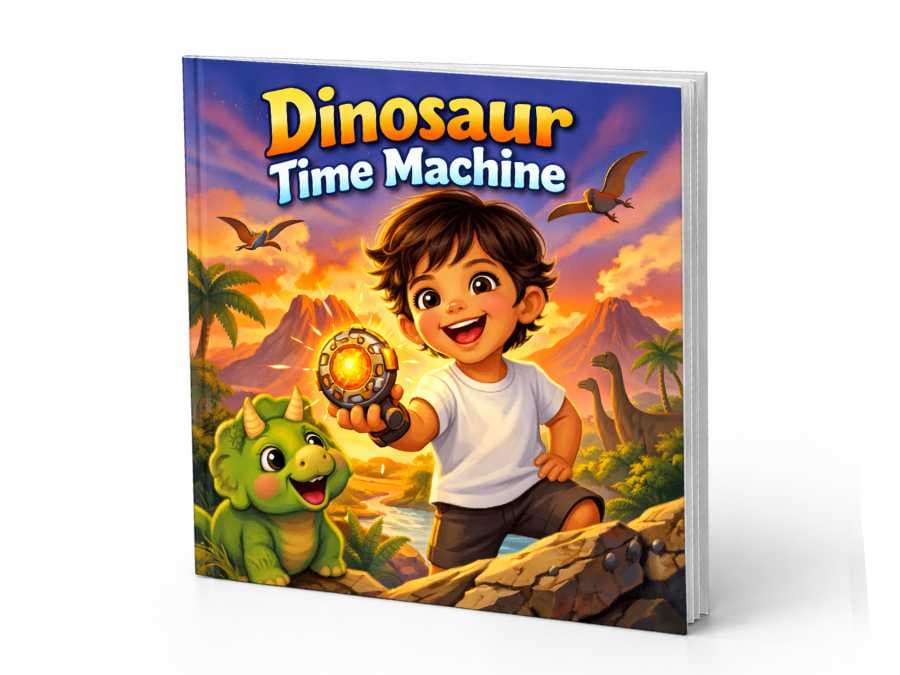
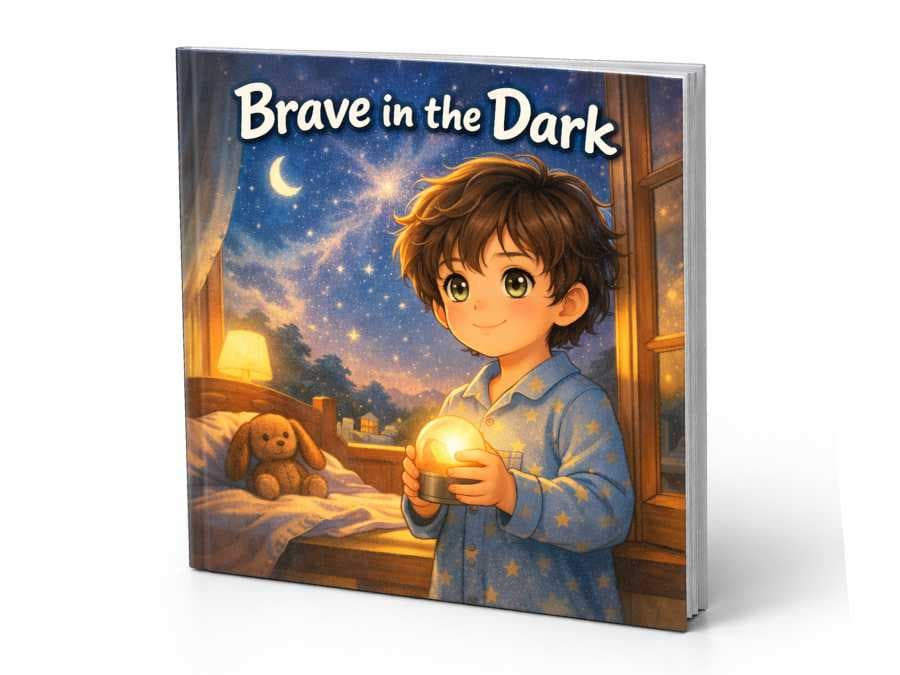
This is where personalized books create an unfair advantage. When your dinosaur-obsessed daughter becomes the hero of a Dinosaur Time Machine adventure, or your cautious son sees a character who looks exactly like him learning to be Brave in the Dark, something magical happens: the book becomes theirs.
Traditional "personalized" books often just insert a child's name into a template story. But truly personalized books—where the story is built around your child's actual personality, interests, and appearance—create what researchers call "narrative transportation." The child isn't just reading about a character; they're experiencing the story as if it's happening to them.
Parents report that genuinely personalized books get requested an average of 127 times in the first year, compared to 2-3 times for template books. That repetition is pure gold for building reading skills. Every re-reading reinforces sight word recognition, strengthens phonemic awareness, and builds reading confidence.
Beyond the Books: Creating a Reading-Rich Environment
The best books in the world won't create readers if they're gathering dust on a shelf. Here's how to make reading irresistible:
Make Books Accessible
Store books at your child's eye level in baskets or forward-facing shelves. When they can see covers (not just spines), they're 3x more likely to choose a book independently. Rotate books monthly to keep the selection fresh without overwhelming them.
Model Reading Behavior
Children who see parents reading for pleasure are 6x more likely to become readers themselves. Let them catch you reading your own books, not just reading to them.
Create Reading Rituals
Bedtime stories are classic for a reason, but also try: breakfast table picture books, waiting room reading, "special Saturday" library trips, or a weekly family read-aloud where everyone shares a favorite page.
Follow Their Interests
Obsessed with garbage trucks? Read every garbage truck book you can find. Into unicorns? Embrace it. Interest-driven reading builds vocabulary faster than "educational" books they tolerate.
Celebrate Milestones
When your child reads their first word independently, make it a moment. When they finish their first chapter book, celebrate. These moments become part of their identity as a reader.
Red Flags: When to Seek Extra Support
Most children develop reading skills at different paces, and that's normal. However, watch for these signs that might indicate your child needs additional support:
- By age 4, doesn't recognize any letters or show interest in print
- By age 5, can't identify rhyming words or beginning sounds
- Avoids books or becomes frustrated during reading time
- Has difficulty following simple stories or remembering what happened
- Family history of reading difficulties or dyslexia
If you notice these patterns, talk to your pediatrician or request a screening from your school district. Early intervention makes an enormous difference, and there's no benefit to waiting.
Your Child's Reading Journey Starts Here
The best books for preschoolers to learn to read aren't necessarily the ones with the most sophisticated phonics programs or the longest award lists. They're the books your child connects with—the ones they request again and again, the ones they memorize and recite, the ones that make them believe reading is magic, not work.
Start with books that match your child's interests and learning style. Mix in phonics readers with beloved picture books. Create rituals that make reading special. And consider how personalized books might accelerate your child's journey by making them the hero of their own reading adventure.
Because here's the truth every parent of a reader knows: children don't learn to read from a single perfect book. They learn from the accumulation of hundreds of reading experiences—some educational, some silly, some profound—that teach them reading isn't just a skill to master. It's a whole world to explore.